Overview of the Incident
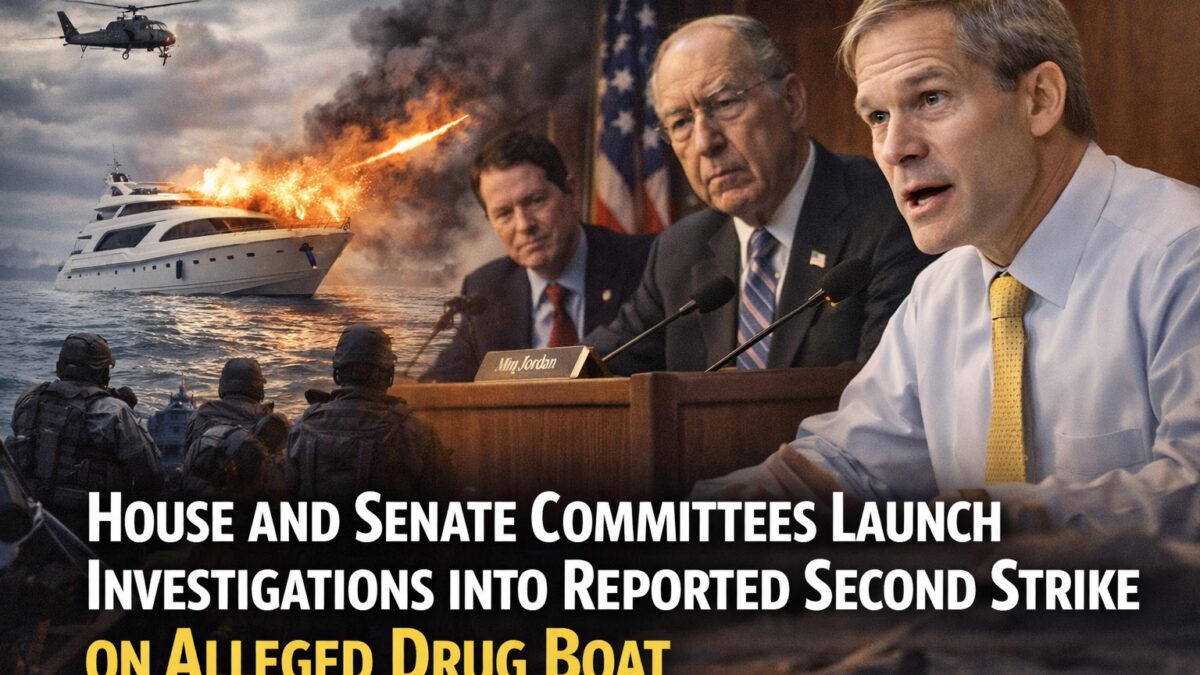
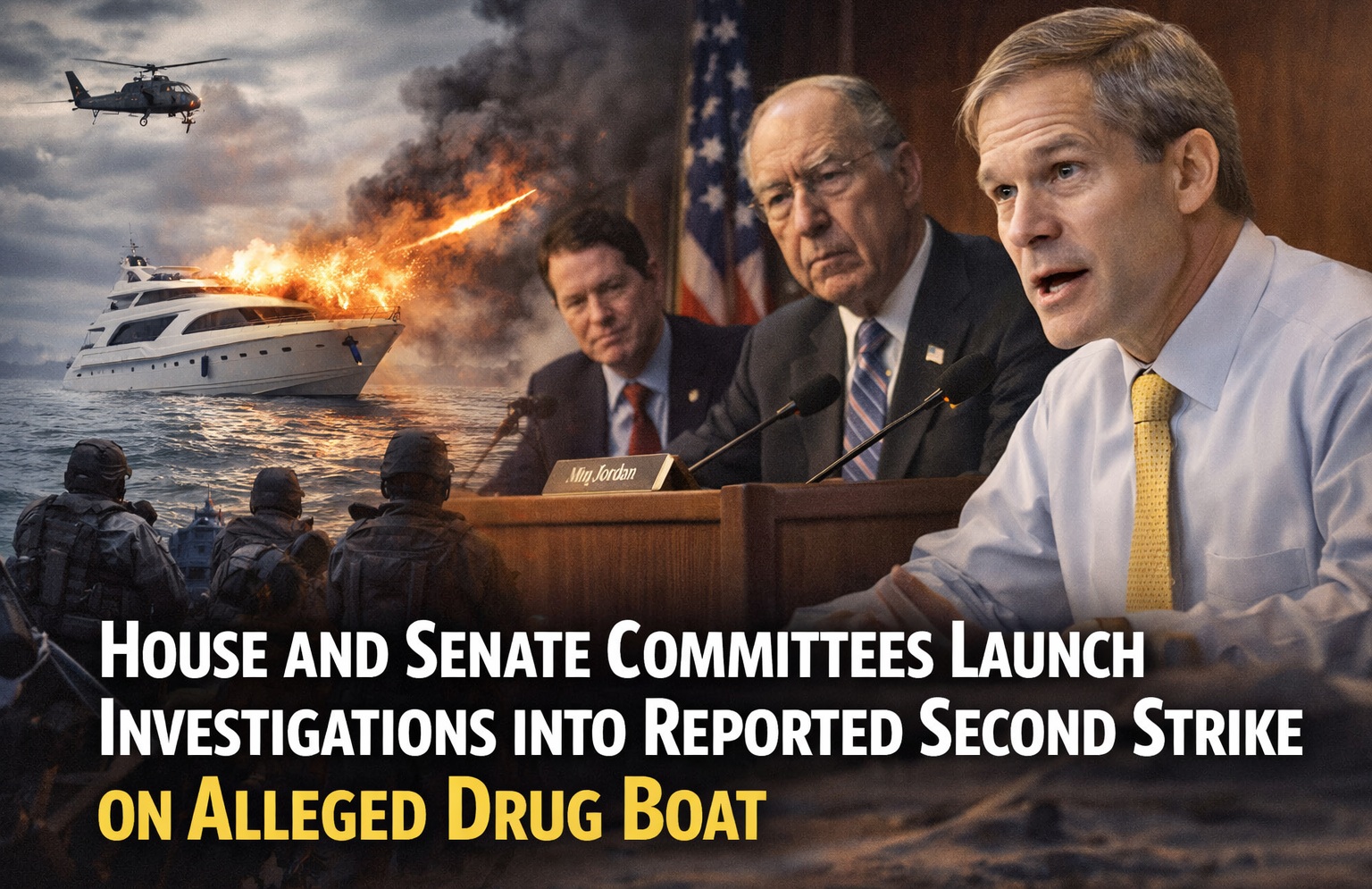
In a significant development with potential national security implications, House and Senate committees have initiated formal inquiries following reports of a second strike on an alleged drug boat operating in international waters. The incident, which occurred within the last 24 hours, has raised numerous questions regarding the legality, operational procedures, and intelligence accuracy surrounding maritime interdiction efforts targeting illicit drug trafficking.
Related: How Belgium Became Russia’s Most Valuable Asset
Related: In tight Tennessee congressional race, Republican Matt Van Epps pulls out victory
Related: How Belgium Became Russia’s Most Valuable Asset
Officials from both chambers of Congress are seeking detailed briefings and documentation from relevant federal agencies, including the Department of Defense, the Department of Homeland Security, and the Drug Enforcement Administration. The inquiries aim to shed light on the circumstances leading to the reported strike, the intelligence foundation behind the operation, and any potential collateral impacts.
Background and Context
Drug trafficking via maritime routes remains a persistent challenge for U.S. and international law enforcement. Smugglers increasingly exploit remote oceanic corridors to move narcotics, often using fast boats and semi-submersibles to evade detection. The U.S. Coast Guard, Navy, and allied partners conduct interdiction operations aimed at disrupting these networks.
The reported second strike follows an initial operation earlier this year that targeted a similar vessel believed to be carrying illicit narcotics. The renewed action suggests ongoing surveillance and engagement efforts but also raises concerns about intelligence reliability and the rules of engagement governing such maritime operations.
Details of the Reported Second Strike
While official statements remain limited pending the congressional investigations, multiple sources indicate that the second strike involved the use of naval assets to disable a vessel suspected of drug trafficking. The operation reportedly took place in international waters near a known trafficking corridor.
The strike aimed to neutralize the vessel without endangering crew lives, but details regarding the extent of damage, the fate of those aboard, and the quantity of narcotics seized or destroyed have not yet been disclosed. Congressional committees are particularly interested in assessing whether the operation complied with international maritime law and U.S. policies.
Congressional Inquiries: Scope and Objectives
Both the House Committee on Homeland Security and the Senate Committee on Armed Services have announced parallel investigations. Their objectives include:
- Evaluating the intelligence that led to the strike to determine accuracy and reliability.
- Reviewing the operational protocols, including rules of engagement and risk mitigation strategies.
- Assessing coordination among federal agencies and international partners.
- Determining compliance with domestic and international laws governing maritime interdiction.
- Understanding the broader implications for U.S. drug interdiction policy and maritime security.
Committee members have requested classified and unclassified briefings and are planning hearings with senior officials. These inquiries are expected to inform potential legislative or oversight actions to enhance accountability and operational effectiveness.
Implications for National Security and Drug Policy
The reported second strike underscores the ongoing challenges in countering transnational drug trafficking, which has broad ramifications for public health, security, and law enforcement. The operational complexities of maritime interdiction involve balancing aggressive action against trafficking vessels with respect for international norms and human rights.
Effective interdiction disrupts supply chains, but missteps can have diplomatic repercussions and complicate cooperation with regional partners. The congressional inquiries may lead to recommendations for improved intelligence sharing, enhanced operational guidelines, and investment in maritime surveillance technologies.
Impact on U.S. Drug Enforcement Strategies
The incident highlights the evolving tactics of traffickers and the need for adaptive enforcement strategies. Lawmakers may consider how interdiction fits within a comprehensive approach that includes demand reduction, border security, and international collaboration.
Furthermore, transparency about such operations can affect public confidence in government efforts to combat drug trafficking while maintaining ethical standards.
Expert Insights
Industry and security experts emphasize the complexity of maritime drug interdiction. According to generalized commentary from analysts familiar with maritime security:
- Intelligence Coordination: Successful interdiction relies heavily on accurate, timely intelligence. Multi-agency information sharing is critical but often challenged by bureaucratic silos.
- Operational Challenges: Strikes on vessels must be carefully calibrated to avoid unintended casualties or escalation, particularly in international waters where sovereignty issues arise.
- Legal Frameworks: Compliance with international maritime law, including the United Nations Convention on the Law of the Sea (UNCLOS), is essential to maintain legitimacy and uphold diplomatic relations.
- Technological Advancements: Emerging technologies such as enhanced radar, drones, and satellite surveillance improve detection and tracking but require investment and integration.
- Policy Integration: Maritime interdiction should be one component of a holistic drug enforcement strategy that addresses root causes and demand-side factors.
Experts caution that congressional oversight plays a vital role in ensuring these operations remain effective, lawful, and aligned with national interests.
Consumer and Public Impact
While the immediate effects of such strikes are often confined to law enforcement and national security domains, the broader public benefits from reduced drug availability and enhanced safety. Successful interdiction can contribute to lowering illicit drug distribution, thereby impacting community health and crime rates.
However, transparency and accountability are equally important to maintain public trust. Mismanagement or controversy surrounding such operations can erode confidence and fuel criticism of government agencies.
Forward-Looking Analysis
The ongoing congressional inquiries are likely to influence future policy and operational frameworks. Potential outcomes include:
- Refined guidelines for maritime interdiction operations to enhance effectiveness and reduce risk.
- Stronger interagency collaboration and intelligence sharing mechanisms.
- Increased funding for maritime surveillance and interdiction technologies.
- Enhanced diplomatic engagement with regional partners to support coordinated counter-narcotics efforts.
- Legislative oversight measures to ensure compliance with legal and ethical standards.
These developments will be closely monitored by stakeholders in law enforcement, national security, and public policy sectors.
Conclusion
The launch of House and Senate committee investigations into the reported second strike on an alleged drug boat marks a critical moment in the ongoing battle against maritime drug trafficking. These inquiries are essential to examine the operational, legal, and strategic dimensions of such actions, ensuring they align with U.S. laws and international norms.
As the investigations proceed, they will provide valuable insights that could shape future interdiction efforts, enhance national security, and contribute to a comprehensive approach to drug enforcement. Maintaining transparency, accountability, and interagency cooperation will be key to addressing the complex challenges posed by illicit maritime trafficking in the current year.
- Coast Guard Tracks Down Runaway Oil Tanker Linked to Iran and Venezuela

- Trump Rings in Christmas Day with Flurry of Posts Denouncing Perceived Foes and Casting Doubt on the 2020 Election

- Saudi Arabia Urges Yemen’s Separatists to Withdraw from Two Governorates Amid Coalition Strains

- House and Senate Committees Launch Investigations into Reported Second Strike on Alleged Drug Boat
- One Year On From Martial Law Crisis, South Korea Celebrates Its Democracy’s Resilience