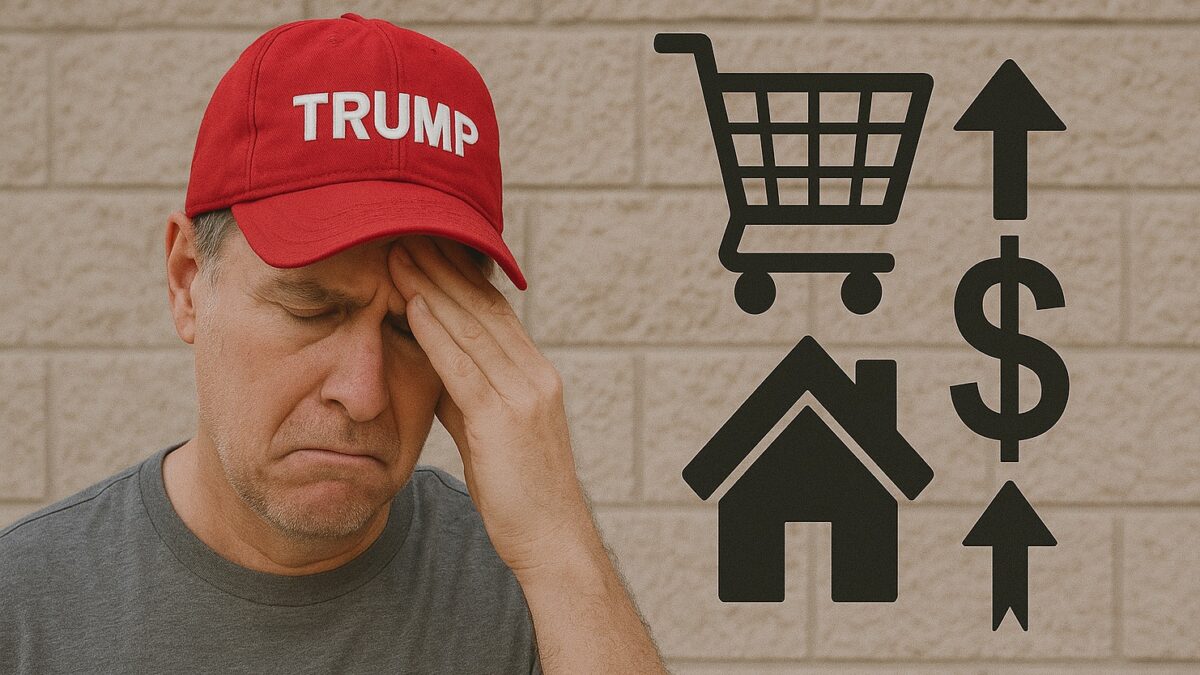
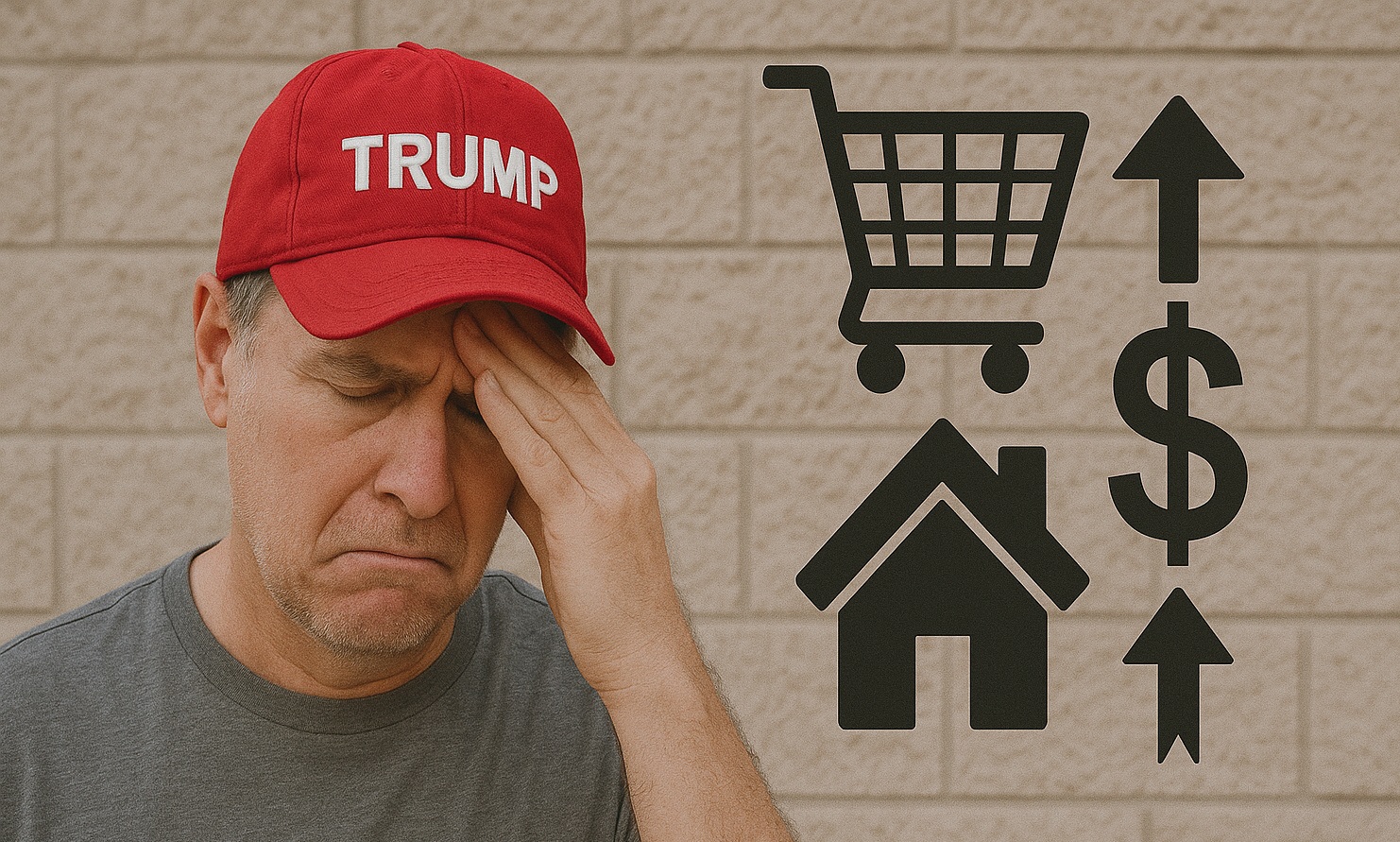
In a recent nationwide poll conducted by a reputable political news outlet, a notable shift has emerged among former President Donald Trump’s core supporters regarding the ongoing affordability crisis in the United States. For the first time, a significant segment of this voter base is attributing responsibility for rising living costs and economic strain directly to Trump’s policies and leadership. This development signals complex political and economic dynamics as the country grapples with persistent inflation, housing shortages, and wage stagnation in the current calendar year.
Related: How Belgium Became Russia’s Most Valuable Asset
Related: In tight Tennessee congressional race, Republican Matt Van Epps pulls out victory
Related: How Belgium Became Russia’s Most Valuable Asset
Background: The Affordability Crisis in the United States
The affordability crisis refers to the growing difficulty many Americans face in meeting essential expenses such as housing, healthcare, food, and energy. Despite fluctuations in the economy, inflation rates have remained relatively elevated, outpacing wage growth for many households. Housing prices and rent have surged in numerous metropolitan areas, while energy costs remain volatile amid global supply chain disruptions and geopolitical tensions.
This multifaceted crisis impacts millions of Americans across income brackets but disproportionately affects middle- and lower-income families. Policymakers and economists have debated the causes, ranging from supply chain constraints and fiscal policies to labor market shifts and international economic pressures.
Poll Findings: A Shift Among Trump Voters
The recently published poll highlights a distinct trend: among voters who supported Donald Trump in previous elections, an increasing portion now express frustration with his role in the affordability challenges. While Trump’s messaging historically emphasized economic growth and job creation, the current sentiment among his base reveals a nuanced reassessment of his economic legacy.
- Blame Attribution: Approximately one-third of surveyed Trump voters indicated they hold Trump accountable for policies that may have exacerbated inflation or contributed to economic instability.
- Policy Criticism: Respondents cited concerns about trade wars, regulatory decisions, and fiscal approaches taken during Trump’s administration as factors that led to persistent economic pressures.
- Contrast with Expectations: Many voters expressed disappointment that promised economic benefits did not materialize in tangible improvements in affordability for their households.
These findings suggest that political allegiance is increasingly influenced by personal economic experiences rather than traditional party loyalty alone.
Contextual Analysis: Factors Influencing Voter Sentiment
Several factors contribute to this evolving perception among Trump’s supporters:
- Inflation Impact: Inflation has been a persistent concern, with rising prices diminishing purchasing power. Policies enacted during Trump’s tenure are scrutinized for their long-term inflationary effects.
- Housing Market Trends: The housing affordability crisis intensified over recent years, with some attributing regulatory rollbacks and tax policies to increased market volatility.
- Energy Sector Volatility: Shifts in energy policy and international relations influenced fuel and utility prices, affecting household budgets nationwide.
- Global Economic Conditions: While domestic policies are central, global supply chain disruptions and geopolitical tensions also play significant roles.
Understanding how these elements interact helps explain why voters might reassess past political support based on economic realities they face today.
Implications for Political Landscape and Future Elections
The shift in voter attitudes toward Trump within his own base has critical implications for upcoming elections and political strategy. As affordability remains a defining issue for many Americans, candidates across the spectrum must address economic concerns credibly to maintain or build support.
Political analysts note that:
- Voter Priorities Evolving: Economic well-being increasingly drives voter decisions, potentially overriding traditional party affiliations or candidate loyalty.
- Policy Accountability: Politicians may face heightened scrutiny regarding their economic records and proposals to alleviate cost-of-living pressures.
- Campaign Messaging: Candidates might need to pivot toward practical affordability solutions and transparent policy discussions to resonate with skeptical voters.
This evolving dynamic could influence candidate platforms, voter turnout, and ultimately election outcomes.
Consumer Impact: What This Means for American Households
For everyday Americans, the affordability crisis translates to difficult financial choices, reduced discretionary spending, and heightened economic anxiety. The poll’s findings indicate that many consumers are not only feeling the pinch but are also critically evaluating the political decisions influencing their economic realities.
Key consumer impacts include:
- Budget Constraints: Rising costs force households to prioritize essentials over savings or investments.
- Debt Burden: Increased reliance on credit to cover daily expenses can lead to long-term financial instability.
- Employment Decisions: Wage stagnation relative to living costs may affect job satisfaction and labor market participation.
Understanding these challenges is vital for policymakers aiming to restore economic confidence and stability.
Expert Insights: Industry and Political Commentary
Economists and political analysts broadly agree that shifting voter sentiments reflect the complex interplay between policy decisions and economic outcomes. Experts emphasize:
- Policy Complexity: Economic challenges are rarely attributable to a single administration or policy set; rather, they arise from cumulative factors including global trends and domestic governance.
- Voter Pragmatism: Voters are increasingly pragmatic, evaluating political leaders based on tangible impacts rather than rhetoric alone.
- Need for Comprehensive Solutions: Addressing affordability requires coordinated efforts across housing, labor, energy, and fiscal policy domains.
Political strategists note that candidates who engage authentically with voter concerns and propose actionable economic reforms are more likely to regain trust and support.
Looking Ahead: Prospects for Policy and Political Change
As the affordability crisis persists, political leaders face mounting pressure to deliver effective solutions. The poll’s revelations about shifting Trump voter attitudes underscore the necessity for responsive governance and clear communication.
Potential developments in the near term include:
- Policy Reforms: Initiatives aimed at stabilizing housing markets, controlling inflation, and enhancing wage growth.
- Political Realignments: Possible shifts within voter coalitions as economic issues transcend traditional partisan divides.
- Enhanced Voter Engagement: Increased public demand for accountability and measurable economic progress.
How political figures respond to these challenges may shape the national economic and political climate for years to come.
Conclusion
The recent poll highlighting that a growing number of Donald Trump’s own voters are beginning to attribute the affordability crisis to his leadership marks a significant moment in American political discourse. This emerging discontent reflects broader economic hardships faced by millions and signals a potential shift in voter behavior driven by lived experiences rather than partisan loyalty.
Addressing the affordability crisis will require nuanced understanding, bipartisan cooperation, and pragmatic policy solutions. As the political landscape evolves, candidates and policymakers must prioritize economic stability and affordability to meet the urgent needs of the American public.
Ultimately, this development serves as a reminder that political accountability and economic realities are deeply intertwined, shaping the future of both governance and voter engagement in the current year.
- Los Gatos ‘Party Mom’ Who Supplied Teens With Alcohol and Pressured Them Faces Lengthy Jail Sentence

- Anti-AIPAC Group Faces Setback as Rep. Valerie Foushee Wins Primary Battle
- Texas Judge Declines to Close Camp Mystic but Bars Construction on Flood-Damaged Campus

- Netflix, After Walking Away From Warner Bros. Deal, Will Move Forward With $2.8 Billion Cash Reserve, CFO Says

- Democratic Rivals in Close Senate Primary Amid Texas Polling Confusion