
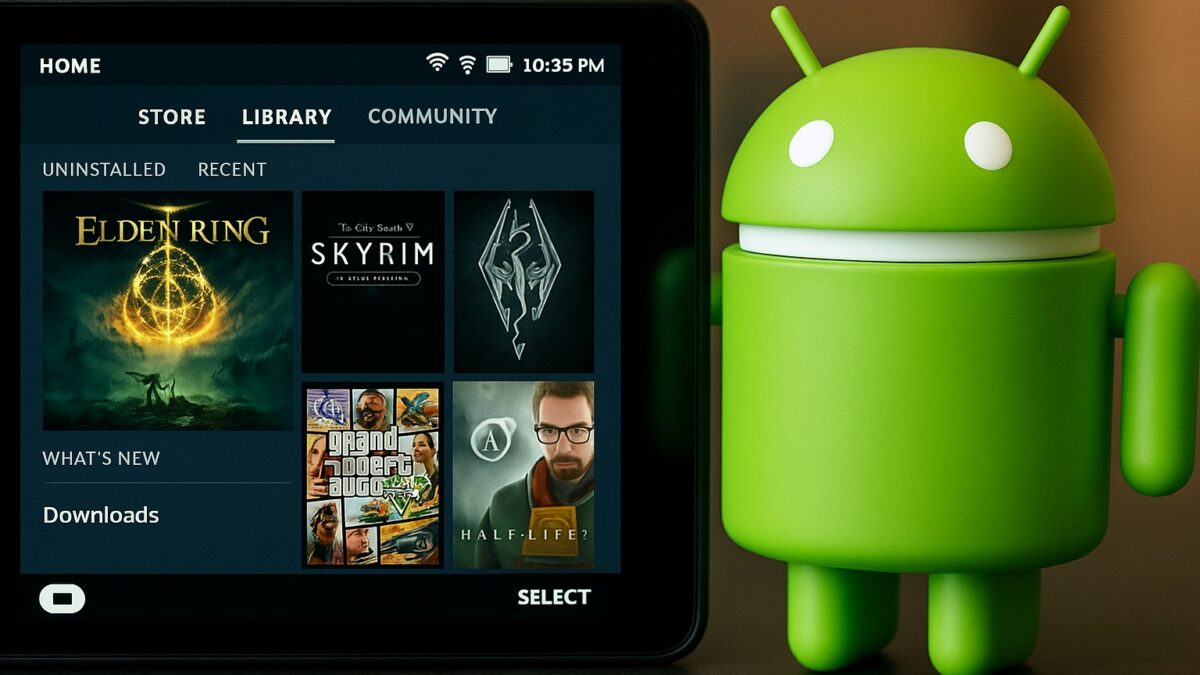
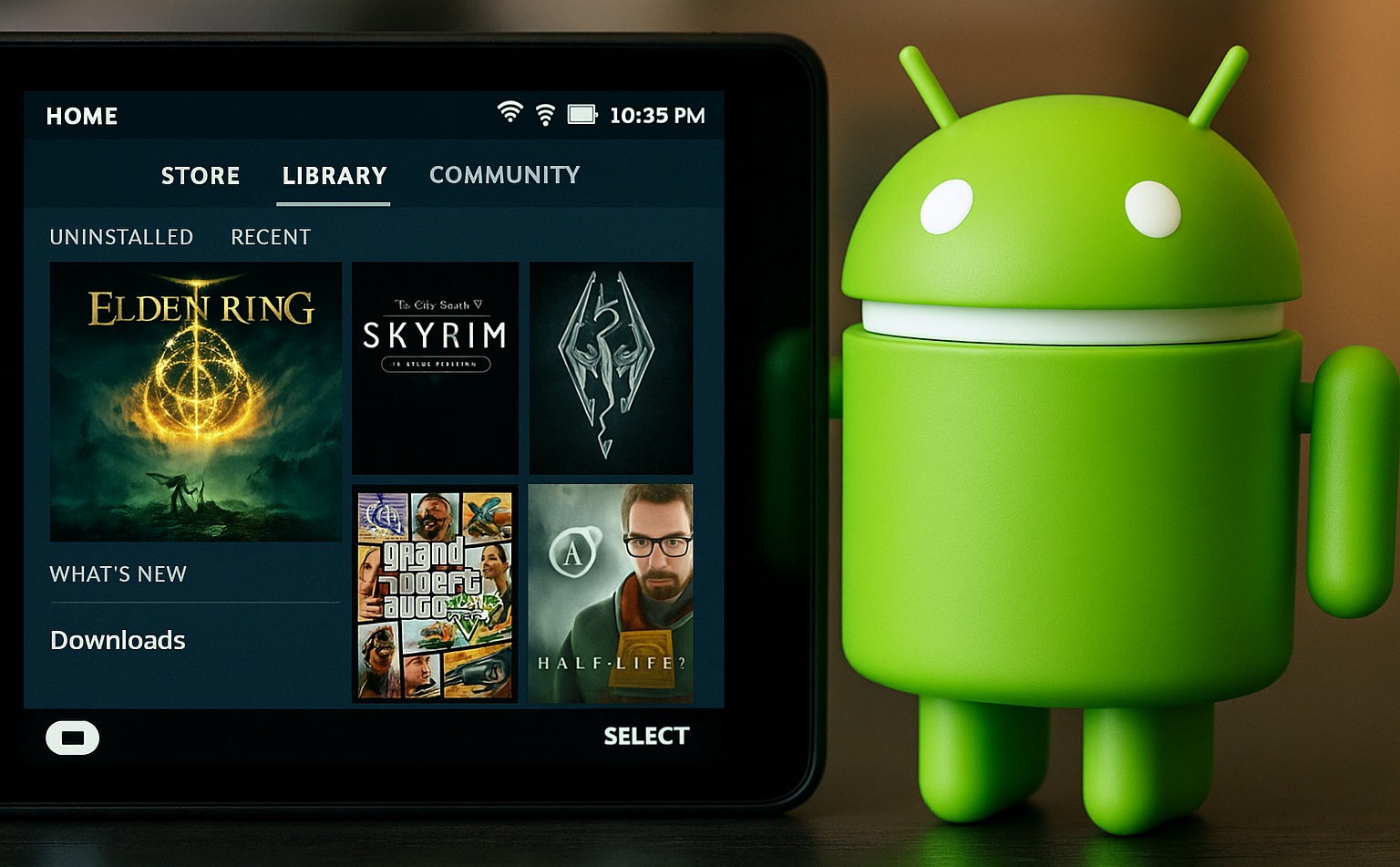
In a significant development for mobile gaming enthusiasts, emulating PC games on Android devices has become more accessible and straightforward than ever before. This progress stems largely from advances driven by Valve, the company renowned for its Steam gaming platform and its innovative Steam Deck. With a combination of software optimizations, open-source projects, and hardware-inspired solutions, Valve is transforming how gamers experience PC titles on mobile platforms.
Related: SIE Collaborates with Bad Robot Games to Launch Studio’s First In-House Title
Related: Red Dead Redemption’s Free Remaster Upgrade Now Available on Xbox
Related: Android’s new ‘Call Reason’ flags important calls before you even pick up
Background: The Challenge of PC Game Emulation on Android
Emulating PC games on Android has historically been a technical challenge. The fundamental differences between PC architectures—typically x86 processors—and the ARM architecture used in most Android devices create compatibility and performance hurdles. Additionally, PC games often rely on complex software frameworks, DirectX APIs, and hardware drivers that are not natively supported on Android.
These obstacles have made playing full-fledged PC games on Android devices difficult, often requiring advanced technical knowledge and cumbersome workarounds. Until recently, many gamers resorted to cloud gaming solutions or limited themselves to simpler games optimized for mobile.
Valve’s Role in Simplifying PC Game Emulation
Valve’s contributions have been pivotal in breaking down these barriers. The company’s development of Proton—a compatibility layer enabling Windows games to run on Linux—has been extended to influence Android gaming. Proton translates Windows API calls into Linux-compatible calls, facilitating the execution of PC games on non-Windows platforms.
While Proton initially targeted Valve’s Steam Deck, its open-source nature has allowed Android developers and the broader gaming community to adapt similar technologies for mobile emulation. Valve’s commitment to open development has fostered a collaborative ecosystem where improvements in compatibility and performance are shared and accelerated.
Proton and Steam Deck: Catalysts for Android Emulation
The Steam Deck’s hybrid hardware and software design plays a crucial role. Running on a customized Linux-based SteamOS, the Steam Deck leverages Proton to run thousands of PC games seamlessly. The device’s success demonstrates the viability of high-performance PC gaming on portable hardware.
Developers and enthusiasts have since worked to port Proton-like solutions to Android, making it possible to run Windows games on mobile devices without full reliance on cloud streaming. This shift allows gamers to enjoy native-like performance, provided the Android device has adequate processing power.
Technological Advances Empowering Android Emulation
Multiple technological advances, inspired by Valve’s work, are contributing to the improved emulation landscape on Android:
- Compatibility Layers: Proton’s translation mechanisms have inspired projects that bring DirectX and other Windows APIs to ARM-based Android devices.
- WINE and CrossOver: Enhanced versions of these compatibility tools now support more Windows games on Android, often utilizing Proton codebases.
- GPU Driver Improvements: Better support for Vulkan APIs on Android improves graphics performance and compatibility with PC games.
- Hardware Optimization: Modern Android devices featuring powerful ARM processors and GPUs make running complex PC titles feasible.
Consumer Impact: What This Means for Gamers
The democratization of PC game emulation on Android devices has profound implications for gamers worldwide. Consumers can now access a broader library of games without investing in dedicated gaming laptops or relying solely on cloud gaming subscriptions. This greater accessibility enhances the gaming ecosystem by blending portability, affordability, and performance.
Key benefits for consumers include:
- Expanded Game Libraries: Access to popular PC games on Android devices enhances gaming variety.
- Offline Play: Unlike many cloud gaming options, native emulation allows playing without an internet connection.
- Cost Efficiency: Users can leverage existing Android hardware instead of purchasing specialized gaming devices.
- Customization: Enthusiasts can tailor emulation settings and controls to their preferences.
However, challenges remain, such as optimizing battery life during intensive gaming sessions and ensuring consistent performance across diverse Android hardware.
Industry Implications and Market Trends
Valve’s initiatives are also influencing the broader gaming industry and device manufacturers. Hardware makers are increasingly aware of the demand for high-performance gaming on mobile devices, prompting investments in more powerful processors and better cooling solutions for smartphones and tablets.
Game developers, recognizing the growing mobile PC gaming market, may prioritize cross-platform compatibility and optimization. This trend encourages development of games that run smoothly on ARM architectures, further bridging the gap between PC and mobile gaming.
Moreover, Valve’s open approach fosters innovation, reducing reliance on proprietary cloud services and enabling a more diverse ecosystem of emulation tools and platforms.
Expert Insights
Industry analysts and gaming experts note that Valve’s influence extends beyond hardware or software alone. Their ecosystem-driven approach is key to the current advances in Android PC game emulation.
- Software Expertise: Valve’s extensive experience with compatibility layers and open-source projects provides a strong foundation for mobile emulation tools.
- Community Engagement: Valve’s collaboration with developers and enthusiasts accelerates innovation and bug fixes.
- Hardware-Software Integration: The Steam Deck exemplifies how cohesive design enables superior performance, an example increasingly mirrored in mobile emulation efforts.
- Market Dynamics: Experts highlight that the convergence of PC and mobile gaming could reshape consumer habits and the competitive landscape.
Overall, industry observers expect continued improvements in emulation quality, with potential expansion into newer game genres and virtual reality experiences on mobile devices.
Looking Ahead: The Future of PC Emulation on Android
As technology evolves, the synergy between Valve’s innovations and Android’s growing capabilities suggests a promising future for PC game emulation on mobile. Emerging trends include:
- Enhanced AI Integration: Leveraging AI for performance optimization and adaptive controls.
- Broader Platform Support: Expanding compatibility with more diverse Android devices, including foldables and tablets.
- Hybrid Cloud-Local Solutions: Combining emulation with cloud resources to balance performance and accessibility.
- Improved User Interfaces: Making emulation more user-friendly for casual gamers through intuitive apps and simplified installation.
These developments could redefine mobile gaming experiences, blurring the lines between traditional PC gaming and portable entertainment.
Conclusion
Thanks to Valve’s pioneering work with Proton, Steam Deck, and open-source compatibility tools, emulating PC games on Android devices has entered a new era of accessibility and performance. This progress not only benefits gamers seeking versatile and affordable gaming options but also influences the gaming industry’s trajectory toward seamless cross-platform experiences.
While technical challenges remain, ongoing innovation and community engagement promise to overcome these hurdles. For consumers and developers alike, the ability to enjoy PC-quality gaming on Android devices is becoming a tangible reality, signaling a transformative shift in how games are played and experienced on the go.
- Los Gatos ‘Party Mom’ Who Supplied Teens With Alcohol and Pressured Them Faces Lengthy Jail Sentence

- Anti-AIPAC Group Faces Setback as Rep. Valerie Foushee Wins Primary Battle

- Texas Judge Declines to Close Camp Mystic but Bars Construction on Flood-Damaged Campus

- Netflix, After Walking Away From Warner Bros. Deal, Will Move Forward With $2.8 Billion Cash Reserve, CFO Says

- Democratic Rivals in Close Senate Primary Amid Texas Polling Confusion