
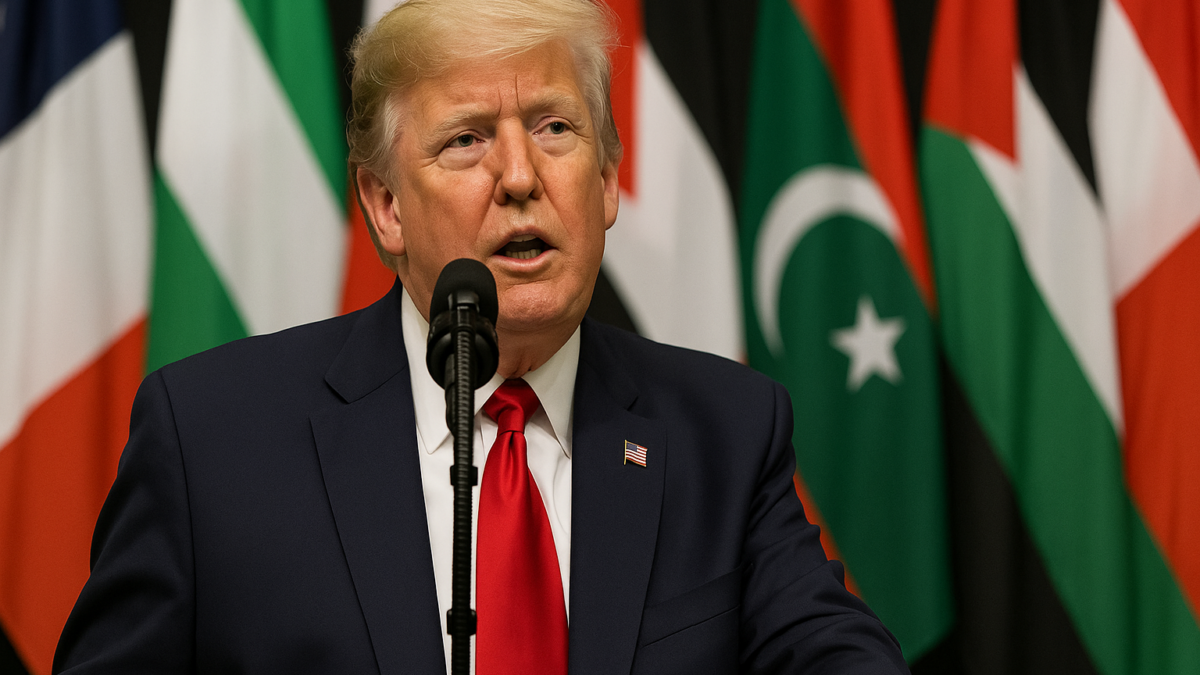
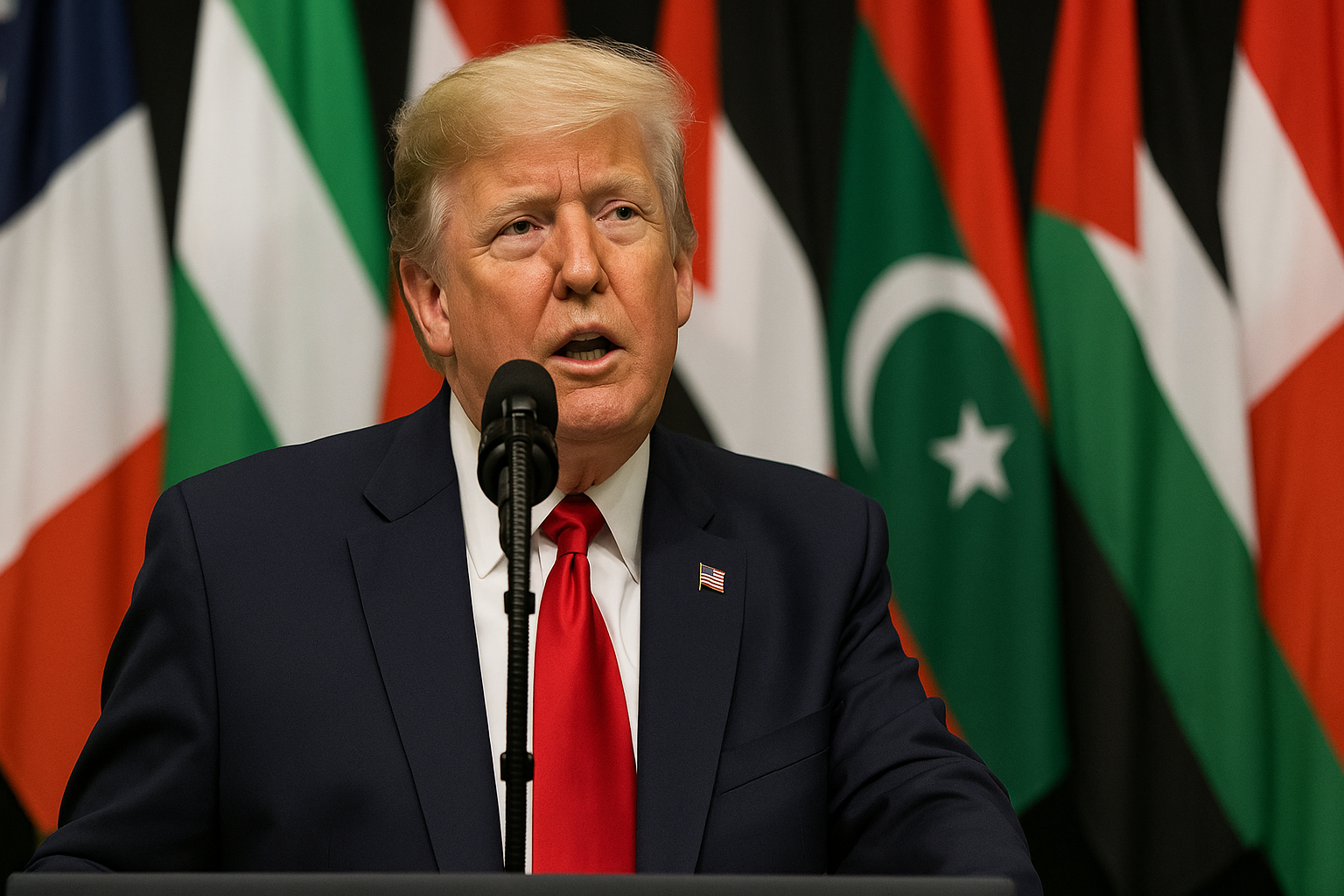
The Trump administration has announced a significant pause on immigration applications from 19 countries currently listed under its travel ban program. This decision, revealed within the last 24 hours, marks a pivotal moment in U.S. immigration policy, with broad implications for immigration processes, affected nationals, and international relations.
Related: Trump Highlights ‘Very Good’ Meeting Between Witkoff, Kushner, and Putin
Related: In tight Tennessee congressional race, Republican Matt Van Epps pulls out victory
Related: How Belgium Became Russia’s Most Valuable Asset
Background of the Travel Ban Policy
Since the inception of the travel ban policy, the United States has restricted entry for nationals from a select group of countries, citing concerns related to national security and immigration control. The list of affected nations has evolved over time, reflecting shifts in geopolitical considerations and security evaluations.
The original intent behind the travel ban was to prevent potential threats from entering U.S. borders by temporarily suspending visa issuance and immigration processes for specific countries. The policy has been a subject of extensive legal scrutiny, public debate, and international diplomatic conversations.
Details of the Current Suspension
In the latest development, the Trump administration has paused immigration applications for nationals from 19 countries that remain on the travel ban list. This suspension affects various categories of immigration benefits, including family-sponsored visas, employment-based immigration petitions, and other lawful immigration pathways.
The decision applies immediately and will remain in effect until further notice. Government officials have indicated that the pause is a strategic measure to review and enhance vetting procedures for applicants from the affected countries.
Countries Included in the Suspension
The list of countries impacted by this pause includes a mix of nations from different regions, primarily those previously identified as posing heightened security concerns by U.S. authorities. While the administration has not released a detailed public list in this announcement, prior travel bans have historically included countries from the Middle East, Africa, and parts of Asia.
Implications for Immigration Applicants
This pause introduces immediate uncertainty and challenges for thousands of individuals currently seeking to immigrate to the United States. Applicants from the affected countries face indefinite delays in processing times, with no clear timeline for resumption.
- Backlogs intensify: Immigration services may experience increased backlogs as applications accumulate without being processed.
- Family separations: Many applicants seeking family reunification may face prolonged separations, impacting family cohesion and emotional well-being.
- Employment disruptions: Employment-based visa applicants could experience delays, affecting job placements and employer planning.
- Legal complexities: Applicants may need to seek additional legal counsel to navigate the evolving policy landscape.
Broader Political and Diplomatic Context
The Trump administration’s move to pause immigration applications aligns with its broader agenda of tightening immigration controls and reinforcing national security measures. However, this decision is likely to attract criticism from immigration advocacy groups, legal experts, and international partners.
Diplomatic relations between the United States and the impacted countries could experience strain, as governments respond to concerns raised by their citizens affected by the policy. Additionally, this pause may influence ongoing negotiations and cooperation on security, trade, and migration issues.
Legal and Ethical Considerations
Legal experts note that such pauses on immigration applications must adhere to existing laws and constitutional protections. There is a possibility of legal challenges questioning the legality and fairness of indefinite application suspensions.
Ethically, the policy raises questions about the balance between national security and humanitarian responsibilities. Critics argue that blanket suspensions disproportionately affect innocent applicants, including refugees and asylum seekers, who rely on U.S. immigration pathways for safety and opportunity.
Expert Insights
Immigration policy analysts highlight that the current pause could signal a more stringent vetting regime in the future, with enhanced security protocols and background checks.
Experts emphasize the importance of transparency and clear communication from government agencies to minimize confusion and anxiety among applicants and stakeholders. They also suggest that the administration should consider tailored approaches rather than broad suspensions to avoid unintended humanitarian consequences.
International relations scholars observe that while national security is a legitimate concern, policies must be balanced with diplomatic engagement to maintain constructive relationships with affected countries.
Impact on U.S. Immigration System
- Processing delays: The suspension will inevitably slow down overall immigration processing times due to backlog accumulation.
- Resource allocation: Immigration agencies may need to reallocate resources to manage the suspension and review procedures.
- Policy uncertainty: Applicants and legal practitioners face challenges in planning due to unpredictable policy shifts.
Consumer and Community Impact
The suspension affects not only immigration applicants but also U.S. communities and employers dependent on immigrant labor and family networks. Industries such as technology, healthcare, and agriculture, which rely on immigrant workers from diverse backgrounds, may experience workforce shortages.
Community organizations serving immigrant populations will likely see increased demand for support services, including legal aid, counseling, and advocacy. The emotional toll on families separated due to processing delays is significant and may contribute to broader social challenges.
Forward-Looking Analysis
Looking ahead, the Trump administration’s pause on immigration applications from these 19 countries could be a precursor to more comprehensive immigration reforms or security-focused policy overhauls. The administration may use this period to develop new vetting technologies, revise eligibility criteria, or introduce additional security clearances.
Stakeholders anticipate ongoing debates in Congress and courts regarding the scope and legality of such immigration restrictions. The balance between security and openness will remain a contentious issue in U.S. immigration policy discussions.
Internationally, allies and affected countries may seek to engage diplomatically to mitigate impacts and negotiate terms for future cooperation.
Conclusion
The Trump administration’s decision to pause immigration applications for 19 countries on the travel ban list represents a significant shift in U.S. immigration policy with wide-ranging consequences. While intended to enhance national security, the suspension poses challenges for applicants, communities, and international relations.
Moving forward, transparent communication, legal oversight, and balanced policy approaches will be essential to address the complexities introduced by this pause. The evolving landscape underscores the ongoing tensions between security imperatives and the United States’ historic role as a destination for immigrants seeking safety and opportunity.
- Los Gatos ‘Party Mom’ Who Supplied Teens With Alcohol and Pressured Them Faces Lengthy Jail Sentence

- Anti-AIPAC Group Faces Setback as Rep. Valerie Foushee Wins Primary Battle

- Texas Judge Declines to Close Camp Mystic but Bars Construction on Flood-Damaged Campus

- Netflix, After Walking Away From Warner Bros. Deal, Will Move Forward With $2.8 Billion Cash Reserve, CFO Says

- Democratic Rivals in Close Senate Primary Amid Texas Polling Confusion