
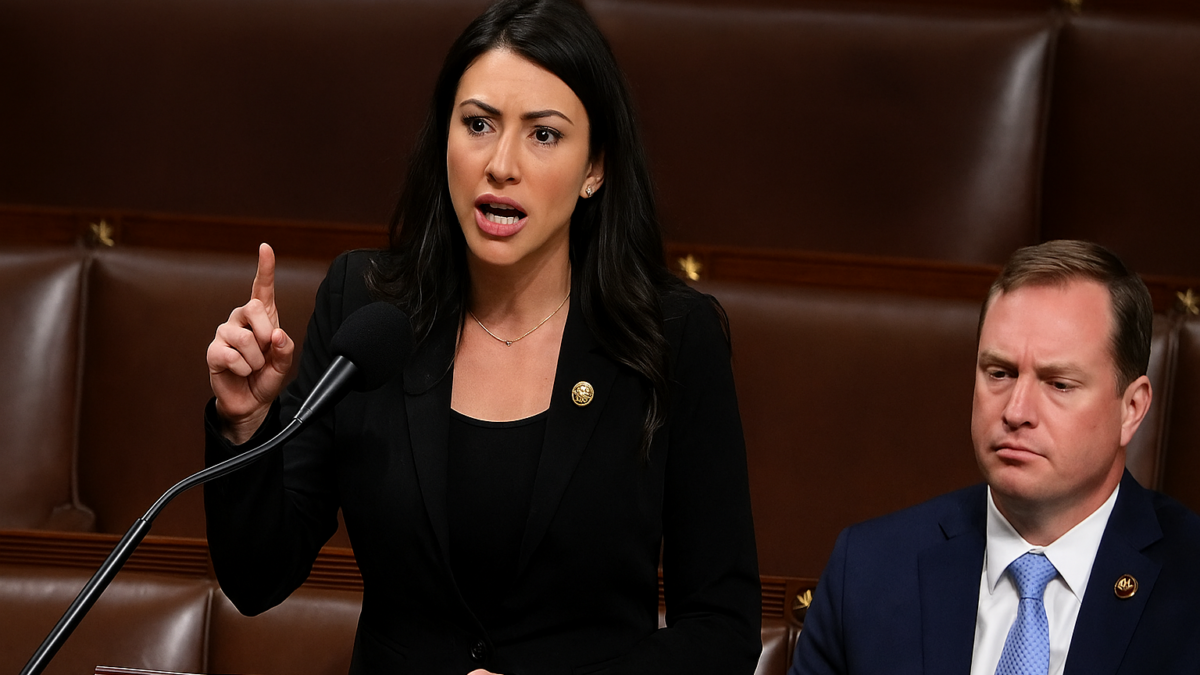
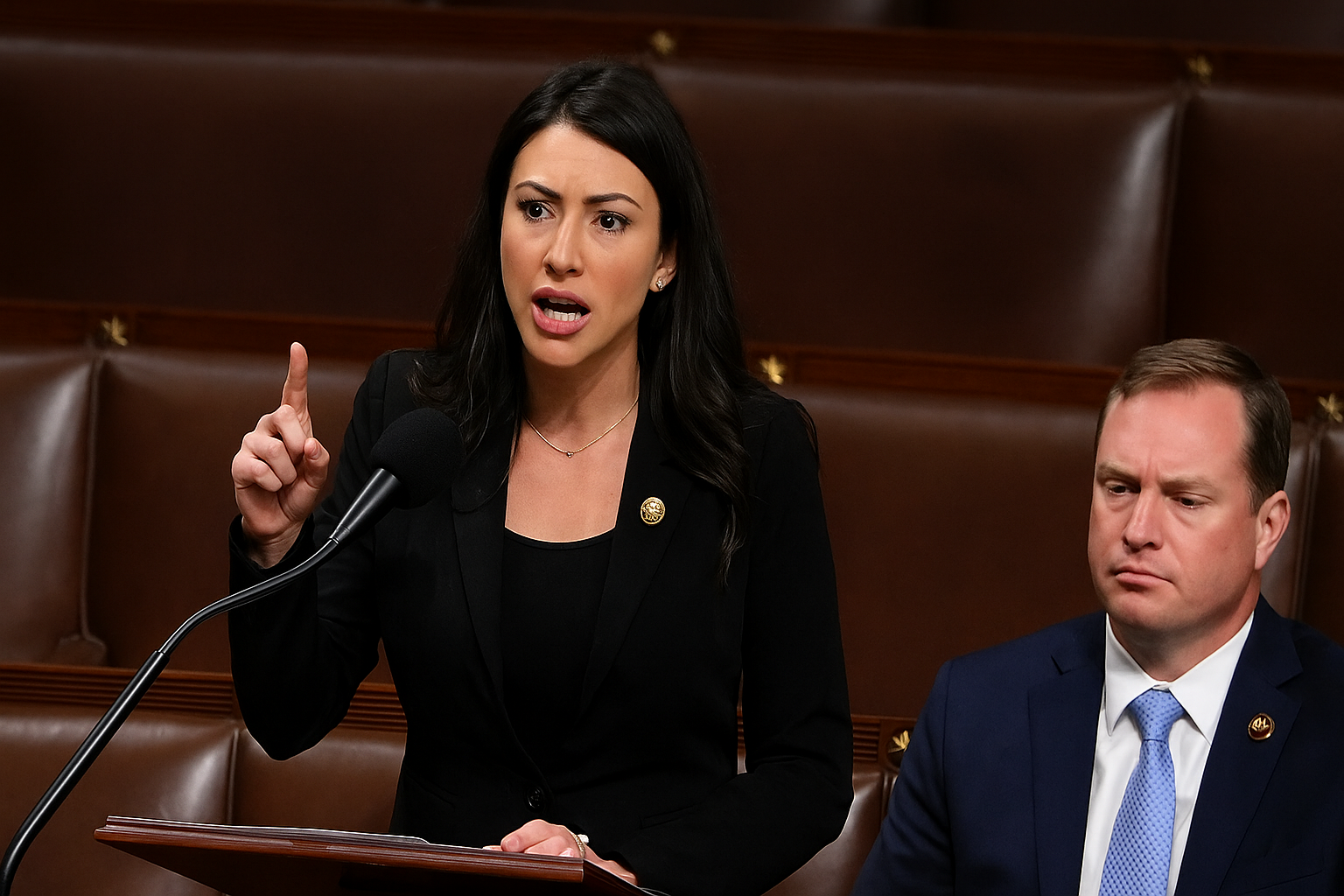
In a significant move toward increasing transparency and addressing ethical concerns in U.S. governance, Representative Luna has taken decisive steps to force a congressional vote on legislation that would ban stock trading by members of Congress. This development, unfolding today, marks a critical juncture in the ongoing debate over conflicts of interest and insider trading potential within the legislative branch.
Related: In tight Tennessee congressional race, Republican Matt Van Epps pulls out victory
Related: How Belgium Became Russia’s Most Valuable Asset
Related: Watchdog Finds Hegseth Violated Pentagon Protocol in ‘Signalgate’ Affair
Background: Congressional Stock Trading Controversies
The issue of stock trading by elected officials has attracted widespread attention amid concerns that lawmakers might leverage non-public information to gain financial advantages. Critics argue that such activities erode public trust and compromise the integrity of legislative decision-making. Although existing rules require members of Congress to disclose stock transactions, these measures have been viewed as insufficient by watchdog groups and ethical reform advocates.
Recent investigations and media reports have intensified scrutiny on the practice, revealing instances where lawmakers engaged in trades coinciding with critical legislative developments. This backdrop has galvanized bipartisan calls for stricter regulations or outright prohibitions on stock trading by congressional members.
The Legislative Push Led by Luna
Representative Luna’s initiative aims to codify a comprehensive ban on stock trading for members of Congress and their immediate families. The proposed legislation seeks to eliminate potential conflicts of interest by preventing lawmakers from buying or selling individual stocks during their tenure. Instead, it encourages investments in broad-based index funds or other diversified vehicles that mitigate insider trading risks.
Today, Luna formally filed a motion to force a vote on this bill, circumventing procedural delays that have previously stymied progress on the issue. This strategy reflects a growing momentum among legislators and advocacy groups emphasizing ethical governance and transparency.
Key Provisions of the Proposal
- Complete ban on individual stock trading by members of Congress and their immediate family members.
- Mandatory disclosure enhancements requiring more timely and detailed reporting of financial transactions.
- Permissible investment options limited to diversified mutual funds or index funds to reduce conflicts of interest.
- Enforcement mechanisms including stricter penalties for violations and oversight by an independent ethics office.
Implications for Congressional Ethics and Public Trust
Should the bill pass, it would represent one of the most substantial reforms to congressional ethics rules in recent history. Advocates argue that banning stock trading outright is necessary to restore public confidence in elected officials and to ensure legislative decisions are made free from financial incentives.
Opponents, however, caution that such restrictions may dissuade qualified individuals from public service or could raise constitutional questions about personal financial rights. They also highlight the need for balanced approaches that maintain transparency without imposing overly broad prohibitions.
Impact on Legislative Behavior
An enforced ban could lead to a marked shift in how lawmakers approach personal investing, potentially reducing the occurrence of controversial transactions timed around legislative actions. This change may foster a culture prioritizing ethical standards and accountability, aligning congressional conduct with public expectations.
Broader Political and Market Effects
The legislation could also influence market perceptions, as investors and stakeholders monitor how government officials’ financial activities intersect with policy decisions. A successful ban may set a precedent for other branches of government or states considering similar ethics reforms.
Expert Insights on the Proposed Ban
Industry analysts and ethics experts emphasize that the push to ban congressional stock trading is part of a growing trend toward enhancing governmental transparency. They note that while disclosure requirements have improved over time, they often fall short of preventing conflicts of interest effectively.
Experts highlight that comprehensive bans can simplify compliance and enforcement, reducing ambiguity about permissible conduct. They also stress the importance of independent oversight bodies empowered to investigate and penalize violations swiftly.
Moreover, some ethicists suggest that banning stock trading aligns with broader democratic principles by reinforcing that elected officials serve public interests rather than personal financial gain.
Challenges Ahead
- Political resistance: Some lawmakers may resist the ban due to perceived infringement on personal freedoms or political strategy concerns.
- Legal scrutiny: The proposal might face constitutional challenges related to rights over private property and financial activities.
- Implementation complexity: Establishing clear rules and robust oversight to enforce the ban will require coordinated effort and resources.
Next Steps and Outlook
With the motion to force a vote now filed, congressional leaders will need to decide whether to bring the bill to the floor for debate and decision. The outcome is uncertain, but the issue’s prominence indicates growing bipartisan interest in addressing congressional financial ethics.
Public advocacy campaigns and media coverage are likely to intensify, applying additional pressure on legislators to act decisively. Observers expect that this initiative could pave the way for further reforms aimed at enhancing ethical standards and restoring trust in government institutions.
Potential Ripple Effects
- Other branches of government and state legislatures may consider similar prohibitions.
- Financial industries and political watchdogs may adjust compliance frameworks accordingly.
- The public’s engagement with congressional ethics issues could increase, influencing electoral dynamics.
Conclusion
Representative Luna’s push to force a congressional vote on banning stock trading by lawmakers reflects a critical moment in the pursuit of ethical governance and transparency. By addressing longstanding concerns about conflicts of interest, the proposed legislation seeks to strengthen the integrity of the legislative process and rebuild public trust.
While challenges remain, including political opposition and legal scrutiny, the initiative underscores the growing demand for accountability in public service. As the vote approaches, stakeholders across the political spectrum will be closely watching to see whether Congress embraces this reform or continues to navigate the complexities of financial ethics on its own terms.
- Los Gatos ‘Party Mom’ Who Supplied Teens With Alcohol and Pressured Them Faces Lengthy Jail Sentence

- Anti-AIPAC Group Faces Setback as Rep. Valerie Foushee Wins Primary Battle

- Texas Judge Declines to Close Camp Mystic but Bars Construction on Flood-Damaged Campus

- Netflix, After Walking Away From Warner Bros. Deal, Will Move Forward With $2.8 Billion Cash Reserve, CFO Says

- Democratic Rivals in Close Senate Primary Amid Texas Polling Confusion