
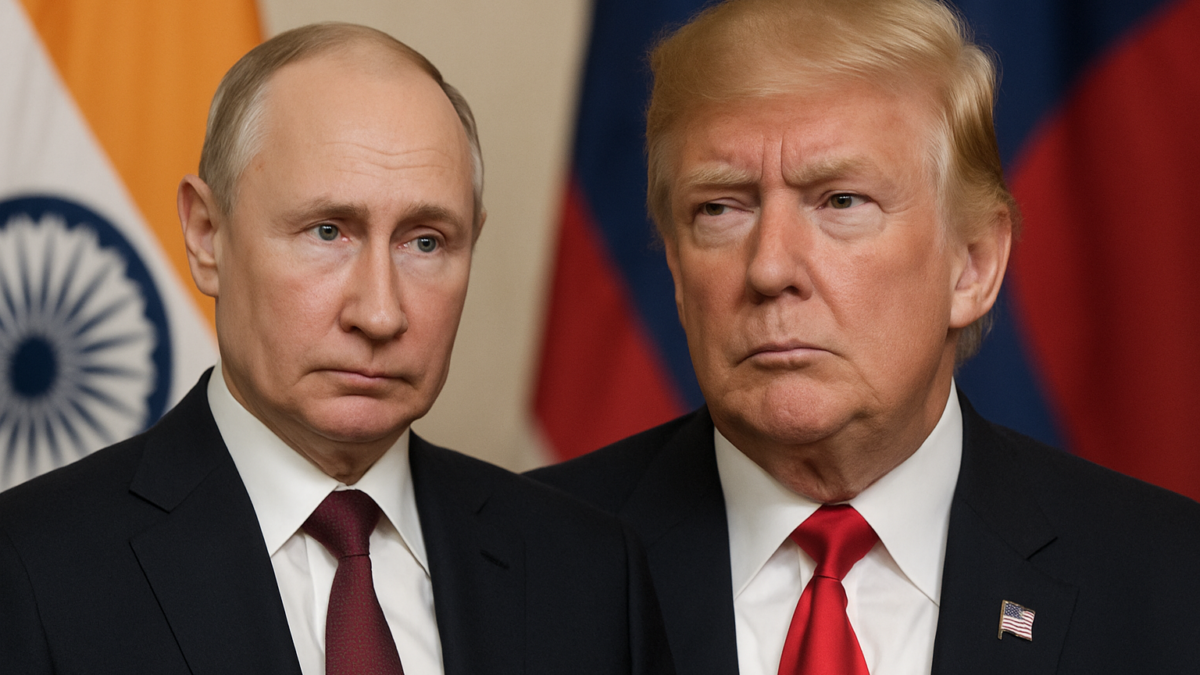
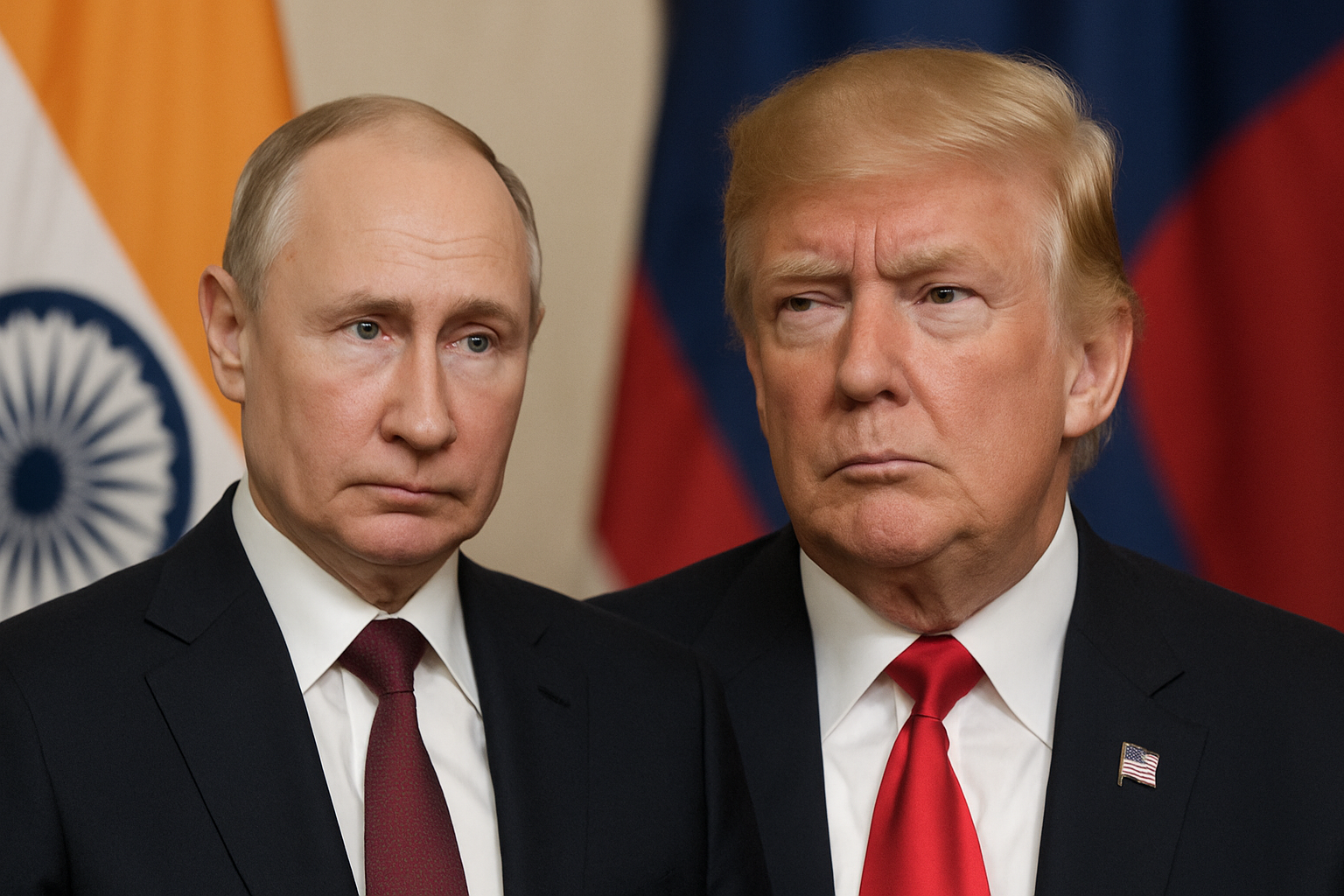
Russian President Vladimir Putin’s visit to India this week is unfolding under the considerable shadow of sanctions implemented during the Trump administration aimed at curbing Russia’s oil exports. These sanctions, designed to limit Russia’s energy revenues amid geopolitical tensions, continue to influence Moscow’s diplomatic and trade strategies, with significant implications for India’s energy security and its balancing act between global powers.
Related: In tight Tennessee congressional race, Republican Matt Van Epps pulls out victory
Related: Putin visits India amid Ukraine peace push: What’s on the agenda?
Related: How Belgium Became Russia’s Most Valuable Asset
Background: Sanctions and Their Enduring Impact
The sanctions imposed during the Trump administration targeted Russia’s oil sector with the goal of restricting its ability to finance military operations and exert influence globally. By imposing restrictions on companies involved in Russian oil extraction and export, the sanctions aimed to reduce global demand for Russian energy assets. Although these measures were initially introduced to respond to earlier geopolitical conflicts, their legacy remains potent in shaping the current international energy landscape.
Despite the passage of time, these sanctions have not been fully lifted or replaced by less restrictive measures. Instead, they have evolved alongside broader international efforts to isolate Russia economically. The continued enforcement of these sanctions has constrained Russia’s access to advanced technology and international markets, compelling Moscow to seek alternative avenues for oil exports, including intensified trade relations with non-Western partners like India.
Putin’s Visit to India: Strategic and Economic Considerations
President Putin’s visit to India marks a critical juncture in Russia-India relations. The two countries have long-standing ties dating back to the Cold War era, encompassing defense, energy, and technology cooperation. However, the current geopolitical environment adds layers of complexity to their engagement.
India, as one of the world’s fastest-growing economies and a major energy consumer, has increasingly looked to diversify its energy sources. Russian oil, often priced competitively due to sanctions-related discounts, presents an attractive option. Nevertheless, India must navigate the diplomatic tightrope carefully, balancing its energy needs with its strategic partnerships, including its growing ties with the United States and Western allies.
Energy Security and Economic Implications for India
India relies heavily on oil imports to fuel its transportation and industrial sectors. Russian crude oil has become a crucial component of its energy mix, especially in light of global supply uncertainties and price volatility. The sanctions’ impact on Russian oil availability and pricing directly affects India’s import strategies and budget planning for energy procurement.
During Putin’s visit, discussions are expected to focus on long-term energy cooperation, including potential agreements to secure stable supplies of Russian crude and refined products. Additionally, there is interest in expanding joint ventures and investments in oil infrastructure, refining capacity, and technology transfer. These developments could help India mitigate supply disruptions and stabilize domestic fuel prices.
Geopolitical Ramifications
Putin’s visit also highlights the broader geopolitical dynamics at play. The Trump-era sanctions on Russian oil form part of a wider contest between Western powers and Russia. By engaging with India, Russia aims to strengthen ties with a major Asian power that has maintained a relatively neutral stance in the Russia-West confrontation.
India’s approach to Russia is notably pragmatic, driven by its strategic autonomy doctrine. While it refrains from endorsing Russia’s actions internationally, it simultaneously pursues national interests by maintaining cooperative ties. This balancing act is evident in India’s continued imports of Russian energy despite Western sanctions and diplomatic pressure.
The visit also underscores India’s role as a pivotal player in the Indo-Pacific region, where geopolitical competition among the US, China, Russia, and others is intensifying. By deepening energy and defense cooperation with Russia, India signals its intent to diversify partnerships and retain strategic flexibility.
Challenges and Criticisms
India’s engagement with Russia amid sanctions has attracted scrutiny from Western governments and analysts. Critics argue that continued purchases of Russian oil may undermine the effectiveness of sanctions designed to pressure Moscow. There are concerns about potential secondary sanctions on companies or countries that facilitate Russian energy trade.
However, India has emphasized its right to pursue independent foreign policy decisions and energy security imperatives. Indian officials have underscored that their engagement with Russia does not equate to endorsement of all Russian policies but reflects longstanding bilateral ties and economic pragmatism.
Expert Insights
- Energy analysts note that Trump-era sanctions have successfully curtailed Russia’s ability to freely access global energy markets, forcing Moscow to recalibrate its export strategies.
- Geopolitical experts highlight India’s pragmatic balancing act as a key example of how emerging powers navigate complex international sanctions regimes while safeguarding national interests.
- Economic strategists point out that Russia’s discounted oil supplies provide India with cost advantages but also expose it to risks related to global diplomatic pressures and potential disruptions.
- Policy observers suggest that India’s energy diversification efforts, including investments in renewables and alternative suppliers, will be critical in reducing dependency on any single source amid ongoing geopolitical tensions.
Looking Ahead: Implications for Global Energy and Diplomacy
The interplay between Trump-era sanctions on Russian oil and Putin’s diplomatic outreach to India is emblematic of broader trends shaping global energy markets and international relations in 2024. Key implications include:
- Energy market volatility: Sanctions continue to distort traditional supply chains, contributing to price uncertainty and prompting countries to seek diversified sources.
- Strategic realignments: Russia’s pivot toward Asia, particularly India and China, reflects an adaptive strategy to circumvent Western restrictions and maintain economic resilience.
- Diplomatic balancing: Countries like India are increasingly adopting nuanced policies to maintain autonomy while engaging with competing global powers.
- Sanctions effectiveness: The ongoing enforcement of sanctions and their secondary impacts remain a subject of debate among policymakers and analysts assessing their long-term efficacy.
India’s ability to manage these dynamics will influence regional stability and the evolution of global energy geopolitics. Meanwhile, Russia’s engagement with India signals its commitment to sustaining critical partnerships despite external pressures.
Conclusion
President Putin’s visit to India occurs against the enduring backdrop of Trump-era sanctions targeting Russian oil exports. These measures continue to shape Russia’s economic strategies and complicate its international relations. For India, the visit represents an opportunity to reinforce energy cooperation while navigating the complex geopolitical landscape that sanctions have helped to create.
The evolving situation underscores the intricate connections between energy security, international diplomacy, and economic sanctions in today’s multipolar world. As India seeks to balance its strategic autonomy with global pressures, the outcomes of this visit may have lasting implications for energy markets and geopolitical alignments throughout the year.
- Los Gatos ‘Party Mom’ Who Supplied Teens With Alcohol and Pressured Them Faces Lengthy Jail Sentence

- Anti-AIPAC Group Faces Setback as Rep. Valerie Foushee Wins Primary Battle

- Texas Judge Declines to Close Camp Mystic but Bars Construction on Flood-Damaged Campus

- Netflix, After Walking Away From Warner Bros. Deal, Will Move Forward With $2.8 Billion Cash Reserve, CFO Says

- Democratic Rivals in Close Senate Primary Amid Texas Polling Confusion