
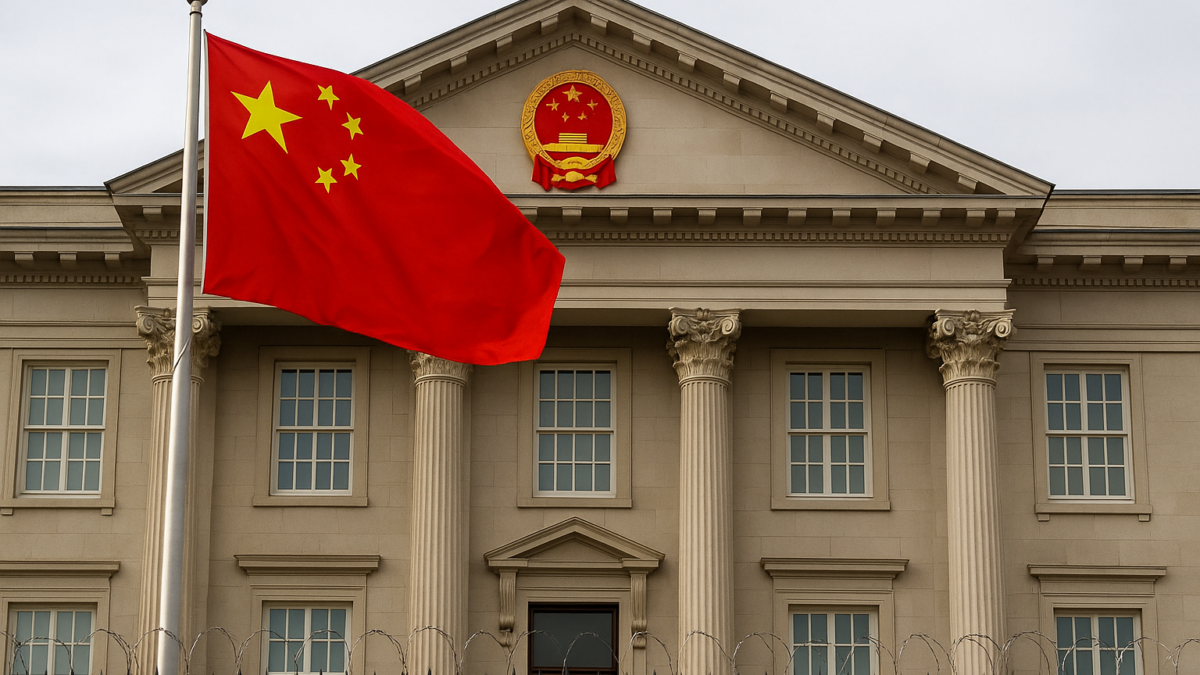
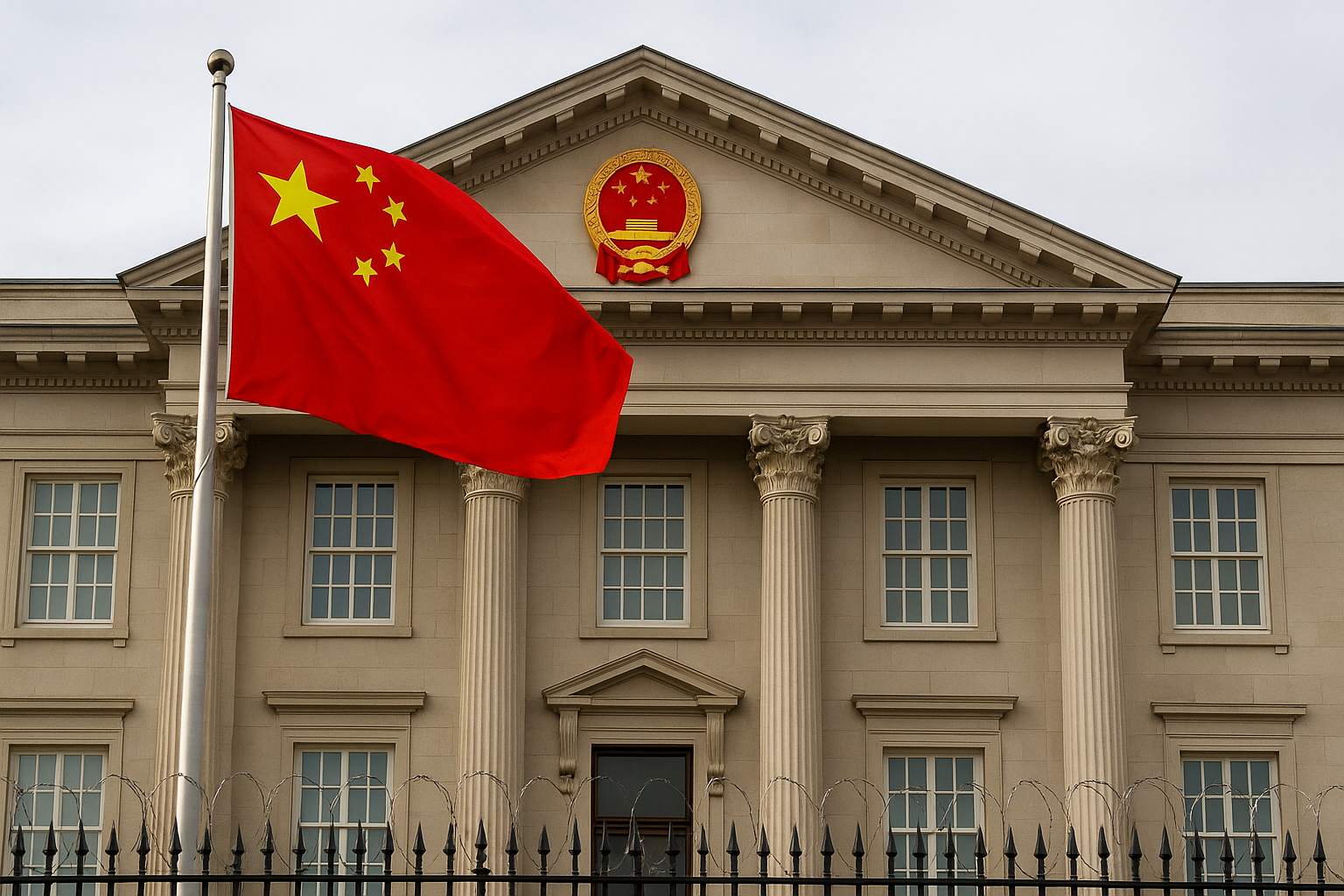
The UK government has recently indicated that the construction of a new, expansive Chinese embassy in London could offer potential security advantages, a perspective that contrasts with widespread concerns about diplomatic risks. This development has sparked extensive discussion among policymakers, security experts, and international relations analysts, reflecting the complex intersection of diplomatic presence and national security in the contemporary geopolitical landscape.
Related: Multiple Afghans Arrested by ICE in Albany Amid Crackdown After D.C. Shooting
Related: In tight Tennessee congressional race, Republican Matt Van Epps pulls out victory
Related: How Belgium Became Russia’s Most Valuable Asset
Background of the Chinese Embassy Expansion
China’s decision to build a significantly larger embassy in the UK capital comes amid a broader context of evolving diplomatic relations and heightened geopolitical sensitivities. The new embassy, reportedly one of the largest diplomatic compounds globally, will replace the existing premises and aims to consolidate various consular and diplomatic functions under one roof.
This move aligns with China’s broader diplomatic strategy of expanding its presence and influence in key global cities. The embassy’s size and advanced infrastructure symbolize China’s growing international stature and its ambition to maintain robust bilateral ties with the UK, despite occasional tensions.
Security Considerations Highlighted by the UK Government
Contrary to some public narratives that express apprehension about enhanced foreign diplomatic footprints, UK government officials have articulated that the new Chinese embassy could bring certain security advantages. These perceived benefits include improved monitoring capabilities and enhanced regulatory oversight facilitated by the embassy’s modern design and location.
Officials emphasize that a purpose-built, technologically advanced embassy allows for better management of diplomatic activities and interactions with the host country’s security agencies. The consolidation of staff and resources can streamline communication channels, potentially reducing unauthorized or covert operations that might occur through dispersed locations.
- Improved Surveillance and Monitoring: The centralized embassy design is expected to enable more effective surveillance and controlled access, supporting both Chinese and UK security frameworks.
- Enhanced Regulatory Compliance: A modern facility can incorporate compliance features aligning with UK security protocols, facilitating joint efforts to prevent illegal activities.
- Increased Transparency: Concentrated diplomatic activities at a single site may reduce ambiguity about personnel movements and engagements.
Contextualizing Security in Diplomatic Infrastructure
Embassies serve as sovereign entities within host nations, and their design and operations have direct implications for security. The expansion of diplomatic compounds often prompts discussions about espionage risks, intelligence gathering, and counterintelligence measures. However, the UK’s perspective suggests that larger, state-of-the-art embassies can paradoxically enhance security by enabling clearer oversight.
Historically, diplomatic buildings have been venues for both legitimate diplomatic work and covert intelligence operations, complicating host countries’ security assessments. The presence of a mega embassy, equipped with modern security technologies, may help mitigate risks by creating a controlled environment where activities are easier to monitor.
Implications for UK-China Diplomatic Relations
The embassy expansion occurs at a time when UK-China relations are marked by a mix of cooperation and strategic competition. Both countries navigate complex issues including trade, human rights, technology security, and global governance.
From a diplomatic standpoint, the large embassy could symbolize China’s commitment to maintaining strong bilateral engagement. Simultaneously, it challenges the UK to balance openness with vigilance, ensuring that diplomatic privileges are not exploited to undermine national security.
Expert Insights on Diplomatic Security Dynamics
Security analysts and international relations experts generally acknowledge that the size and sophistication of diplomatic missions influence host country security strategies. While some experts express caution about potential espionage risks associated with larger embassies, others recognize the opportunity for more effective security collaboration.
- Security Experts: Larger diplomatic compounds can facilitate comprehensive security protocols, including perimeter defenses, access controls, and cybersecurity measures, which contribute to national security.
- Intelligence Community: Consolidated diplomatic operations simplify monitoring efforts, reducing the complexity of tracking dispersed personnel across multiple locations.
- International Relations Scholars: The physical presence of a mega embassy reflects diplomatic priorities and can serve as an indicator of long-term bilateral intentions.
Despite these potential advantages, experts also underscore the importance of continuous vigilance, intelligence sharing, and legal frameworks to prevent misuse of diplomatic facilities for activities incompatible with host country laws.
Consumer and Public Impact
For the general public and local communities near the embassy site, the construction and operation of a mega embassy bring both opportunities and concerns. On one hand, the project can stimulate local economic activity through construction and increased diplomatic engagement. On the other hand, residents may have concerns about heightened security measures, surveillance, and restricted access to public spaces.
Public communication from government and diplomatic officials is crucial to address these concerns transparently. Clear information about security protocols, community engagement, and the embassy’s role can foster greater understanding and mitigate anxiety.
Forward-Looking Analysis: What This Means for Diplomacy and Security
The emergence of mega embassies, such as the new Chinese facility in London, signals a shift in how diplomatic missions are conceived amid modern security challenges and geopolitical shifts. These developments underscore the need for host countries to adapt security strategies that balance diplomatic openness with protective measures.
Looking ahead, several trends are likely to shape the intersection of diplomatic infrastructure and security:
- Integration of Advanced Security Technologies: Embassies will increasingly incorporate biometric access, cybersecurity defenses, and surveillance systems to safeguard personnel and sensitive information.
- Enhanced Collaboration Between Nations: Joint security protocols and intelligence sharing may become more formalized to address mutual concerns arising from large diplomatic presences.
- Urban Planning and Security Balance: Cities hosting mega embassies will need to balance urban development, security imperatives, and community interests.
- Legal and Regulatory Adaptations: Updated frameworks governing diplomatic privileges and immunities may evolve to reflect expanded embassy footprints.
Conclusion
The UK government’s assertion that the new Chinese mega embassy could bring security advantages highlights a nuanced approach to diplomatic security challenges. While concerns about espionage and covert activities remain valid, the consolidation of diplomatic functions in a modern, well-regulated facility may offer enhanced oversight and control.
This development reflects broader trends in international diplomacy and security, where infrastructure serves not only symbolic but functional roles in managing complex bilateral relations. For the UK, balancing openness with vigilance will be critical as it navigates this evolving diplomatic landscape in 2024 and beyond.
Ultimately, the success of such initiatives depends on transparent cooperation, robust legal frameworks, and continuous evaluation of security risks and benefits, ensuring that diplomatic presence contributes positively to both international relations and national security.
- Los Gatos ‘Party Mom’ Who Supplied Teens With Alcohol and Pressured Them Faces Lengthy Jail Sentence

- Anti-AIPAC Group Faces Setback as Rep. Valerie Foushee Wins Primary Battle

- Texas Judge Declines to Close Camp Mystic but Bars Construction on Flood-Damaged Campus

- Netflix, After Walking Away From Warner Bros. Deal, Will Move Forward With $2.8 Billion Cash Reserve, CFO Says

- Democratic Rivals in Close Senate Primary Amid Texas Polling Confusion