Introduction to the Primary Election Outcome
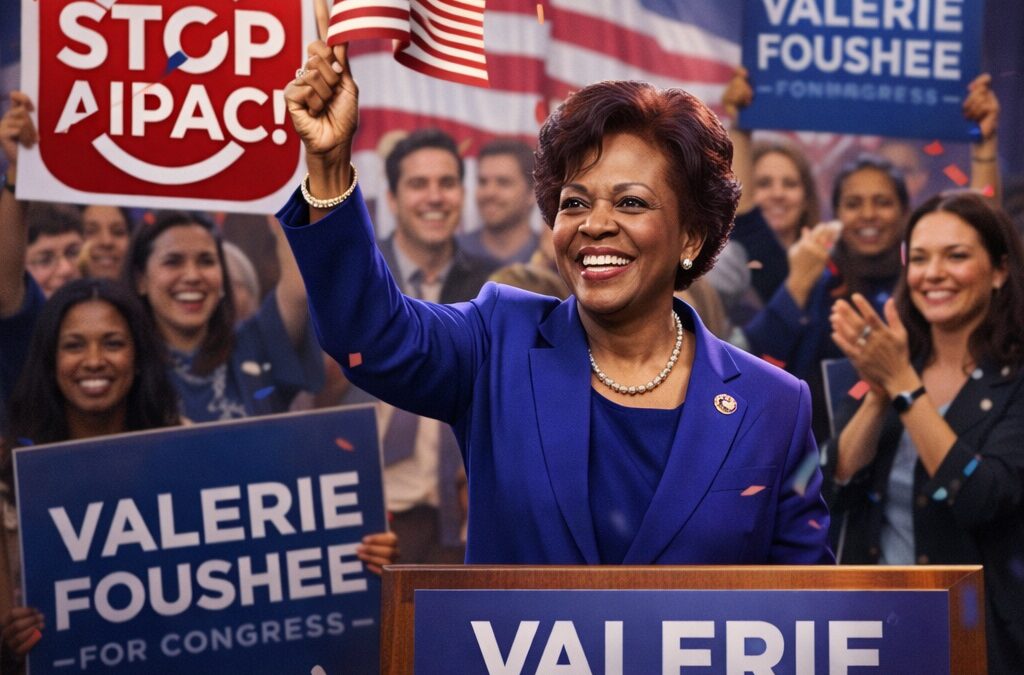
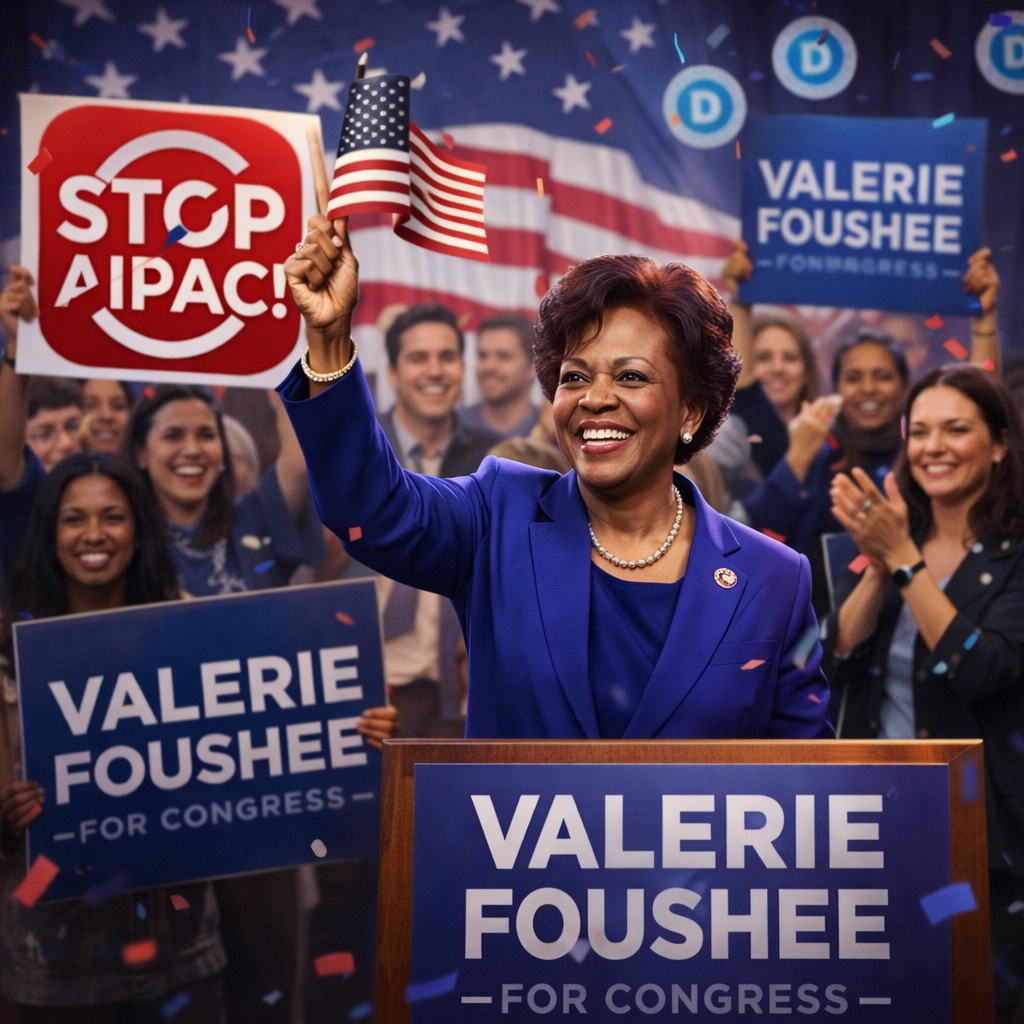
In a closely observed primary election held recently, Representative Valerie Foushee successfully defended her seat against a challenger backed by an anti-AIPAC group. This victory marks a significant moment in the ongoing political discourse surrounding U.S. foreign policy advocacy groups and their influence within Democratic primaries.
Related: In tight Tennessee congressional race, Republican Matt Van Epps pulls out victory
Related: How Belgium Became Russia’s Most Valuable Asset
Related: Israel Receives Coffin Allegedly Containing Gaza Hostage’s Body Amid Ongoing Conflict
The result underscores the complex dynamics of internal party challenges and the impact of advocacy groups on candidate positioning. As political factions within the Democratic Party wrestle over issues related to Middle East policy and the role of lobbying organizations, this primary outcome offers insight into the current mood of the electorate and the challenges facing insurgent candidates.
Background: The Role of AIPAC and Anti-AIPAC Movements
The American Israel Public Affairs Committee (AIPAC) has long been a powerful lobby group influencing U.S. policy related to Israel. In recent years, some political activists and organizations have mobilized to challenge candidates perceived as closely aligned with AIPAC’s agenda. These anti-AIPAC groups advocate for a reassessment of U.S. foreign policy, focusing on human rights concerns and greater scrutiny of Israeli government actions.
This ideological divide has led to several primary challenges against incumbents who have traditionally received AIPAC’s support or avoided critical scrutiny of the organization. The challenger in this election, supported by such an anti-AIPAC group, positioned the race as a referendum on U.S. foreign policy and the influence of lobbying groups in Washington.
Details of the Primary Race
Representative Valerie Foushee, a seasoned politician with a record of balancing progressive and centrist positions, faced a well-organized primary challenger. The challenger’s campaign focused heavily on reducing the influence of pro-Israel lobbying and advocating for a more nuanced approach to Middle East policy.
Despite vigorous campaigning and significant grassroots support for the challenger, Foushee managed to hold onto her seat with a decisive margin. Analysts attribute her win to several factors, including strong constituent relationships, effective voter outreach, and a campaign that successfully framed the race around broader local concerns rather than single-issue advocacy.
Campaign Strategies and Voter Sentiment
- Incumbent Advantage: Foushee leveraged her legislative experience and record of constituent service to build trust among voters.
- Issue Framing: The incumbent’s campaign broadened the focus beyond foreign policy to include economic and social issues central to the district.
- Grassroots Dynamics: While the challenger energized a specific activist base, the incumbent maintained wider appeal across diverse demographic groups.
- Fundraising and Endorsements: Financial resources and endorsements from prominent figures helped solidify Foushee’s position.
Implications for Democratic Primaries and Foreign Policy Debates
This primary outcome highlights the challenges anti-AIPAC groups face in dislodging established incumbents within the Democratic Party. While these groups have gained attention for pushing candidates to reconsider traditional U.S.-Israel policy alignments, their electoral success remains limited in many districts.
For the broader Democratic Party, this race reflects ongoing tensions between progressive activists advocating for foreign policy reforms and the party’s more centrist elements. The results suggest that, while foreign policy is an important issue for many voters, local and economic concerns often take precedence in primary elections.
Moreover, the victory for Foushee reinforces the importance of incumbency and the ability to connect with a broad voter base when facing ideological challenges.
Expert Insights
Political analysts point out that this primary serves as a microcosm of larger trends in American politics:
- Electoral Viability of Issue-Based Challenges: Candidates challenging incumbents on specific policy grounds must build comprehensive platforms addressing a range of voter priorities.
- Role of Advocacy Groups: While organizations like the anti-AIPAC group can influence discourse, their capacity to translate activism into electoral wins depends on local dynamics and campaign infrastructure.
- Voter Prioritization: Most voters tend to weigh economic and social issues more heavily than foreign policy alone when selecting candidates.
- Incumbency Advantage: Established representatives often benefit from name recognition, fundraising networks, and constituent services, which remain significant hurdles for challengers.
Experts also note that this primary result may influence how advocacy groups approach future races, potentially encouraging them to expand their messaging to encompass a broader array of issues beyond foreign policy.
Consumer and Voter Impact
For constituents within Representative Foushee’s district, the election outcome means continuity in representation and policy priorities. Voters can expect the incumbent to continue addressing local issues such as infrastructure, healthcare, and economic opportunity, alongside navigating the complex landscape of foreign policy.
The election also serves as a reminder to voters of the multifaceted nature of political campaigns and the importance of evaluating candidates on a comprehensive set of criteria rather than singular issues.
Forward-Looking Analysis
Looking ahead, the anti-AIPAC movement and similar advocacy groups are likely to recalibrate their strategies based on this and other recent electoral outcomes. Success in future primaries may require building broader coalitions and engaging more deeply with diverse voter concerns.
For incumbents like Valerie Foushee, maintaining a strong connection with constituents and effectively communicating the rationale behind their policy positions will remain essential. As the political landscape evolves, the interplay between advocacy groups and electoral politics will continue to shape candidate platforms and voter engagement strategies.
Additionally, this primary result may influence how political parties manage internal debates on foreign policy and lobbying influence, balancing activist pressures with electoral pragmatism.
Conclusion
Representative Valerie Foushee’s victory in the primary election represents a notable moment in the ongoing dialogue about the influence of advocacy groups like AIPAC and their challengers within Democratic politics. While anti-AIPAC organizations have energized segments of the electorate and pushed for policy reconsiderations, this result illustrates the formidable advantages held by incumbents and the complexity of translating activist momentum into electoral success.
As the political environment continues to shift, the lessons from this race will inform both challengers and incumbents on how best to navigate the intersection of advocacy, policy, and voter priorities. Ultimately, this primary underscores the importance of a broad-based approach to campaigning and the enduring power of established political relationships.
- Los Gatos ‘Party Mom’ Who Supplied Teens With Alcohol and Pressured Them Faces Lengthy Jail Sentence

- Anti-AIPAC Group Faces Setback as Rep. Valerie Foushee Wins Primary Battle

- Texas Judge Declines to Close Camp Mystic but Bars Construction on Flood-Damaged Campus

- Netflix, After Walking Away From Warner Bros. Deal, Will Move Forward With $2.8 Billion Cash Reserve, CFO Says

- Democratic Rivals in Close Senate Primary Amid Texas Polling Confusion