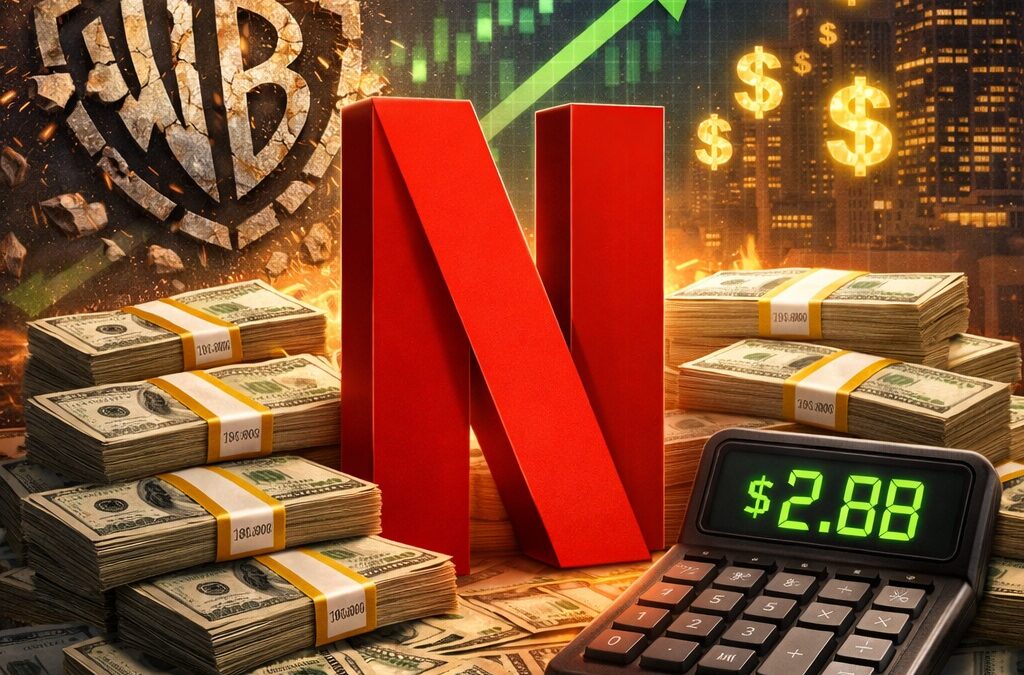
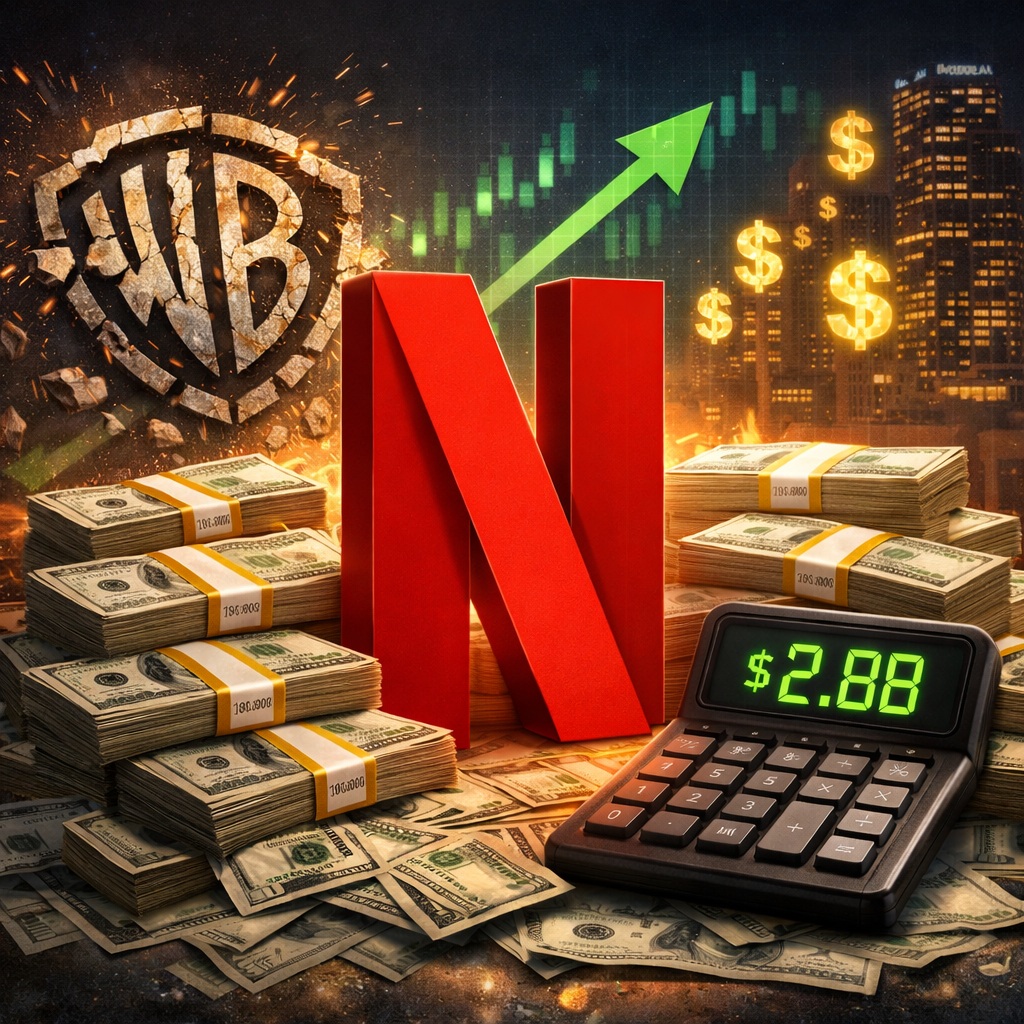
In a significant development within the streaming industry, Netflix has announced its decision to step away from an anticipated deal with Warner Bros., opting instead to leverage a newly acquired $2.8 billion cash reserve to propel its strategic initiatives. This move, confirmed by Netflix’s Chief Financial Officer, marks a pivotal moment in the company’s financial and content distribution strategy as it navigates an increasingly competitive streaming landscape.
Related: US Institute of Peace Renamed for Trump After His Administration Reshaped It
Related: This Can’t Be the Future Meghan Markle Envisioned
Related: Multiple Afghans Arrested by ICE in Albany Amid Crackdown After D.C. Shooting
Background: The Warner Bros. Deal That Didn’t Materialize
Negotiations between Netflix and Warner Bros. had generated considerable attention, with industry observers speculating on the potential impact of such a partnership on the streaming ecosystem. Warner Bros., a major content producer and rights holder, has been a key player in licensing and distributing high-profile films and TV content. Netflix’s pursuit of this deal was seen as an effort to bolster its content library and reinforce its market position amidst intensifying competition from rival platforms.
However, after extensive discussions, Netflix opted to withdraw from the agreement. While specific terms and reasons for this decision remain confidential, sources indicate that strategic financial considerations and evolving market dynamics influenced the choice.
Financial Implications of Walking Away
Netflix’s CFO revealed that the company now holds an additional $2.8 billion in cash that it did not have weeks ago. This substantial liquidity injection provides Netflix with enhanced flexibility to pursue content acquisition, original production, technology investments, and other growth initiatives without the immediate pressure to commit to large-scale licensing deals.
This financial position is particularly relevant as streaming services face rising content costs, shifting consumer preferences, and the need to innovate user engagement. The $2.8 billion reserve strengthens Netflix’s balance sheet and could allow for more measured, strategic investments rather than reactive expenditures.
Strategic Shift: Moving Forward Independently
Walking away from the Warner Bros. deal signals Netflix’s intent to pivot toward a more autonomous approach to content creation and acquisition. The company has been increasingly focused on developing original programming, which not only differentiates its service but also retains full control over intellectual property rights and distribution.
This approach aligns with Netflix’s broader strategy to reduce dependency on third-party content, which often comes with complex licensing terms and expiration risks. By investing more heavily in originals and selective acquisitions, Netflix aims to sustain its subscriber base and attract new viewers through exclusive, compelling content.
Potential Areas of Investment
- Original Content Production: Increasing budgets for in-house productions across diverse genres and regions.
- Technology Enhancements: Improving streaming quality, personalization algorithms, and user interface features.
- Global Market Expansion: Targeting emerging markets with tailored content and pricing models.
- Strategic Partnerships: Collaborating with independent studios and creators to source unique content.
Industry Context: Streaming Market Challenges and Opportunities
The streaming industry is characterized by rapid shifts, with multiple players vying for consumer attention amid market saturation. Content costs have escalated, driven by competition for premium rights and talent. Additionally, consumer behavior is evolving, with preferences for interactive content, ad-supported models, and mobile viewing gaining traction.
Netflix’s decision reflects an understanding of these dynamics. By maintaining a strong cash position and focusing on proprietary content, the company can better navigate economic uncertainties and competitive pressures.
Competition Landscape
- Disney+ and HBO Max: Major competitors with deep content libraries and franchise IPs.
- Amazon Prime Video: Leveraging e-commerce integration and diverse content offerings.
- Emerging Platforms: Niche services targeting specific demographics or genres.
Such competition underscores the importance of Netflix’s strategic cash reserve and content autonomy as it seeks to maintain leadership.
Consumer Impact and Market Reception
For subscribers, Netflix’s focus on original content could translate to a steady flow of exclusive programming not available elsewhere. This may enhance user satisfaction and reduce churn. However, the absence of Warner Bros. licensed content might disappoint some viewers, depending on the scale of titles involved.
From a pricing perspective, Netflix’s financial flexibility may allow it to explore diverse subscription models, including tiered pricing, ad-supported options, or bundled services, though no formal announcements have been made.
Expert Insights
Industry analysts note that Netflix’s strategic recalibration is a prudent response to an increasingly complex market. A senior media strategist commented that “retaining a strong cash position and emphasizing original IP allows Netflix to control its destiny and innovate more freely.” Another expert highlighted that “while licensing deals can provide short-term gains, owning content is critical for long-term sustainability in streaming.”
Financial advisors emphasize that the $2.8 billion reserve enhances Netflix’s ability to weather economic cycles and invest in emerging technologies such as interactive storytelling and AI-driven personalization.
Looking Ahead: Netflix’s Growth Trajectory
With a robust cash reserve and a clear strategic direction, Netflix is poised to continue innovating in content and technology. Key areas to watch include expansion into underpenetrated international markets, increased investment in localized content, and experimentation with new viewing formats.
The company’s agility in adapting to market conditions and consumer trends will be critical to sustaining its competitive edge. Investors and industry watchers will closely monitor how Netflix allocates its capital and the impact on subscriber growth and profitability.
Conclusion
Netflix’s decision to walk away from the Warner Bros. deal and capitalize on a $2.8 billion cash reserve marks a decisive moment in the company’s evolution. By prioritizing financial strength and content independence, Netflix is positioning itself to navigate the challenges and opportunities of the current streaming landscape effectively.
This strategic approach underscores Netflix’s commitment to innovation, subscriber value, and long-term growth. As the streaming market continues to evolve, Netflix’s financial and content strategies will be key indicators of its sustained leadership and industry influence.
- Los Gatos ‘Party Mom’ Who Supplied Teens With Alcohol and Pressured Them Faces Lengthy Jail Sentence

- Anti-AIPAC Group Faces Setback as Rep. Valerie Foushee Wins Primary Battle

- Texas Judge Declines to Close Camp Mystic but Bars Construction on Flood-Damaged Campus

- Netflix, After Walking Away From Warner Bros. Deal, Will Move Forward With $2.8 Billion Cash Reserve, CFO Says

- Democratic Rivals in Close Senate Primary Amid Texas Polling Confusion