
Overview of the Current Outbreak
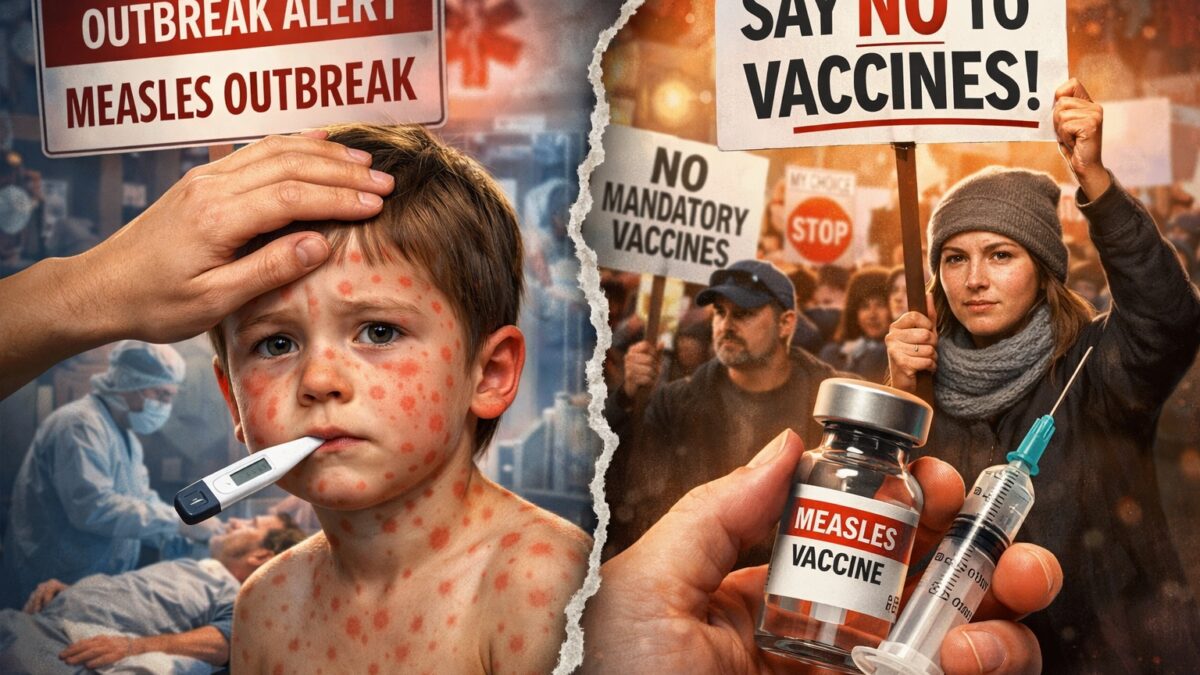
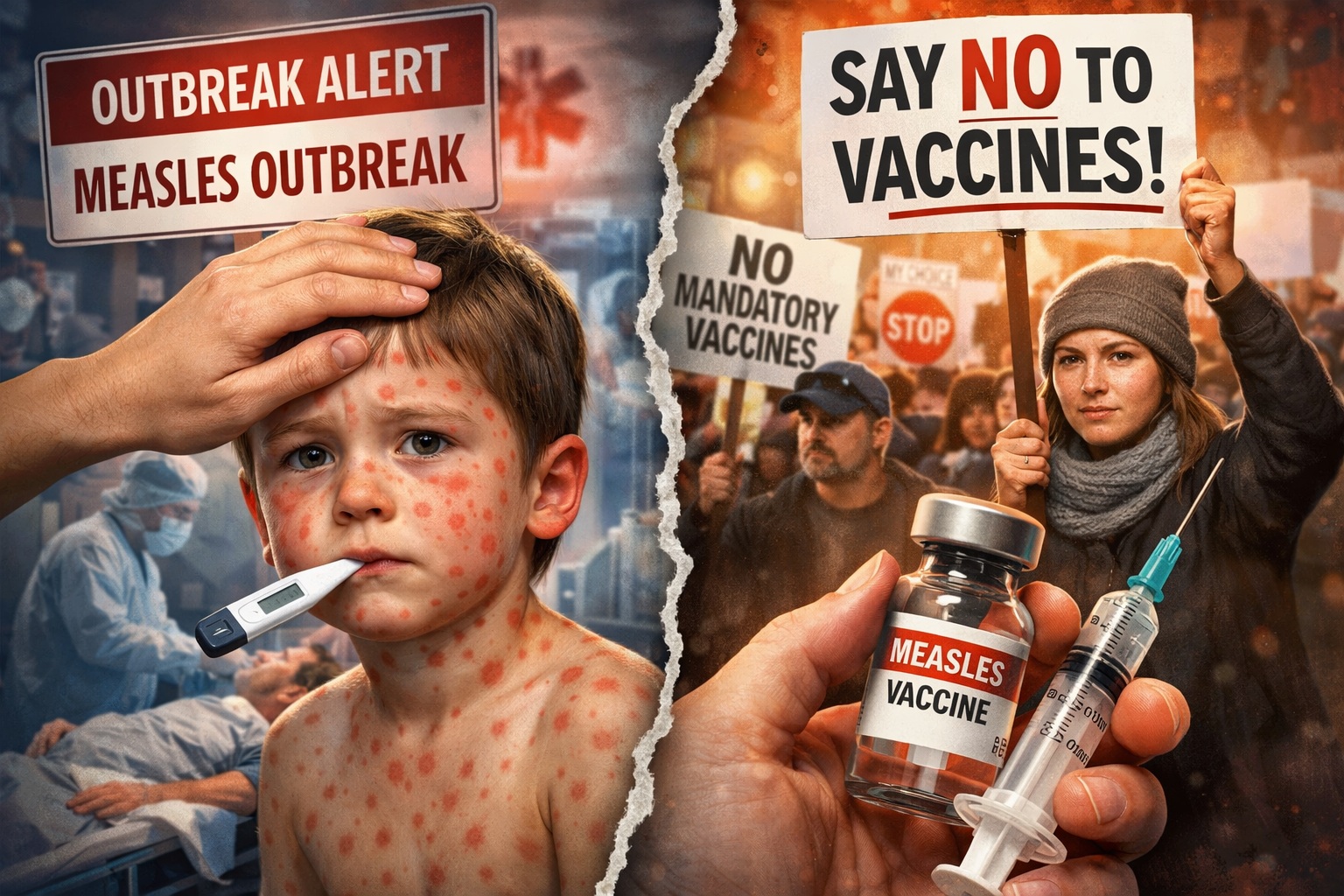
South Carolina is confronting its most significant measles outbreak since the disease was declared eliminated in the United States in 2000. Over the past weeks, state health officials have reported a rapidly increasing number of confirmed measles cases, prompting widespread concern among public health experts and the general population alike.
Related: U.S. Brokers First Direct Israel-Lebanon Talks in Decades
Related: In tight Tennessee congressional race, Republican Matt Van Epps pulls out victory
Related: Search for Light Sterile Neutrinos with Two Neutrino Beams at MicroBooNE
The outbreak is concentrated in several counties but has the potential to spread further due to pockets of unvaccinated individuals. Health authorities attribute this resurgence largely to growing vaccine skepticism, which has led to declining immunization rates in affected communities.
Background: Measles and Vaccination History
Measles is a highly contagious viral disease that can lead to severe complications, including pneumonia, encephalitis, and even death, especially among young children and immunocompromised individuals. The introduction of the measles vaccine in the 1960s drastically reduced the incidence of the disease.
By 2000, widespread vaccination efforts resulted in the elimination of endemic measles transmission in the U.S. This milestone was achieved by maintaining high vaccination coverage through the measles-mumps-rubella (MMR) vaccine.
However, in recent years, vaccine hesitancy and misinformation have led to reduced vaccine uptake in certain populations, undermining herd immunity and enabling outbreaks to occur.
Factors Driving Vaccine Skepticism in South Carolina
Vaccine skepticism in South Carolina is multifaceted. Social, cultural, and informational factors contribute to reluctance or refusal to vaccinate. Some of the key drivers include:
- Misinformation and Disinformation: The spread of inaccurate information about vaccine safety through social media and other channels has fueled fears and doubts.
- Religious and Philosophical Beliefs: Certain communities hold beliefs that oppose vaccination, sometimes supported by state laws allowing non-medical exemptions.
- Lack of Trust in Healthcare Systems: Historical and ongoing disparities in healthcare access and communication can reduce confidence in public health recommendations.
- Political Polarization: Vaccination has increasingly become a politicized issue, influencing individual decisions beyond scientific evidence.
Public Health Response and Challenges
The South Carolina Department of Health and Environmental Control (DHEC) has intensified efforts to control the outbreak through a combination of strategies:
- Enhanced Surveillance: Identifying and tracking cases to understand transmission patterns.
- Community Outreach: Engaging local leaders and healthcare providers to promote vaccination and dispel myths.
- Vaccination Clinics: Increasing availability of vaccines through mobile units and extended clinic hours.
- Public Education Campaigns: Utilizing traditional and digital media to communicate the risks of measles and benefits of vaccination.
Despite these efforts, challenges remain. Vaccine access disparities, mistrust, and exemption laws complicate containment measures. Moreover, measles’ high contagion means even small decreases in vaccination rates can lead to outbreaks.
Implications for Public Health and Society
The outbreak underscores critical public health implications:
- Threat to Herd Immunity: Sustained vaccine skepticism threatens the community protection that prevents outbreaks.
- Healthcare System Strain: Measles cases require considerable medical attention, potentially burdening hospitals and clinics.
- Economic Impact: Outbreak management costs, lost productivity, and potential school closures have economic repercussions.
- Vulnerable Populations at Risk: Infants, elderly, and immunocompromised individuals face heightened risk during outbreaks.
Furthermore, outbreaks can erode public confidence in health systems if not managed effectively, emphasizing the need for transparent communication and community engagement.
Expert Insights
Public health experts emphasize that the resurgence of measles in South Carolina reflects broader national and global trends where vaccine hesitancy is undermining infectious disease control. They note the following key points:
- Importance of Trust: Building trust between communities and healthcare providers is crucial to overcoming skepticism.
- Role of Education: Evidence-based education that addresses concerns empathetically can improve vaccine acceptance.
- Policy Measures: Reviewing exemption policies and considering mandates during outbreaks can be effective but require balancing public health with individual rights.
- Community Involvement: Partnering with local leaders and influencers can enhance outreach and credibility.
Experts also highlight the need for sustained investment in public health infrastructure to respond promptly to outbreaks and prevent future occurrences.
Consumer Impact and What Residents Should Know
For residents of South Carolina, the outbreak presents several important considerations:
- Vaccination is the Best Protection: Ensuring timely MMR vaccination for children and eligible adults is critical.
- Recognize Symptoms: Early signs of measles include high fever, cough, runny nose, red eyes, and a characteristic rash.
- Seek Medical Advice: Anyone experiencing symptoms or exposed to measles should consult healthcare providers promptly.
- Stay Informed: Follow updates from trusted public health sources and participate in community vaccination programs.
Parents and caregivers should verify vaccination records and discuss any concerns with healthcare professionals to make informed decisions.
Forward-Looking Analysis
The South Carolina measles outbreak serves as a cautionary example of the consequences of declining vaccination coverage. Looking ahead, several considerations arise:
- Strengthening Immunization Programs: Enhancing accessibility, affordability, and convenience of vaccines remains a priority.
- Combating Misinformation: Proactive strategies to address vaccine myths through digital literacy and targeted communication are essential.
- Policy Reevaluation: States may need to reconsider exemption policies, especially in the face of outbreaks, to protect public health.
- Global Health Connections: Measles outbreaks anywhere pose risks everywhere, emphasizing interconnectedness and the need for cooperation.
- Research and Innovation: Continued development of vaccines and delivery methods can improve uptake and acceptance.
Ultimately, sustained efforts involving government, healthcare, communities, and individuals are necessary to prevent measles and other vaccine-preventable diseases from reemerging as significant public health threats.
Conclusion
The largest measles outbreak in South Carolina since 2000 highlights the critical dangers posed by vaccine skepticism and declining immunization rates. While the disease had been eliminated in the U.S. through effective vaccination programs, recent trends have eroded this achievement.
Addressing this public health challenge requires a multifaceted approach that reinforces trust, counters misinformation, ensures vaccine access, and involves community engagement. The current outbreak serves as a powerful reminder of the importance of vaccination—not only as an individual choice but as a collective responsibility to safeguard community health.
As the situation evolves, ongoing monitoring, transparent communication, and decisive public health actions will be vital to curbing the outbreak and preventing similar occurrences in the future.
- Democratic Rivals in Close Senate Primary Amid Texas Polling Confusion
- Why ‘Quantum Proteins’ Could Be the Next Big Thing in Biology – Nature

- Study Finds ChatGPT Health Under-Triaged Half of Medical Emergencies, Raising Concerns About AI in Healthcare

- In South Carolina Measles Outbreak, Vaccine Skepticism Led to Largest Outbreak Since 2000
- Ayatollah Ali Khamenei’s Son Emerges as Leading Choice to Be His Successor – The New York Times