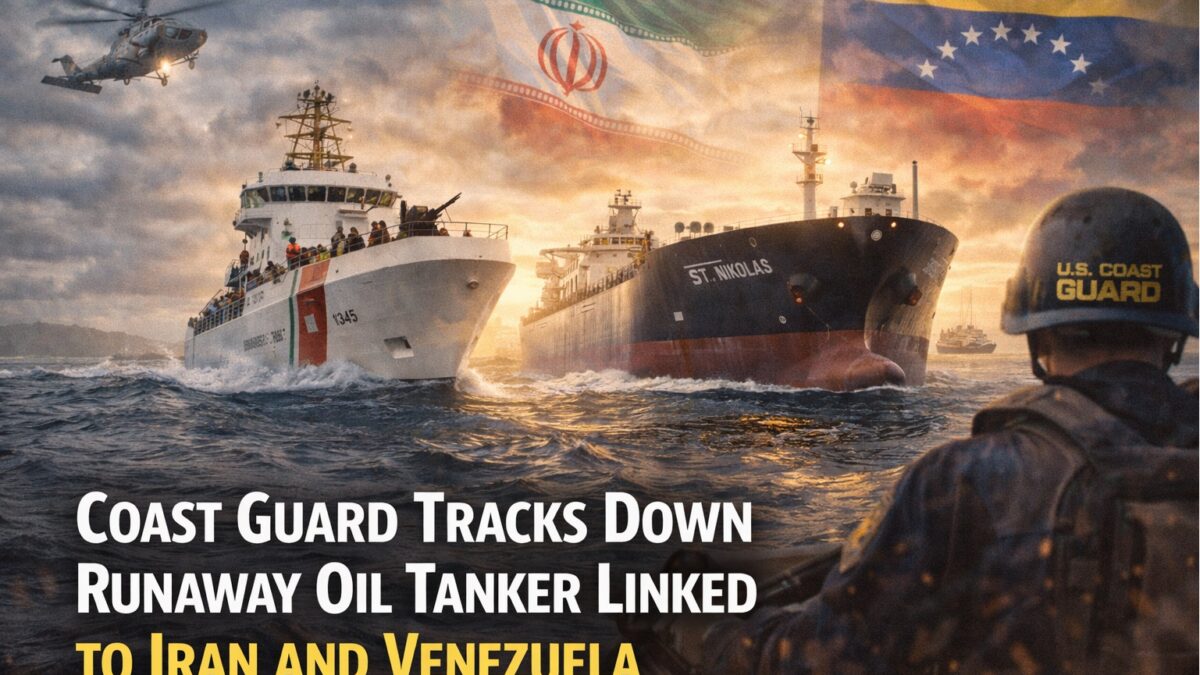
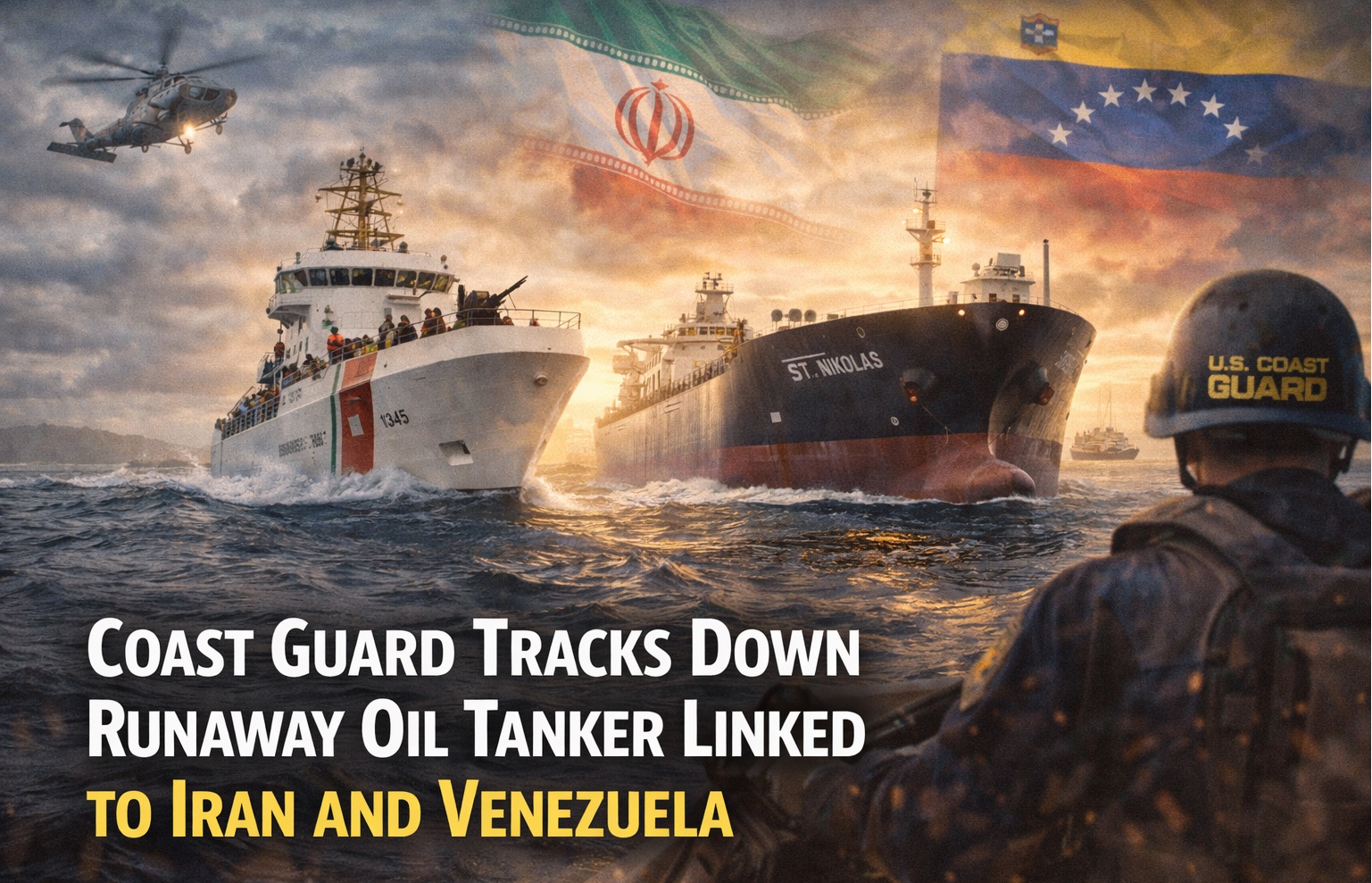
The United States Coast Guard has successfully located and tracked a large oil tanker reportedly connected to Iran and Venezuela, marking a significant development in maritime security and international sanctions enforcement. The tanker, which had evaded monitoring efforts, was identified through a coordinated intelligence operation and brought under close surveillance within the last 24 hours.
Related: How Belgium Became Russia’s Most Valuable Asset
Related: In tight Tennessee congressional race, Republican Matt Van Epps pulls out victory
Related: How Belgium Became Russia’s Most Valuable Asset
Background of the Incident
The vessel in question is believed to be involved in the transportation of crude oil between Iran and Venezuela, two countries that face extensive US and international sanctions. These sanctions aim to restrict their ability to export oil, a vital source of revenue for both governments. This tanker’s actions have raised concerns due to its evasion of standard tracking mechanisms and ambiguous routing, which have complicated efforts to enforce maritime laws.
Runaway or uncooperative vessels have increasingly become a challenge for agencies enforcing sanctions, especially those with geopolitical implications. The Coast Guard’s intervention in this case highlights both the complexity and urgency associated with these enforcement missions.
Tracking and Interception Efforts
The Coast Guard’s operation combined satellite data, maritime intelligence, and collaboration with allied agencies to pinpoint the tanker’s location. The vessel had reportedly turned off its automatic identification system (AIS), a maritime tracking technology designed to prevent collisions and enhance transparency in shipping. Turning off AIS is a common tactic used by vessels attempting to evade detection.
Authorities detected suspicious behavior patterns including irregular course changes and attempts to mask the ship’s identity by altering its flag registration and name. These tactics are frequently employed by ships involved in sanction evasion or illicit maritime activity.
- Use of satellite imagery and signals intelligence to track the vessel despite AIS shutdown
- Coordination with international maritime security organizations to monitor the tanker’s route
- Deployment of Coast Guard assets to intercept and verify the tanker’s cargo and compliance
Geopolitical and Economic Context
The ongoing tensions between the United States and both Iran and Venezuela form the backdrop to this incident. US sanctions have aimed to curtail the ability of these nations to export oil, thereby limiting funding for their respective governments. In response, both countries have developed sophisticated methods to circumvent sanctions, including the use of complex shipping networks and intermediary vessels.
This tanker’s attempted clandestine operation underscores the persistent challenges faced by enforcement agencies. The incident also reflects broader trends in global energy markets where sanctioned countries seek alternative trade routes and partners to sustain their economies.
Impact on Global Oil Markets
While this single operation may not immediately shift oil prices, it contributes to the uncertainty in global supply chains. Oil traders and analysts closely watch such enforcement actions as they signal potential disruptions or tightening of supply, especially from sanctioned regions.
Moreover, the ability of sanctioned nations to continue exporting oil through covert means can undermine the effectiveness of sanctions regimes, thereby influencing market dynamics and diplomatic negotiations.
Legal and Regulatory Implications
The Coast Guard’s intervention aligns with international maritime law and US sanctions policy. Ships engaged in sanction evasion can face detention, seizure, or other legal consequences. This operation reaffirms the US commitment to uphold its sanctions and maritime security protocols.
The incident also raises questions about the adequacy of current regulatory frameworks and the need for enhanced international cooperation to monitor and regulate maritime commerce effectively.
- Enforcement of sanctions through maritime interdiction
- Challenges posed by flag-hopping and ship identity alteration
- Necessity for improved tracking technologies and intelligence sharing
Consumer and Industry Impact
For consumers, such enforcement efforts aim to maintain the integrity of international trade laws and prevent market distortions caused by illicit activities. Energy companies and shipping industries face increased scrutiny and regulatory compliance costs as a result of tightened monitoring.
Shipping firms operating in or near sanctioned regions must navigate complex legal environments and potential reputational risks. This incident serves as a reminder of the operational risks inherent in global maritime logistics.
Expert Insights
Industry analysts emphasize that the Coast Guard’s successful tracking of the tanker showcases advancements in maritime surveillance capabilities. Experts note that integrating satellite data with real-time intelligence allows authorities to counter increasingly sophisticated evasion tactics.
Maritime security professionals highlight that sanction evasion is a persistent issue requiring coordinated international responses. They recommend enhanced multilateral frameworks to improve transparency in shipping operations and reduce illicit activities.
Energy market specialists suggest that while enforcement actions may temporarily disrupt illicit shipments, underlying geopolitical tensions and economic incentives will continue to drive such activities unless addressed through diplomacy and policy reforms.
Looking Forward
Going forward, the Coast Guard and allied agencies are expected to increase focus on sanction enforcement in maritime domains. Investments in surveillance technology and international cooperation are anticipated to be key strategies in addressing similar challenges.
On the diplomatic front, this incident may influence ongoing negotiations and policy discussions related to sanctions and regional security. Monitoring developments in maritime enforcement will remain critical for stakeholders in energy, trade, and security sectors.
Conclusion
The Coast Guard’s successful tracking of a runaway oil tanker linked to Iran and Venezuela represents a significant enforcement achievement amidst complex geopolitical tensions. This operation highlights the evolving challenges in maritime security, sanction enforcement, and global energy markets.
As sanctioned countries continue to seek ways around restrictions, authorities must adapt with enhanced technologies and international collaboration. For consumers and industries alike, such efforts are essential to uphold the rule of law, market stability, and transparent global trade.
Coast Guard Tracks Down Runaway Oil Tanker Linked to Iran and Venezuela
- Coast Guard Tracks Down Runaway Oil Tanker Linked to Iran and Venezuela
- Trump Rings in Christmas Day with Flurry of Posts Denouncing Perceived Foes and Casting Doubt on the 2020 Election

- Saudi Arabia Urges Yemen’s Separatists to Withdraw from Two Governorates Amid Coalition Strains

- House and Senate Committees Launch Investigations into Reported Second Strike on Alleged Drug Boat

- One Year On From Martial Law Crisis, South Korea Celebrates Its Democracy’s Resilience