
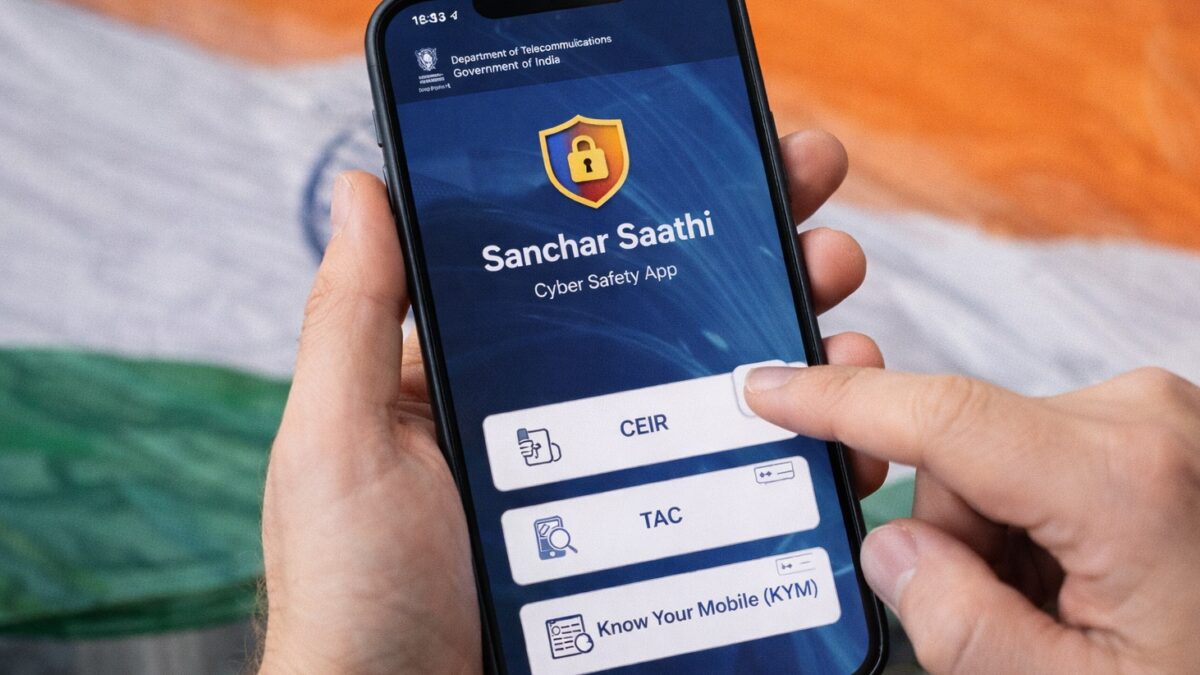
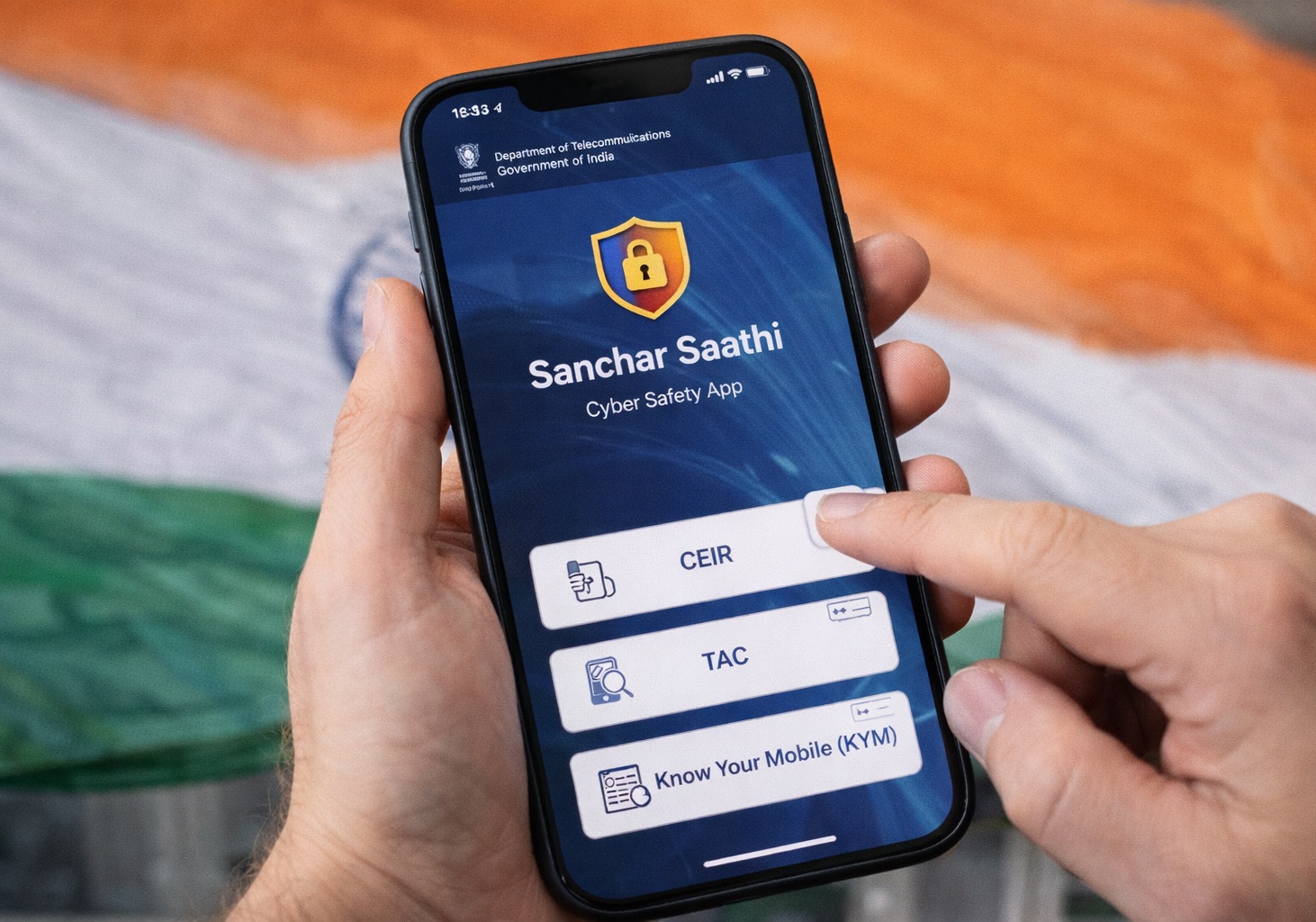
In a significant development impacting digital privacy and cybersecurity policy in India, the government has withdrawn its directive mandating smartphone manufacturers to pre-install the Sanchar Saathi app on mobile devices. The app, designed as a state-run initiative to enhance cyber safety and assist mobile users in managing their telecom services, was to be pre-installed on devices sold in the Indian market. This decision has sparked discussions around user consent, data privacy, and the balance between security and personal freedom.
Related: The Switch 2 Remains Available at Multiple Retailers After Cyber Monday
Related: Red Dead Redemption’s Free Remaster Upgrade Now Available on Xbox
Related: Test Headline for Long Article Generation
Background of the Sanchar Saathi App
Sanchar Saathi, launched by the Indian government, is a cybersecurity tool aimed at empowering mobile users with features such as SIM card monitoring, fraud detection, and assistance in reporting lost or stolen phones. The app was developed to address growing concerns over telecom fraud, unauthorized SIM activations, and cybercrime targeting mobile users.
The government’s original directive instructed smartphone makers to have this app pre-installed on all devices, intending to provide immediate access to these protective features without requiring users to download the application themselves. However, this move raised several concerns among privacy advocates, consumer rights groups, and industry stakeholders.
Reasons Behind Scrapping the Pre-installation Order
Within the last 24 hours, authorities officially revoked the pre-installation requirement. Several reasons contributed to this reversal:
- Privacy and Data Security Concerns: Experts and civil society groups highlighted potential risks in mandating a government-managed app with deep access to user data. The concerns focused on transparency in data handling, user consent, and the scope of data collection.
- User Autonomy and Consent: Mandating pre-installation was seen as infringing on user choice. Many argued that consumers should have the freedom to decide whether to install and use such apps, especially when they involve sensitive personal information.
- Industry Pushback: Smartphone manufacturers and operating system providers expressed reservations, citing technical challenges and the potential impact on device performance and user experience.
- Legal and Regulatory Ambiguity: Questions arose regarding the legal framework supporting the directive, including compliance with India’s Information Technology laws and global standards on digital rights.
Implications for Consumers and the Telecom Industry
The government’s decision has multifaceted implications for various stakeholders:
For Consumers
- Enhanced Privacy Protections: Users retain control over which apps to install, reducing concerns about involuntary data sharing with government entities.
- Access to Cyber Safety Tools: While pre-installation is not mandatory, the app remains available for voluntary download, allowing users to benefit from its features if they choose.
- Awareness and Education Requirements: The decision underscores the need for increased efforts in educating users about cybersecurity risks and available protective tools.
For the Telecom and Tech Industry
- Device Customization Freedom: Manufacturers have flexibility in pre-installed software choices, potentially improving user satisfaction and device performance.
- Regulatory Clarity Needed: The industry anticipates clearer guidelines regarding government-mandated software installations to avoid future ambiguities.
- Security Collaboration Potential: Despite the reversal, there remains scope for cooperation between the government and private sector to enhance cybersecurity frameworks.
Expert Insights on the Reversal
Cybersecurity analysts and digital rights experts have provided nuanced views on this latest development:
- Balancing Security and Privacy: It is widely acknowledged that while cyber safety apps play a crucial role in protecting users, mandates must respect privacy rights and user consent to maintain trust.
- Importance of Voluntary Adoption: Experts suggest that encouraging voluntary usage backed by awareness campaigns may yield better long-term engagement than compulsory installations.
- Need for Transparent Data Practices: Industry voices emphasize that government-backed applications should adopt transparent data governance policies to alleviate privacy concerns.
- Global Comparisons: Analysts note that similar initiatives internationally have faced comparable challenges, reinforcing the need for a balanced approach to cybersecurity policy.
Contextualizing the Decision Within India’s Cybersecurity Landscape
India, with its rapidly expanding smartphone user base and increasing digital transactions, faces unique cybersecurity challenges. The government has launched multiple initiatives aimed at improving digital safety, including awareness drives, regulatory frameworks, and technological tools.
The Sanchar Saathi app is part of this broader strategy to combat telecom-related cybercrime. However, as the digital ecosystem evolves, so do expectations around privacy rights, informed consent, and data protection.
This recent policy reversal reflects an adaptive governance approach, where authorities are recalibrating strategies to align with both security imperatives and fundamental rights.
Forward-looking Analysis
Moving forward, the following trends and considerations are likely to shape India’s approach to cyber safety apps and digital security policies:
- Enhanced User Empowerment: Greater emphasis on user education and voluntary adoption of cybersecurity tools is expected to be a priority.
- Collaborative Policy Making: The government may seek closer collaboration with technology companies, civil society, and privacy experts to develop balanced frameworks.
- Strengthening Legal Safeguards: Legislative efforts aimed at defining clear data protection and digital rights standards will likely influence future directives.
- Technological Innovation: Advances in privacy-preserving technologies, such as encryption and decentralized data management, may be incorporated into cybersecurity solutions.
Conclusion
The decision to scrap the mandatory pre-installation of the Sanchar Saathi app signals a pivotal moment in India’s digital policy landscape. While the government’s intent to enhance consumer protection against cyber threats remains clear, this move acknowledges the paramount importance of privacy, user choice, and transparent governance.
As India continues to navigate the complexities of cybersecurity in an increasingly connected society, fostering trust through balanced policies and inclusive stakeholder engagement will be essential. Consumers, industry players, and policymakers alike must collaborate to build a secure, privacy-respecting digital environment that empowers users without compromising their fundamental rights.
- Los Gatos ‘Party Mom’ Who Supplied Teens With Alcohol and Pressured Them Faces Lengthy Jail Sentence

- Anti-AIPAC Group Faces Setback as Rep. Valerie Foushee Wins Primary Battle

- Texas Judge Declines to Close Camp Mystic but Bars Construction on Flood-Damaged Campus

- Netflix, After Walking Away From Warner Bros. Deal, Will Move Forward With $2.8 Billion Cash Reserve, CFO Says

- Democratic Rivals in Close Senate Primary Amid Texas Polling Confusion