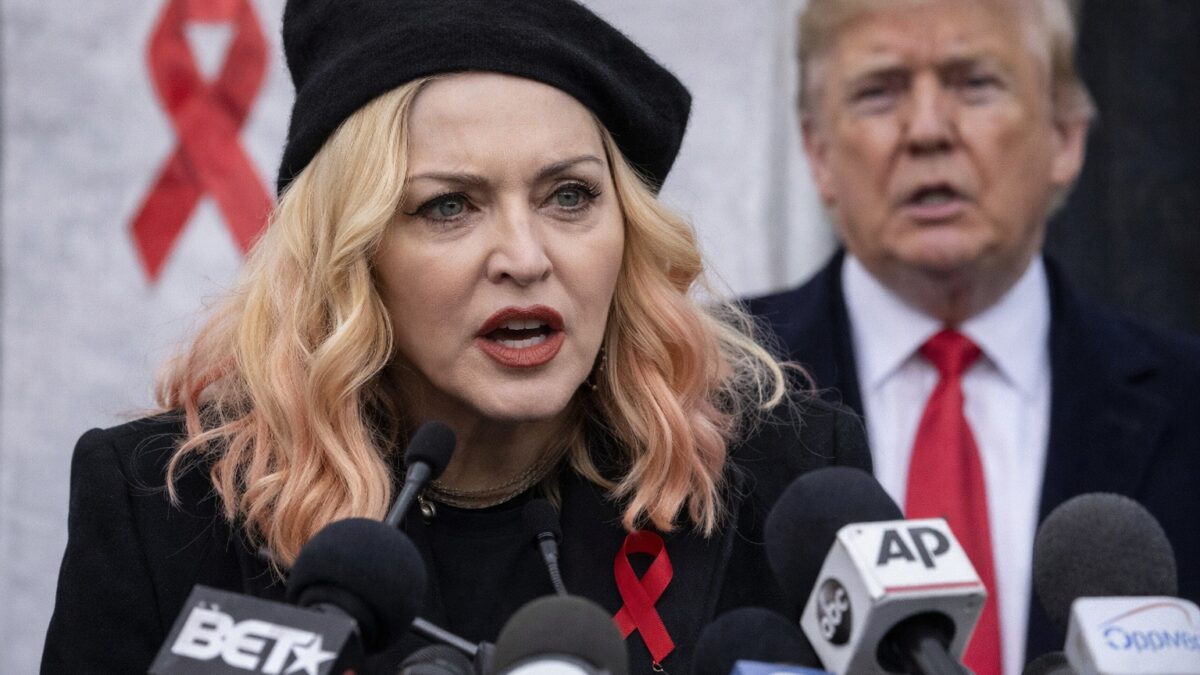
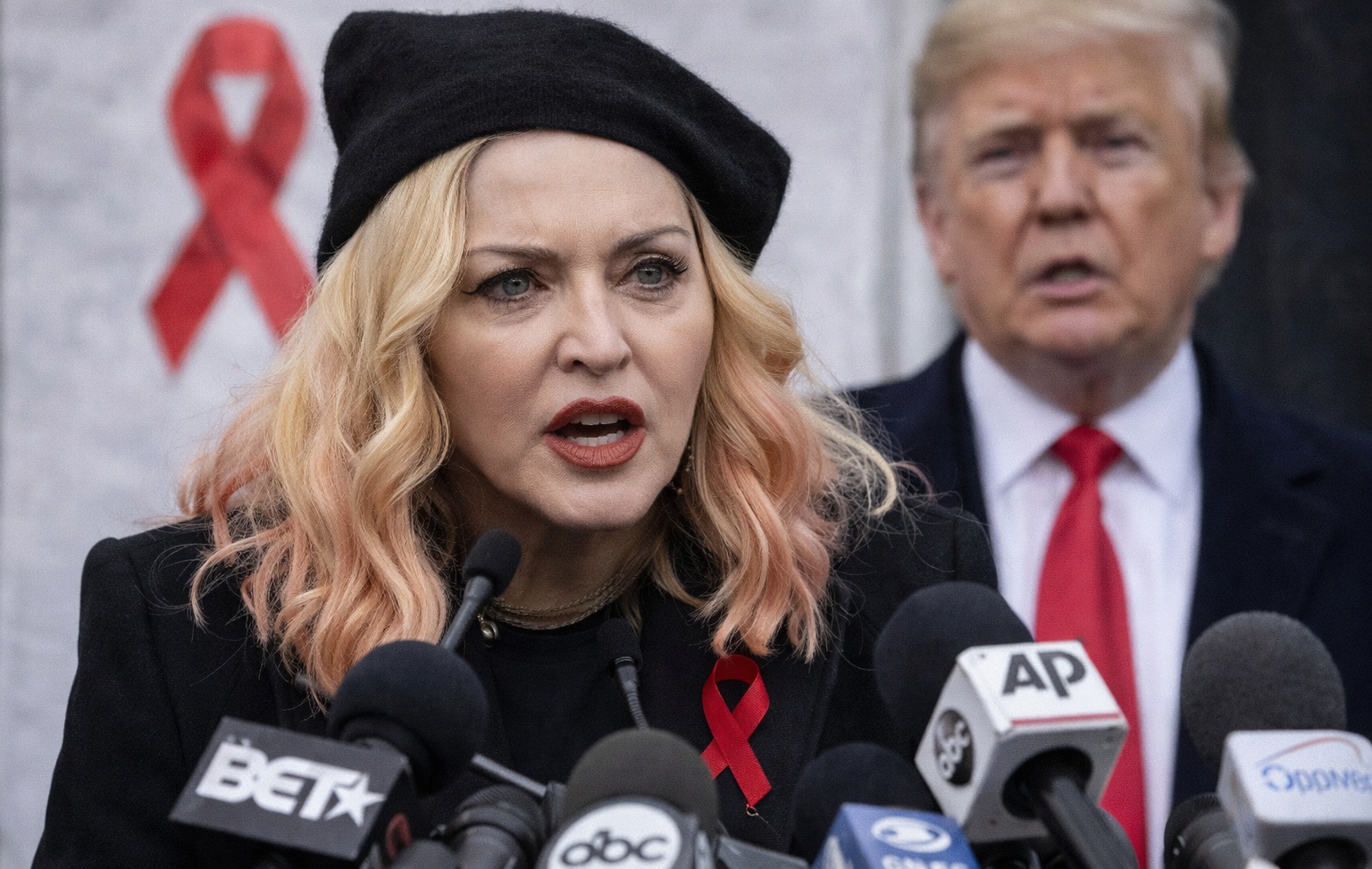
In a recent and outspoken response that has garnered widespread attention, global pop icon Madonna has sharply criticized former President Donald Trump’s decision to cancel official recognition of World AIDS Day this year. The cancellation, announced within the last 24 hours, has sparked a heated debate among public health advocates, entertainment figures, and political commentators alike.
Related: New York Declares Flu Prevalent; Mask Mandate Enacted for Certain Workers
Related: Trump Highlights ‘Very Good’ Meeting Between Witkoff, Kushner, and Putin
Related: Search for Light Sterile Neutrinos with Two Neutrino Beams at MicroBooNE
Background: The Significance of World AIDS Day
World AIDS Day, observed annually on December 1st, serves as a pivotal moment for raising awareness about HIV/AIDS, honoring those affected, and promoting prevention and treatment efforts globally. Since its inception in 1988, it has become a cornerstone event for governments, nonprofits, and health organizations worldwide.
The day helps to:
- Increase public knowledge about HIV transmission and prevention.
- Mobilize resources for treatment and research.
- Combat stigma and discrimination associated with HIV/AIDS.
- Highlight progress and ongoing challenges in the fight against the epidemic.
Official recognition by governments plays a crucial role in amplifying these messages and ensuring sustained political and financial commitment.
Trump Administration’s Cancellation of World AIDS Day
Within the last 24 hours, it was announced that the Trump administration has opted not to issue a formal statement or organize official events marking World AIDS Day. This decision deviates from longstanding U.S. government practice and has raised concerns among health experts and advocacy groups.
While specific reasons behind the cancellation remain officially undisclosed, analysts suggest the move aligns with broader shifts in the administration’s approach to public health messaging and prioritization of resources.
Critics argue that this action undermines the urgency and attention necessary to combat HIV/AIDS effectively, especially given recent data indicating ongoing challenges in prevention and treatment access.
Madonna’s Response: A Vocal Condemnation
Madonna, known for her decades-long activism in HIV/AIDS awareness and philanthropy, expressed her dismay in a public statement earlier today. She labeled the cancellation as “absurd” and “unthinkable,” emphasizing the critical importance of governmental leadership in health crises.
Her statement highlights the risks of diminishing official recognition, stressing that HIV/AIDS remains a global health challenge that requires continuous attention, funding, and public engagement.
Madonna’s involvement in the fight against HIV/AIDS dates back to the 1980s, and her outspoken advocacy has often influenced public discourse and awareness campaigns. Her reaction reflects broader disappointment among celebrities and activists who view the cancellation as a setback for ongoing efforts.
Implications for Public Health and Awareness
The decision to cancel official observance of World AIDS Day carries significant implications:
- Reduced Visibility: Official statements and events by government entities help keep HIV/AIDS in the public eye, which is essential for education and destigmatization.
- Funding Concerns: High-profile recognition often influences budget allocations for research, treatment programs, and community outreach.
- Global Leadership: The U.S. has historically been a leader in global HIV/AIDS initiatives; withdrawal from formal engagement may impact international collaborations.
- Community Impact: People living with HIV/AIDS may feel marginalized or neglected when official recognition wanes, potentially affecting mental health and support networks.
Public health experts warn that in a year marked by competing health priorities, including emerging infectious diseases, sustained attention to HIV/AIDS is crucial to avoid reversals in progress.
Expert Insights: The Broader Context
Generalized commentary from health policy analysts and advocacy leaders underscores several key points:
- Political Will is Essential: Government acknowledgement of health observances signals commitment that drives policy and funding.
- Stigma Remains a Barrier: Reducing stigma requires continuous public education, which is reinforced by official campaigns and messaging.
- Intersection with Other Health Crises: With global health systems stretched thin, maintaining focus on chronic epidemics like HIV/AIDS is vital to prevent setbacks.
- Role of Influencers: Public figures such as Madonna play an important role in keeping the conversation alive and mobilizing community support.
Experts also note that the cancellation may prompt civil society organizations to intensify grassroots efforts to compensate for the lack of official recognition.
Consumer and Community Impact
The cancellation affects various stakeholders:
- Patients and Survivors: May experience feelings of neglect or invisibility without formal acknowledgment.
- Healthcare Providers: Face challenges in advocacy and outreach without government backing.
- Researchers: Could encounter difficulties in securing funding tied to public health priorities.
- General Public: Risks diminished awareness and misinformation without coordinated campaigns.
Community organizations are expected to ramp up independent events and awareness initiatives to fill the void left by the cancellation.
Looking Ahead: Potential Developments and Responses
In the wake of the cancellation, several developments may emerge:
- Advocacy Intensification: Nonprofits and activists likely will increase pressure on policymakers to reinstate official recognition.
- Alternative Campaigns: Digital and grassroots campaigns may gain prominence to maintain awareness efforts.
- Policy Reevaluation: Future administrations may revisit this decision as part of broader public health strategies.
- International Reactions: Global partners may respond with their own statements or campaigns to reaffirm commitment.
Stakeholders across sectors are watching closely to assess the long-term effects of this unprecedented move.
Conclusion
The cancellation of World AIDS Day recognition by the Trump administration has ignited significant controversy, with Madonna’s vocal condemnation encapsulating the broader frustration from public health advocates and the entertainment community. As HIV/AIDS continues to pose a global health challenge, the absence of official acknowledgment risks undermining awareness, funding, and stigma reduction efforts critical to ongoing progress.
While the decision reflects shifting political priorities, it also underscores the essential role of government leadership and public advocacy in sustaining momentum against persistent health crises. The coming months will reveal how communities and organizations respond to this challenge and whether renewed commitments emerge to ensure that World AIDS Day remains a vital fixture in the global health calendar.
- Los Gatos ‘Party Mom’ Who Supplied Teens With Alcohol and Pressured Them Faces Lengthy Jail Sentence

- Anti-AIPAC Group Faces Setback as Rep. Valerie Foushee Wins Primary Battle

- Texas Judge Declines to Close Camp Mystic but Bars Construction on Flood-Damaged Campus

- Netflix, After Walking Away From Warner Bros. Deal, Will Move Forward With $2.8 Billion Cash Reserve, CFO Says

- Democratic Rivals in Close Senate Primary Amid Texas Polling Confusion