
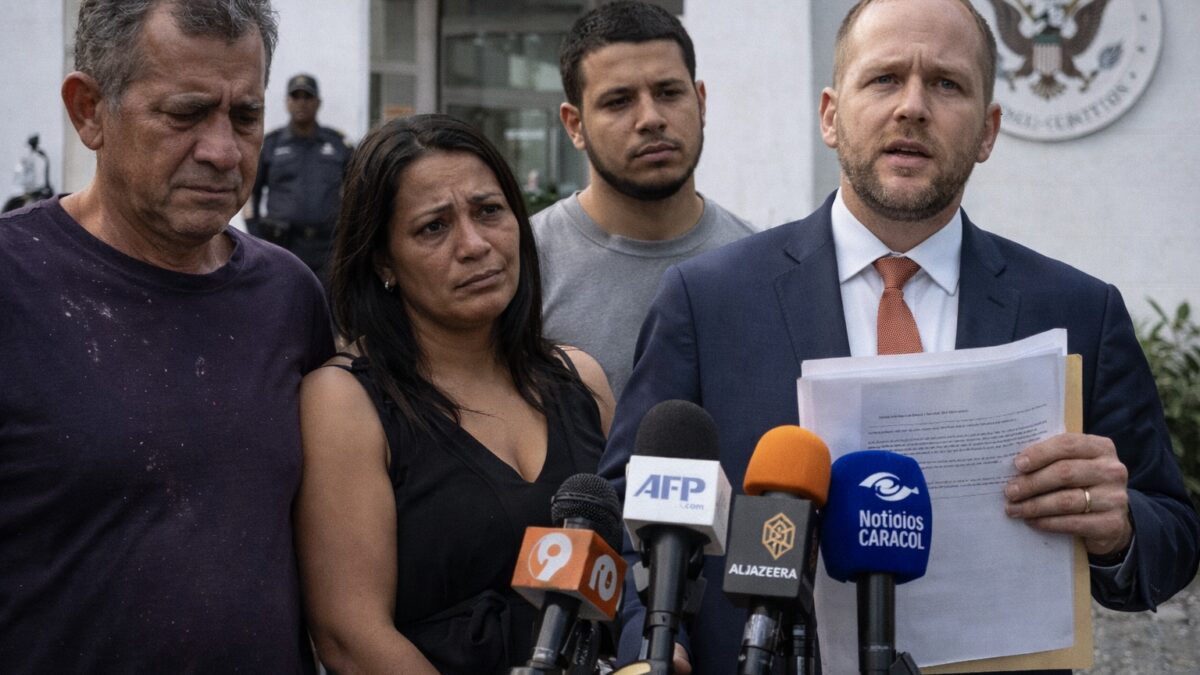
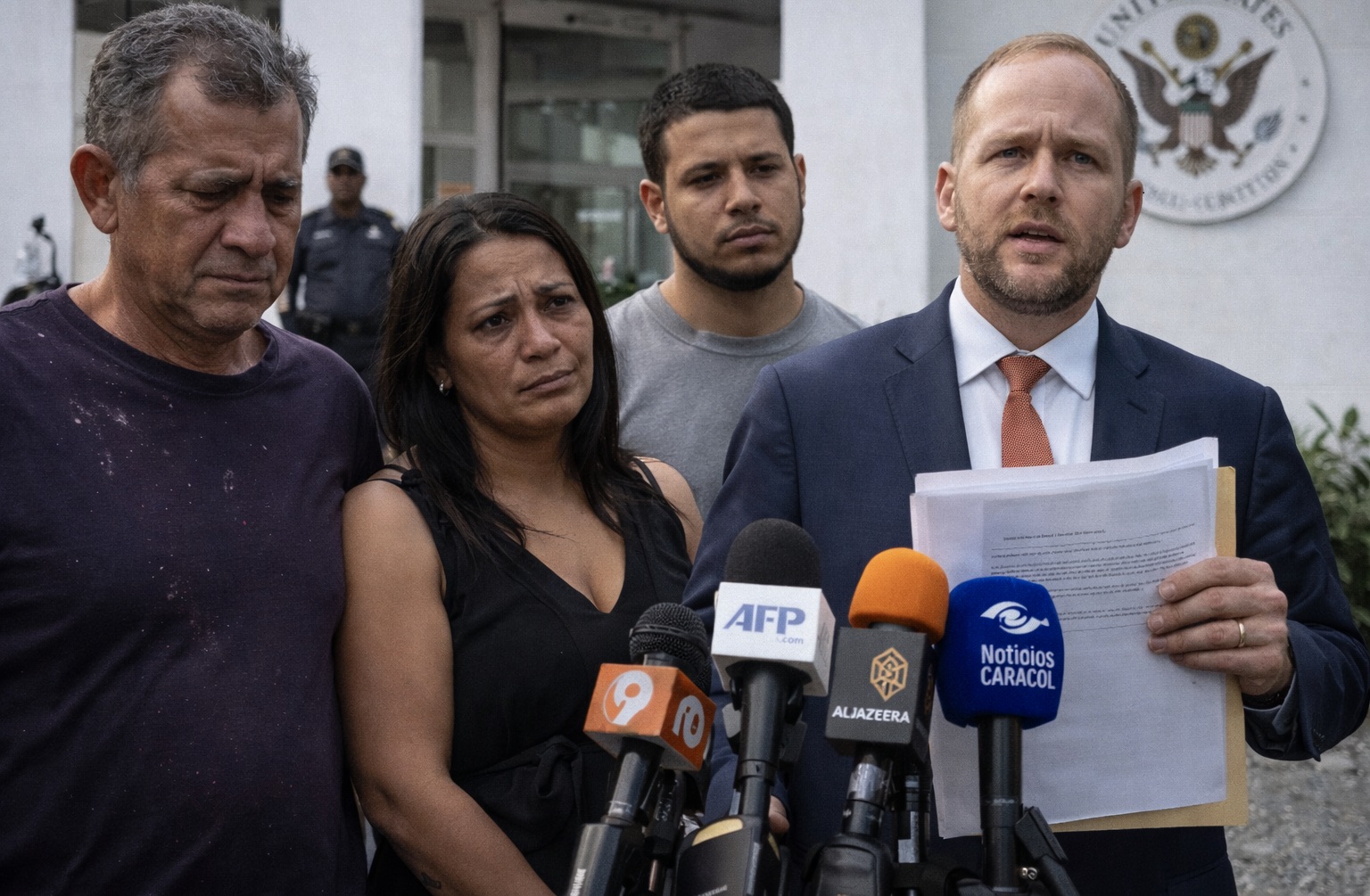
A Colombian family has taken a significant step by filing the first known formal complaint following a deadly US military strike in the Caribbean region. The incident, which occurred recently, led to civilian casualties and has sparked intense scrutiny over the legality, transparency, and humanitarian impact of such operations. This article examines the background of the strike, the formal complaint’s details, broader implications for international relations, and the future outlook for accountability in military actions.
Related: New Details Emerge in Deadly Shooting of Two National Guard Members
Related: In tight Tennessee congressional race, Republican Matt Van Epps pulls out victory
Related: How Belgium Became Russia’s Most Valuable Asset
Background of the US Military Strike
Within the last 24 hours, reports have emerged about a US military operation conducted in the Caribbean, targeting what officials described as a high-value militant group. While the US government maintains that the strike was necessary for regional security and counterterrorism efforts, the operation tragically resulted in the deaths of multiple civilians, including members of a Colombian family residing in the affected area.
Military strikes in the Caribbean have historically been rare but are part of broader efforts to combat transnational criminal organizations and armed groups that operate across borders in the region. The US Department of Defense has emphasized the importance of disrupting these networks to prevent trafficking, terrorism, and threats to US and allied interests.
Details of the Formal Complaint
The Colombian family, represented by legal counsel, submitted a formal complaint to international human rights bodies and relevant US authorities. This complaint marks the first publicly known legal challenge tied directly to the strike. The family alleges that the strike was conducted without adequate intelligence verification and failed to distinguish between combatants and non-combatants, leading to unjustifiable civilian deaths.
The complaint outlines several key grievances:
- Violation of International Law: The family claims the strike breached international humanitarian law principles, including proportionality and distinction.
- Lack of Transparency: There was insufficient disclosure from US authorities regarding the target selection and post-strike assessments.
- Accountability Deficit: The complaint calls for an independent investigation to hold responsible parties accountable and prevent future civilian harm.
- Humanitarian Impact: The family highlights the profound emotional and socioeconomic consequences of the strike on survivors and the local community.
Contextualizing the Strike Within Regional Security Dynamics
The Caribbean has increasingly become a focal point for US security operations due to its strategic location and the presence of illicit networks. These operations aim to disrupt drug trafficking, arms smuggling, and militant activities that threaten regional stability. However, the complexities of operating in such environments raise challenges.
Military actions in multinational and multicultural contexts must navigate diverse legal frameworks and socio-political sensitivities. The involvement of Colombian civilians underscores the transnational nature of these security challenges and the potential for unintended consequences when military force is applied.
Implications for US-Colombian Relations
This incident and the subsequent formal complaint bring new stressors to US-Colombian diplomatic ties. Colombia is a longstanding partner in regional security cooperation, yet civilian casualties linked to US operations can fuel public criticism and diplomatic friction.
Colombian authorities and civil society groups are expected to engage in dialogue with US counterparts to address accountability demands and enhance operational safeguards. This situation may catalyze calls for more inclusive oversight mechanisms and joint investigations to rebuild mutual trust.
Legal and Human Rights Considerations
The formal complaint highlights vital questions about the legal frameworks governing foreign military strikes. International humanitarian law mandates strict adherence to minimizing civilian harm, requiring thorough target verification and post-operation assessments.
Human rights organizations advocate for increased transparency and victim-centered approaches. They emphasize the need for mechanisms that enable affected families to seek redress and for governments to take preventive measures.
The complaint may also prompt discussions within international legal forums about the evolving norms around extraterritorial military actions and the responsibilities of states conducting such operations.
Expert Insights on Military Strikes and Accountability
Military and international law experts note that while counterterrorism and security operations are critical, they must be balanced with stringent oversight to prevent civilian casualties. The complexity of intelligence gathering and operational execution in contested environments often challenges this balance.
Experts stress that:
- Robust pre-strike intelligence validation is essential to minimize errors.
- Post-strike investigations should be transparent, independent, and timely.
- Engaging local communities and governments fosters better situational awareness and legitimacy.
- Legal accountability serves as a deterrent against negligent or reckless military conduct.
These insights point toward the necessity for evolving military doctrines and policies that prioritize human rights alongside security objectives.
Forward-Looking Analysis: What Comes Next?
The filing of the formal complaint opens several potential paths forward. It may trigger formal investigations by US military justice systems or international bodies, depending on jurisdictional determinations.
Diplomatic channels between Colombia and the United States are likely to be activated to address the incident’s fallout and explore reparations or compensation possibilities. Additionally, this case could set a precedent for other affected families seeking justice in similar circumstances.
Furthermore, the incident may prompt policy reviews within the US Department of Defense and allied governments to strengthen safeguards against civilian harm, including enhanced training, stricter operational protocols, and improved accountability frameworks.
Consumer and Public Impact
For the public and consumers of news, this development underscores the ongoing complexities of military actions that often occur far from the American mainland but have direct human consequences. It highlights the importance of informed discourse on the ethical dimensions of security policies and military interventions.
Transparency about such incidents can influence public opinion, potentially affecting political support for overseas military engagements and prompting calls for greater oversight.
Conclusion
The Colombian family’s formal complaint over the deadly US strike in the Caribbean represents a critical moment for accountability in military operations. It brings to light the human cost of security strategies and challenges stakeholders to balance national security with international legal and ethical obligations.
As investigations and diplomatic discussions unfold, the global community will closely observe how justice is pursued and lessons are integrated into future operations. Ensuring transparency, protecting civilian lives, and fostering respectful international cooperation remain paramount objectives in addressing the repercussions of this tragic event.
- Los Gatos ‘Party Mom’ Who Supplied Teens With Alcohol and Pressured Them Faces Lengthy Jail Sentence

- Anti-AIPAC Group Faces Setback as Rep. Valerie Foushee Wins Primary Battle

- Texas Judge Declines to Close Camp Mystic but Bars Construction on Flood-Damaged Campus

- Netflix, After Walking Away From Warner Bros. Deal, Will Move Forward With $2.8 Billion Cash Reserve, CFO Says

- Democratic Rivals in Close Senate Primary Amid Texas Polling Confusion