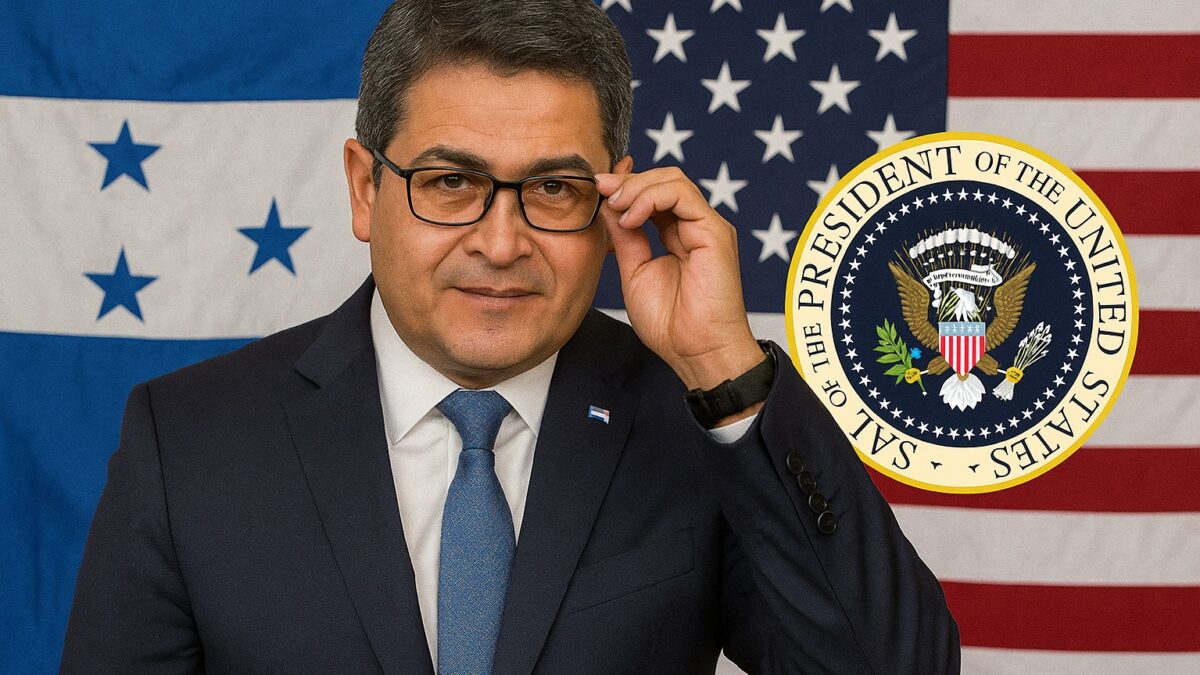
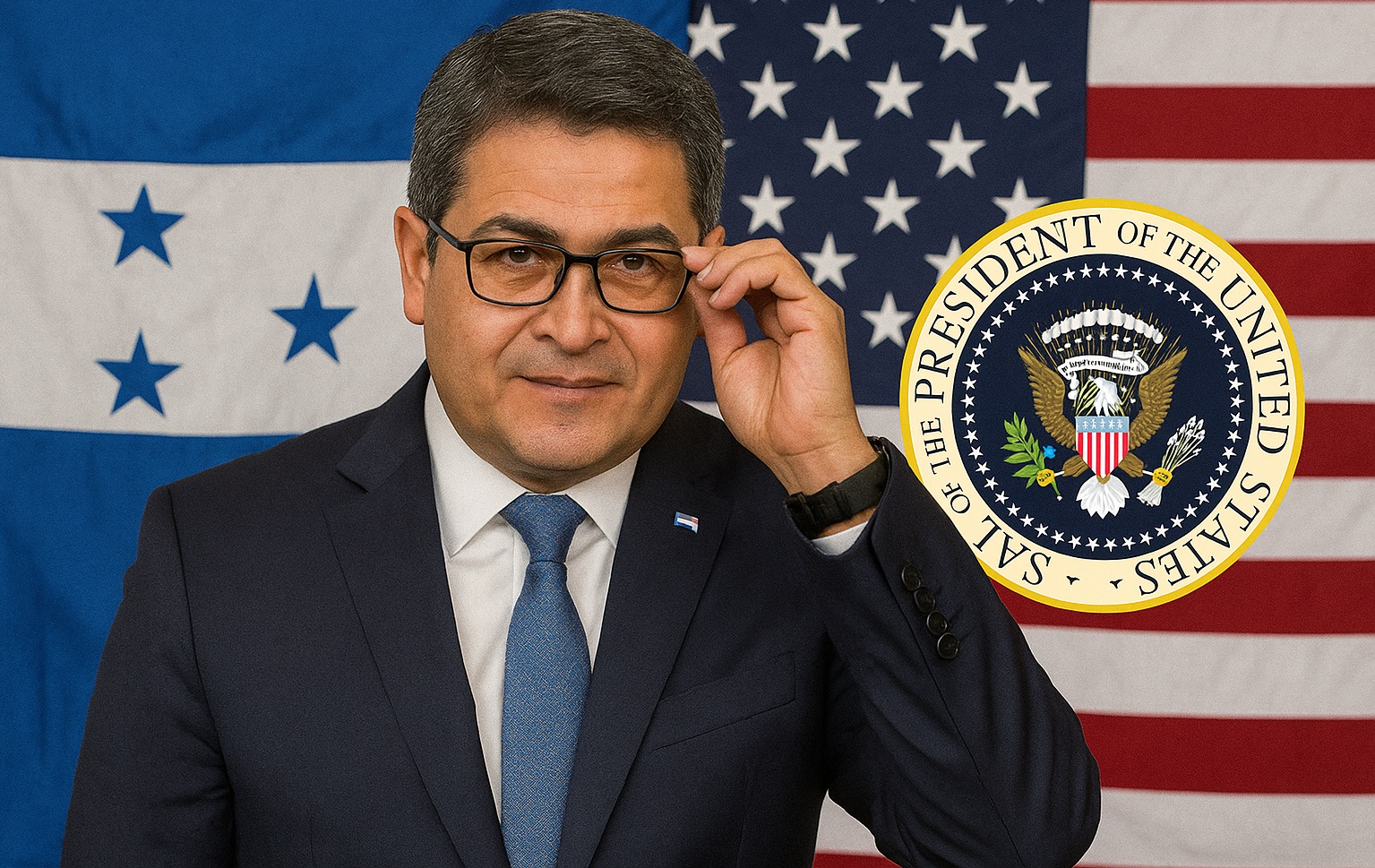
In a significant development within international political and judicial circles, former Honduras President Juan Orlando Hernández has been released from custody following a pardon issued by former U.S. President Donald Trump. This unprecedented move has reignited discussions about the intersection of politics, justice, and international relations, especially concerning allegations of corruption and drug trafficking that have long overshadowed Hernández’s tenure.
Related: Trump Highlights ‘Very Good’ Meeting Between Witkoff, Kushner, and Putin
Related: In tight Tennessee congressional race, Republican Matt Van Epps pulls out victory
Related: How Belgium Became Russia’s Most Valuable Asset
Background on Juan Orlando Hernández’s Presidency and Legal Troubles
Juan Orlando Hernández served as the President of Honduras, a country grappling with entrenched challenges such as political instability, corruption, and narcotics trafficking. His administration was marked by efforts to boost economic growth and security, but these were frequently clouded by accusations of involvement in illicit activities.
Following the conclusion of his presidency, Hernández faced serious legal accusations, primarily centered on alleged links to drug cartels and corruption networks. U.S. federal prosecutors accused him of facilitating drug trafficking operations and accepting bribes, charges that Hernández has consistently denied. His arrest and extradition to the United States for trial reflected the heightened international focus on combating corruption and narcotics within Central America.
The Trump Pardon and Its Immediate Impact
Within the last 24 hours, it was confirmed that former President Donald Trump granted a pardon to Hernández, leading directly to his release. Presidential pardons are a constitutional power in the United States, allowing the executive branch to forgive federal offenses. However, this particular pardon has drawn considerable attention due to its political sensitivity and the gravity of the charges involved.
The pardon effectively halted all ongoing legal proceedings against Hernández in U.S. jurisdiction, prompting his immediate release from detention. This development has provoked varied responses from political analysts, legal experts, and international observers.
Legal and Political Ramifications
- Legal Precedent: The pardon sets a notable precedent concerning foreign leaders facing U.S. judicial scrutiny, raising questions about diplomatic immunity and accountability.
- Political Fallout: The move may affect U.S.-Honduras relations and could influence political dynamics within Honduras, especially among opposition groups demanding transparency and justice.
- International Perceptions: The pardon has implications for how international justice systems handle cases involving allegations of high-level corruption and transnational crime.
Contextualizing the Pardon Within U.S. and Honduran Relations
Honduras has long been a focal point in U.S. foreign policy, particularly in relation to drug interdiction and migration issues. The U.S. has provided various forms of aid and cooperation aimed at stabilizing Honduras and curtailing illicit activities. Hernández’s presidency was critical in these efforts, though his administration’s alleged complicity in illegal operations complicated this partnership.
The pardon introduces a complex dimension to bilateral relations. On one hand, it may ease tensions by removing a contentious figure from legal limbo. On the other, it risks undermining ongoing efforts to promote transparency and rule of law in Honduras. The broader geopolitical context includes concerns about governance in the region and the role of external powers in influencing domestic affairs.
Implications for Anti-Corruption and Drug Trafficking Efforts
The release of Hernández presents both challenges and opportunities for anti-corruption and anti-narcotics initiatives in Central America. His case was emblematic of the difficulties faced by law enforcement agencies in tackling corruption that allegedly reaches the highest levels of government.
- Challenges: The pardon may demoralize investigators and activists who have long sought accountability for corrupt practices.
- Opportunities: It might open new avenues for negotiation and political reform if leveraged by Honduran civil society and international partners.
Experts stress the importance of reinforcing institutional frameworks and judicial independence in Honduras to prevent recurrence of such situations. Continued international cooperation remains vital to combating transnational crime effectively.
Expert Insights
Political analysts note that the pardon reflects the complex interplay between domestic politics and international legal processes. One perspective suggests that pardons in politically charged cases often serve strategic interests rather than purely legal considerations.
Legal experts emphasize the unprecedented nature of pardoning a foreign head of state facing serious accusations in U.S. courts. They highlight the potential impact on the credibility of judicial systems and the message it sends to both perpetrators and victims of corruption.
From a geopolitical standpoint, international relations scholars observe that the pardon could recalibrate alliances and power dynamics within Central America, influencing future cooperation on security and governance.
Consumer and Public Impact
While the pardon primarily concerns political and legal spheres, its ripple effects extend to citizens in Honduras and beyond. For the Honduran populace, the event may affect public trust in government institutions and foreign partnerships.
On a broader scale, the case underscores the challenges faced by societies grappling with corruption and impunity. It serves as a reminder of the critical role that transparency, accountability, and rule of law play in fostering stable, prosperous communities.
Looking Ahead: Future Developments and Monitoring
Moving forward, several key areas warrant close observation:
- Political Stability in Honduras: The impact of Hernández’s release on domestic political discourse and upcoming elections.
- Judicial Reforms: Initiatives aimed at strengthening the independence of Honduras’s judiciary and anti-corruption agencies.
- U.S. Foreign Policy: Potential shifts in U.S. engagement with Honduras and Central America in light of the pardon.
- International Legal Norms: Dialogue on the use of presidential pardons in cases involving foreign nationals and international crimes.
Stakeholders including governments, civil society groups, and international organizations will likely continue to debate and respond to the consequences of this development over the coming months.
Conclusion
The release of former Honduran President Juan Orlando Hernández following a presidential pardon by Donald Trump marks a pivotal moment in the intertwined realms of politics, law, and international relations. This event encapsulates the ongoing struggle against corruption and illicit trafficking in Central America, highlighting both the progress and setbacks inherent in such efforts.
As Honduras and the international community navigate the ramifications, the focus remains on reinforcing governance, ensuring accountability, and fostering stability. The coming period will be critical for assessing how this unprecedented pardon influences not only the fate of Hernández but also the broader fight for justice and transparency in the region.
- Coast Guard Tracks Down Runaway Oil Tanker Linked to Iran and Venezuela

- Trump Rings in Christmas Day with Flurry of Posts Denouncing Perceived Foes and Casting Doubt on the 2020 Election

- Saudi Arabia Urges Yemen’s Separatists to Withdraw from Two Governorates Amid Coalition Strains

- House and Senate Committees Launch Investigations into Reported Second Strike on Alleged Drug Boat

- One Year On From Martial Law Crisis, South Korea Celebrates Its Democracy’s Resilience