
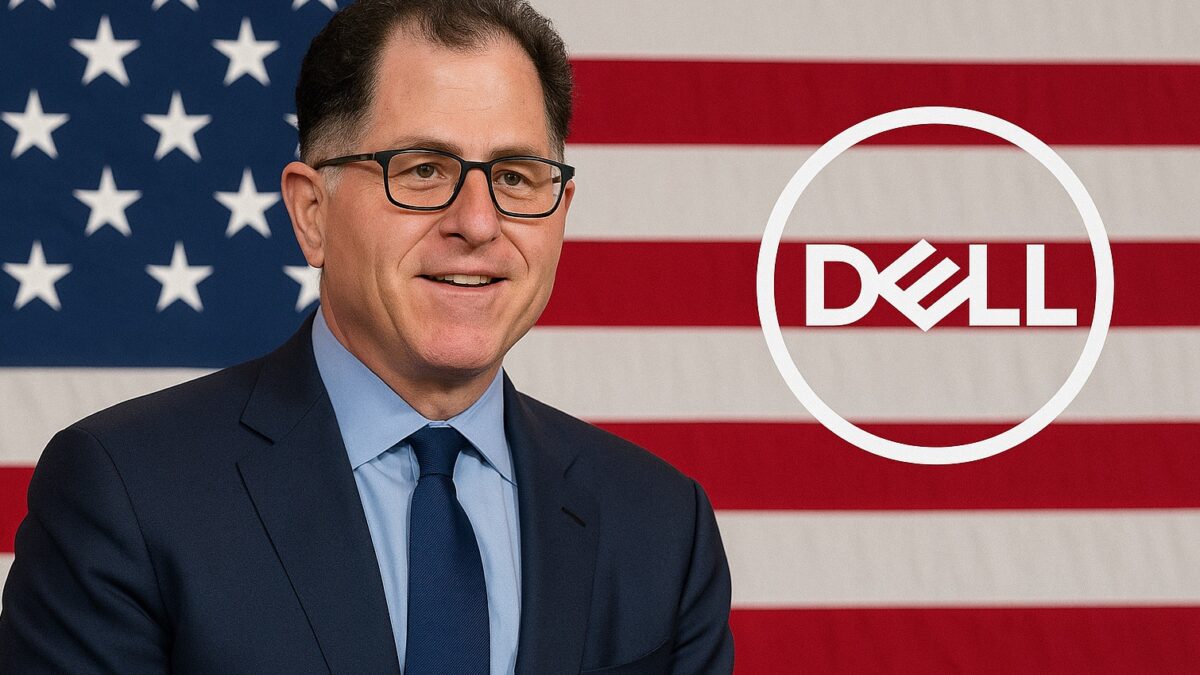
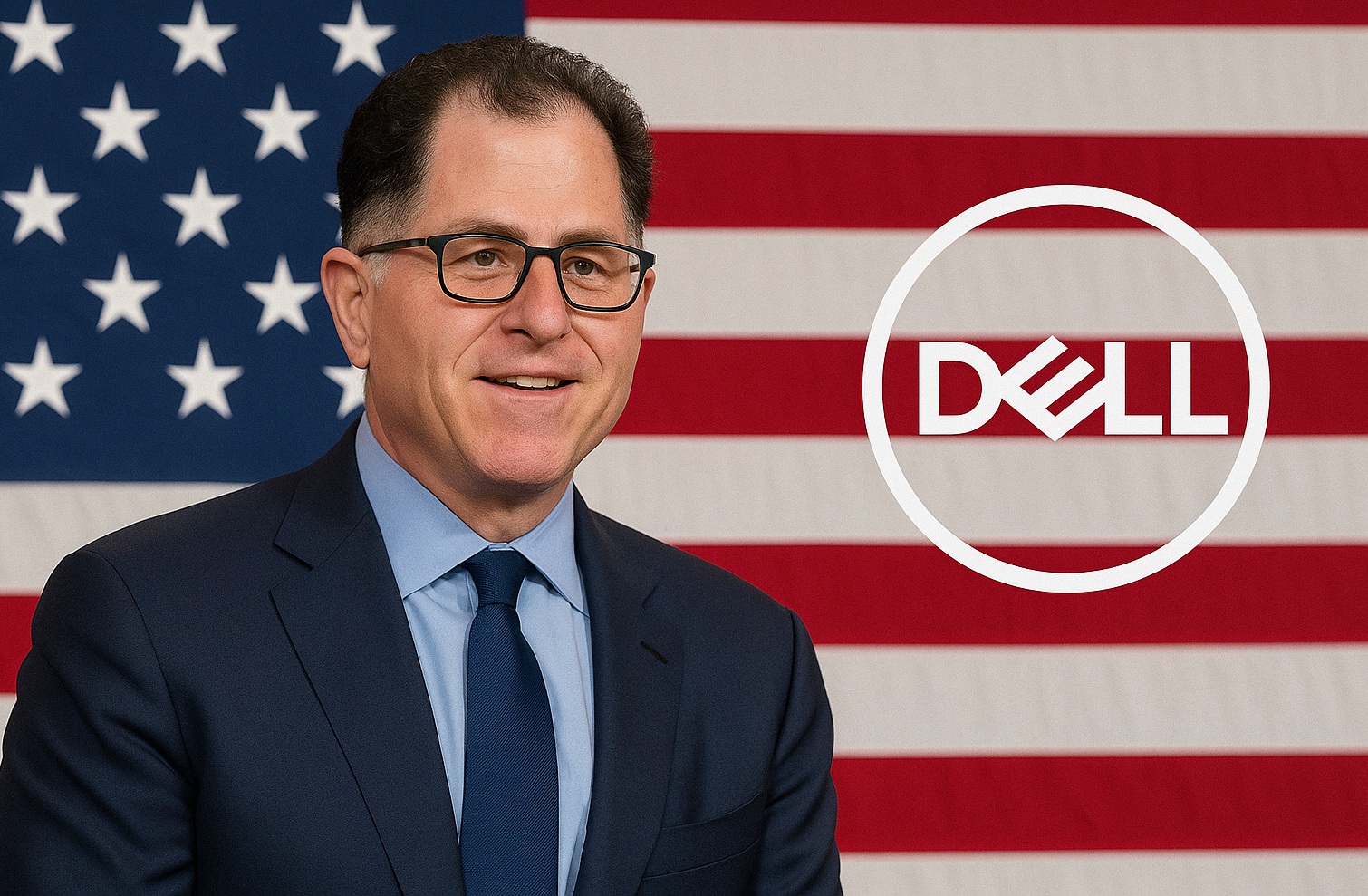
In a major financial commitment announced today, the CEO of Dell Technologies has pledged $6.25 billion to establish and support what are being termed as ‘Trump accounts’ designated for American children. This unprecedented initiative aims to provide financial resources that will benefit the next generation of Americans, addressing long-term economic security and opportunities for youth nationwide.
Related: Trump Administration Threatens to Withhold Food Assistance from 21 States
Related: New York Declares Flu Prevalent; Mask Mandate Enacted for Certain Workers
Related: What New Giannis Antetokounmpo Trade Rumors Mean for Celtics Future
Understanding the ‘Trump Accounts’ Initiative
The phrase ‘Trump accounts’ refers to newly introduced financial instruments or trust funds designed to empower American children with monetary assets as they grow. While the specifics regarding the structure and management of these accounts are still being finalized, the initiative signals an innovative approach to wealth allocation and child welfare investment.
According to statements from Dell’s leadership, the funds will be allocated across various trusts and savings vehicles intended to mature when children reach adulthood. This strategy aims to provide a financial foundation to help young Americans pursue higher education, entrepreneurship, or other career paths with fewer economic barriers.
Background and Context of the Pledge
Amid ongoing concerns about income inequality, rising education costs, and economic instability, corporate leaders have increasingly recognized the importance of proactive investments in youth. This pledge by Dell’s CEO reflects a broader trend among technology and business executives to engage with social and economic issues through direct financial commitments.
The naming of these accounts as ‘Trump accounts’ has sparked conversations, though the initiative itself is positioned as a bipartisan effort aimed strictly at benefiting children’s futures rather than political affiliations. Industry experts note that the branding may be a strategic choice to invoke a sense of strength and legacy.
Implications for American Families and Children
The impact of such a large-scale financial commitment could be transformative for American families, particularly those who face economic disadvantages. By securing funds specifically tagged for children, the initiative could:
- Provide greater access to higher education funding without increasing student debt burdens.
- Encourage savings and financial literacy from an early age.
- Support entrepreneurial ventures by young adults through seed funding.
- Mitigate wealth disparities by distributing resources more evenly across demographics.
- Enhance long-term economic mobility and stability for future generations.
Financial advisors emphasize that early capital availability is a significant predictor of future economic success. With billions committed, the initiative could serve as a model for other corporations and philanthropic entities to follow.
How the Funds Will Be Managed and Distributed
Details on the management of the $6.25 billion commitment indicate a multi-layered approach involving partnerships with financial institutions, child welfare organizations, and educational foundations. The funds are expected to be held in trust accounts and gradually disbursed based on age milestones or educational achievements.
Transparency and accountability measures are reportedly being developed to ensure the funds are used solely for their intended purposes. This includes oversight committees comprising experts in finance, education, and child development to monitor the program’s effectiveness over time.
Industry and Market Reactions
The announcement has garnered significant attention within the technology sector, financial markets, and philanthropic communities. Industry leaders have praised the initiative as a bold step toward corporate social responsibility and long-term societal investment.
Market analysts speculate that Dell’s commitment could positively influence investor perceptions of the company, highlighting a commitment beyond profitability toward sustainable social impact. Other tech CEOs and philanthropists may be encouraged to undertake similar projects, potentially sparking a wave of corporate-driven social investment programs.
Potential Challenges and Criticisms
Despite widespread acclaim, the initiative is not without its critics. Some question the naming convention and whether the association with a politically charged term might polarize public opinion or diminish the initiative’s perceived neutrality.
Others raise concerns about the scalability and long-term sustainability of such a large fund, particularly in fluctuating economic conditions. Ensuring equitable access across diverse communities, including rural and underserved populations, remains an ongoing challenge.
Expert Insights on the Initiative
Financial experts note that this type of commitment represents a new frontier in corporate philanthropy, blending wealth management with social welfare. According to generalized commentary from industry analysts:
- “Allocating significant resources directly to children’s futures can have compounding positive effects on economic mobility and social equity.”
- “The success of such initiatives hinges on robust governance structures and transparent fund management to maintain public trust.”
- “Corporate leaders stepping into social investment roles reflect an evolving understanding of their influence beyond traditional business operations.”
Child development specialists emphasize that financial empowerment at a young age must be coupled with education on money management, suggesting that the initiative’s impact will be maximized through integrated financial literacy programs.
Looking Forward: The Future of Corporate Social Investment
This new initiative by Dell’s CEO may mark a turning point in how corporations engage with social issues. If successful, it could inspire a wave of similar commitments from other companies, reshaping the landscape of child welfare and financial planning.
Policymakers and advocacy groups are likely to monitor the program closely, looking for opportunities to collaborate or replicate effective frameworks. Additionally, the initiative may influence legislative discussions around child savings accounts, education funding, and wealth inequality.
Consumer Impact and Broader Economic Effects
For consumers, particularly families with children, the initiative may provide new avenues for financial support and planning. It could also stimulate demand for financial advisory services tailored to managing these accounts and preparing youth for financial independence.
Economically, boosting the financial security of younger generations can lead to increased consumer spending, entrepreneurship, and innovation, contributing positively to GDP growth and social stability.
Conclusion
The pledge by Dell’s CEO to allocate $6.25 billion toward ‘Trump accounts’ for American children represents a significant and novel approach to corporate philanthropy and social investment. By focusing on securing the financial futures of the nation’s youth, the initiative addresses pressing concerns about economic inequality, education affordability, and long-term opportunity.
While challenges around implementation and public perception remain, the commitment sets a precedent for how business leaders can actively contribute to shaping a more equitable and prosperous society. As this initiative unfolds, its outcomes will likely influence the trajectory of corporate social responsibility and child welfare strategies in the years ahead.
- Los Gatos ‘Party Mom’ Who Supplied Teens With Alcohol and Pressured Them Faces Lengthy Jail Sentence

- Anti-AIPAC Group Faces Setback as Rep. Valerie Foushee Wins Primary Battle

- Texas Judge Declines to Close Camp Mystic but Bars Construction on Flood-Damaged Campus

- Netflix, After Walking Away From Warner Bros. Deal, Will Move Forward With $2.8 Billion Cash Reserve, CFO Says

- Democratic Rivals in Close Senate Primary Amid Texas Polling Confusion