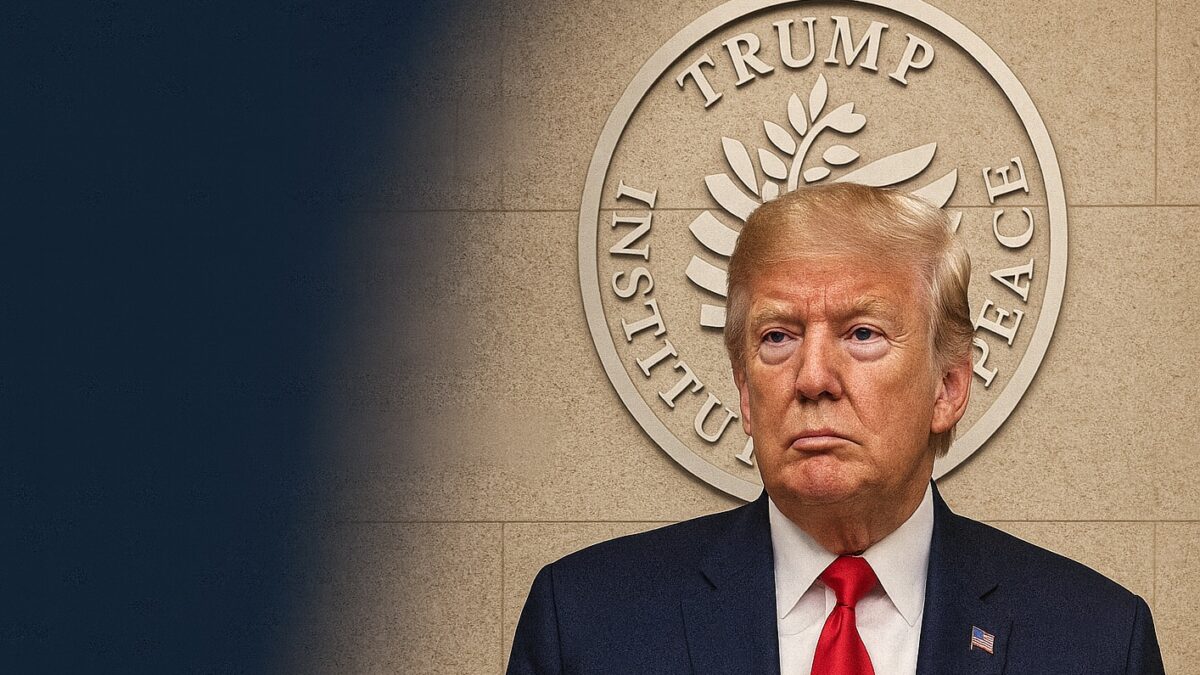
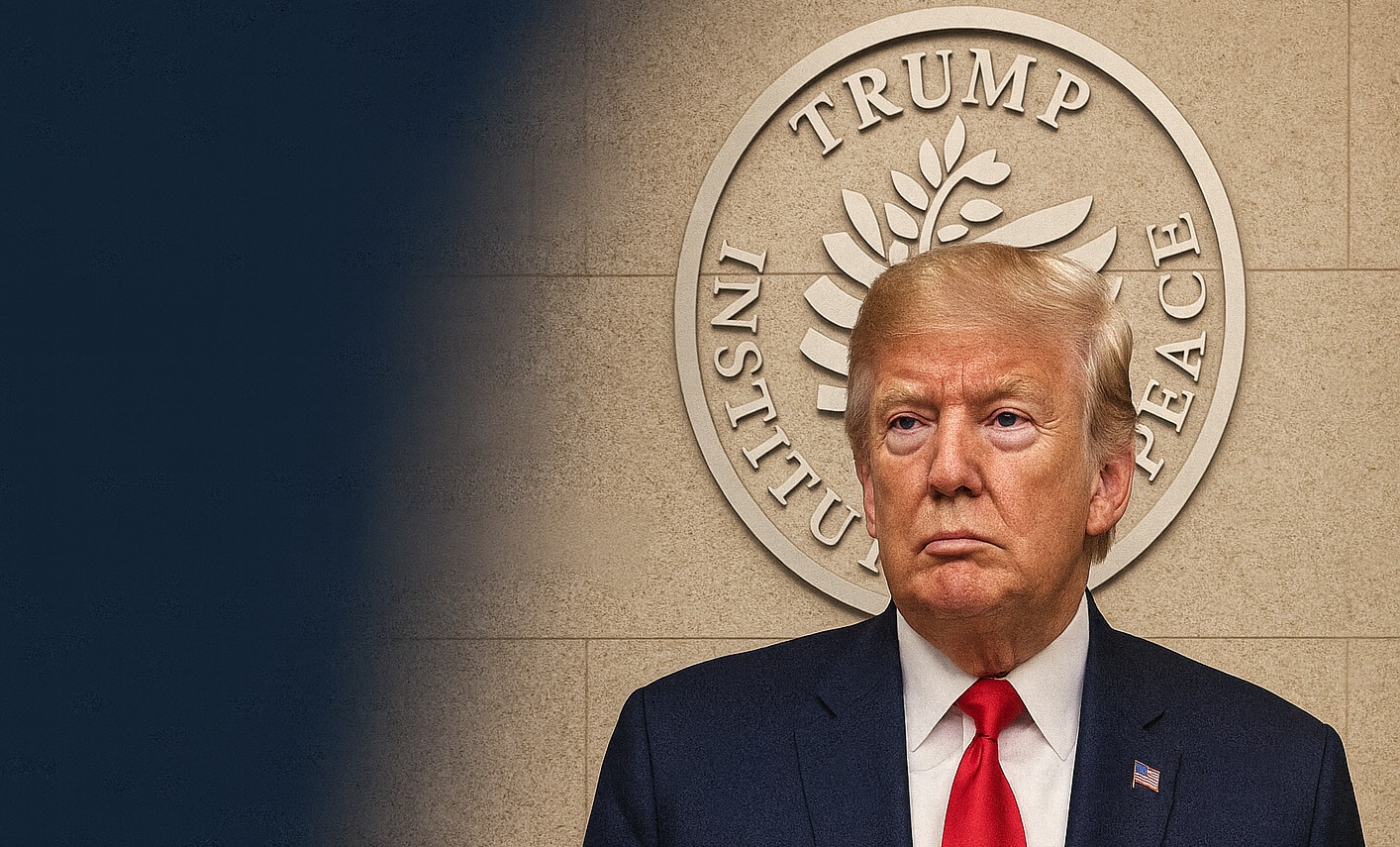
The US Institute of Peace (USIP), a federally funded organization dedicated to conflict resolution and peacebuilding, has been officially renamed to honor former President Donald Trump. This significant move comes shortly after the Trump administration enacted severe budget reductions to the institute earlier this year, drastically altering its operational capacity. The renaming has ignited debate among policymakers, peace advocates, and experts regarding the implications for the institution’s mission and independence.
Related: What New Giannis Antetokounmpo Trade Rumors Mean for Celtics Future
Related: How Belgium Became Russia’s Most Valuable Asset
Related: Search for Light Sterile Neutrinos with Two Neutrino Beams at MicroBooNE
Background: The US Institute of Peace and Its Mission
Established by the United States Congress, the US Institute of Peace serves as a nonpartisan resource committed to preventing and resolving violent conflicts worldwide. It operates as an educational and research body, offering training, mediation support, and policy advice to governments, NGOs, and international organizations. The institute’s work spans multiple continents and conflict zones, emphasizing diplomacy, dialogue, and innovative peacebuilding strategies.
Since its inception, USIP has been recognized for its expertise in conflict analysis and its role in facilitating peaceful resolutions to complex disputes. It functions independently from the Department of State and other government entities to ensure nonpartisanship and credibility in its efforts.
Trump Administration Cuts: A Turning Point
Earlier this year, the Trump administration implemented drastic budget cuts to the US Institute of Peace, slashing its funding by a significant margin. These reductions limited the institute’s ability to maintain programs, retain staff, and expand its initiatives. Observers noted that the cuts were part of a broader effort to reduce government spending on diplomacy and foreign aid, which the administration viewed as less critical compared to defense and domestic priorities.
The funding decrease led to a scaling back of projects and partnerships, especially in regions experiencing ongoing conflicts. Some experts expressed concern that the diminished capacity could undermine the United States’ ability to support peace processes and destabilize long-term diplomatic efforts.
Renaming the Institute: Symbolism and Reactions
The decision to rename the institute in honor of Donald Trump shortly after these budget cuts has been met with mixed reactions. Proponents argue that the renaming symbolizes recognition of the former president’s impact on reshaping US foreign policy and government institutions.
Critics, however, view the move as contradictory, highlighting that the administration’s policy decisions weakened the very institute it now commemorates. They caution that the renaming may politicize an institution traditionally viewed as impartial and nonpartisan, potentially affecting its credibility and future funding.
Political and Institutional Ramifications
Renaming a federal institution after a living former president—particularly one whose administration directly affected the institution’s resources—is highly unusual. The decision may set a precedent for politicizing government-affiliated organizations and raises questions about how institutional legacies are honored and preserved.
Lawmakers and stakeholders are weighing the potential impact on bipartisan support for USIP. Some fear that the renaming could alienate members of Congress and international partners who prioritize the institute’s neutrality.
Implications for Peacebuilding and US Foreign Policy
The US Institute of Peace plays a critical role in the broader framework of American foreign policy by providing tools and expertise aimed at conflict prevention and resolution. Reduced funding and politicization of the institute may hamper its effectiveness in several ways:
- Operational Constraints: Limited budgets restrict program scope, staff hiring, and on-the-ground presence in conflict zones.
- Credibility Risks: Renaming tied to a political figure could challenge the institute’s nonpartisan reputation.
- Diplomatic Impact: USIP’s diminished role might reduce American influence in international peace initiatives.
- Long-Term Stability: Curtailing peacebuilding efforts could exacerbate conflicts that ultimately affect global security and economic interests.
Analysts observe that while hard power remains a key element of US foreign policy, soft power institutions like USIP are essential complements that help sustain peace and prevent costly military engagements.
Expert Insights: Perspectives from the Peacebuilding Community
Leaders and scholars in the field of conflict resolution stress the importance of maintaining institutional independence and adequate resourcing for organizations like USIP. They emphasize:
- Nonpartisanship as a Core Asset: Peacebuilding requires trust and neutrality, qualities that can be compromised by political affiliations.
- Stable Funding as Essential: Consistent government support ensures continuity of programs and long-term impact.
- Strategic Role in US Foreign Policy: Institutes like USIP act as force multipliers for diplomacy, complementing traditional military and economic tools.
- Global Perception and Partnerships: The international community values credible US institutions to engage in multilateral peace efforts.
Experts caution that politicizing the institute by renaming it after a controversial figure might hinder collaborative efforts and reduce willingness among other nations and organizations to cooperate.
Looking Ahead: What This Means for the Institute and Peace Efforts
The renaming marks a new chapter for the US Institute of Peace. Moving forward, several key considerations will shape its trajectory:
- Reaffirming Institutional Mission: Leadership may need to reinforce the institute’s commitment to impartiality despite the political connotations of its new name.
- Engaging Bipartisan Support: Efforts to rebuild trust among policymakers will be critical for securing future funding and backing.
- Expanding Public Awareness: Increasing understanding of USIP’s role could help mitigate concerns about politicization.
- Adapting to Budget Realities: The institute may explore alternative funding sources, including private partnerships, to supplement government support.
Ultimately, the institute’s ability to navigate these challenges will influence its contribution to peacebuilding and US foreign policy in the coming years.
Conclusion
The renaming of the US Institute of Peace to honor former President Donald Trump comes at a complex time marked by significant funding cuts and debates over the institution’s future. While the move acknowledges the former president’s administration, it raises important questions about the impact on the institute’s independence, credibility, and effectiveness in peacebuilding efforts. As the institute seeks to continue its vital work in preventing conflict and promoting diplomacy worldwide, maintaining nonpartisanship and securing stable support will be essential. The evolving situation highlights broader tensions between political legacy, institutional autonomy, and the strategic role of peacebuilding in US foreign policy.
- Los Gatos ‘Party Mom’ Who Supplied Teens With Alcohol and Pressured Them Faces Lengthy Jail Sentence

- Anti-AIPAC Group Faces Setback as Rep. Valerie Foushee Wins Primary Battle

- Texas Judge Declines to Close Camp Mystic but Bars Construction on Flood-Damaged Campus

- Netflix, After Walking Away From Warner Bros. Deal, Will Move Forward With $2.8 Billion Cash Reserve, CFO Says

- Democratic Rivals in Close Senate Primary Amid Texas Polling Confusion