
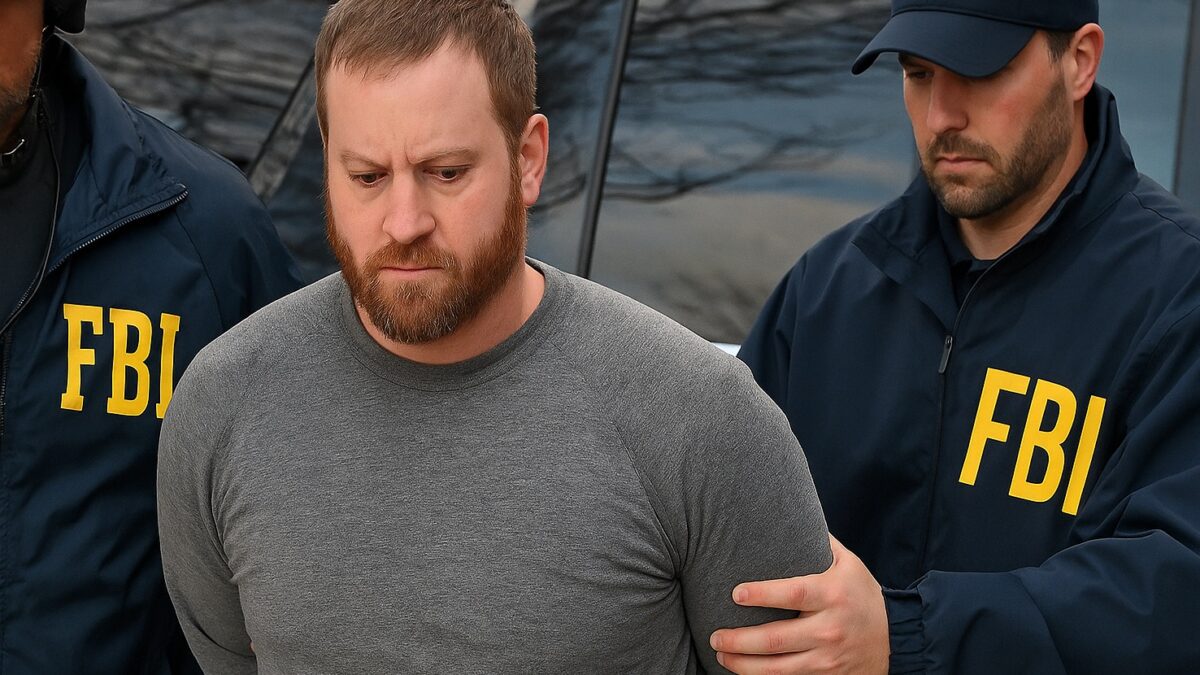
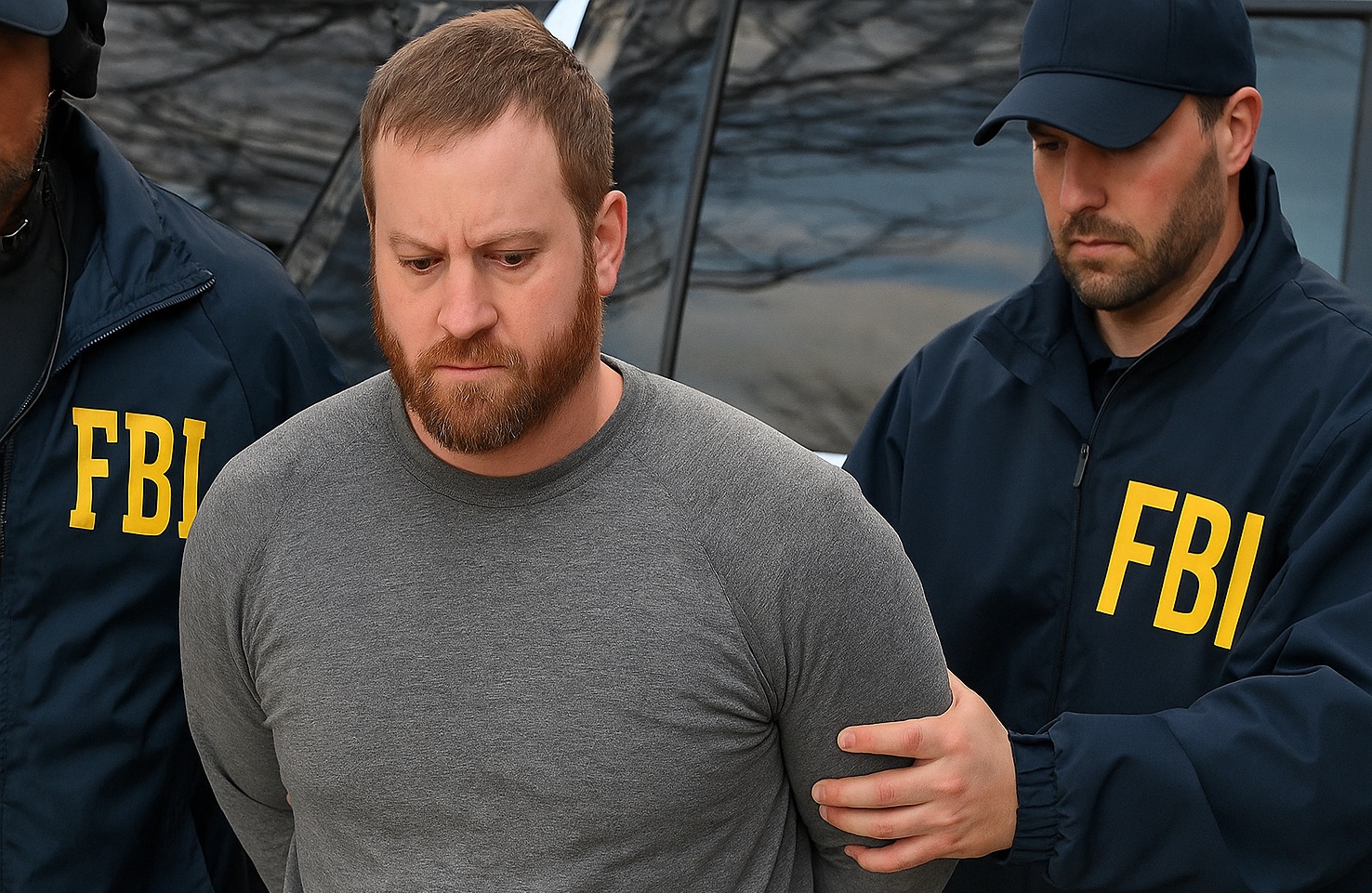
In a significant breakthrough, law enforcement officials have arrested a suspect connected to the pipe bomb incidents linked to the events of January 6. This development comes as part of ongoing investigations surrounding the attack on the U.S. Capitol, underscoring the continued efforts to bring those responsible to justice.
Related: New Details Emerge in Deadly Shooting of Two National Guard Members
Related: In tight Tennessee congressional race, Republican Matt Van Epps pulls out victory
Related: How Belgium Became Russia’s Most Valuable Asset
Background on the Jan. 6 Pipe Bomb Incidents
The January 6 attack on the U.S. Capitol was marked by unprecedented violence and chaos, during which multiple pipe bombs were discovered near key political party headquarters. These explosive devices heightened the severity of the event and intensified the nationwide focus on domestic terrorism and political violence.
Authorities quickly launched an extensive investigation into the origins and perpetrators of these devices. The pipe bombs were found near the Democratic National Committee and Republican National Committee offices, raising alarm about the intent to inflict harm on political institutions and personnel.
Details of the Arrest
According to sources close to the investigation, the suspect was apprehended within the last 24 hours following a coordinated effort by federal law enforcement agencies. While specific details about the suspect’s identity and background have not been publicly released, officials confirm that the arrest is a critical step in unraveling the network behind these explosive devices.
The arrest was reportedly the result of meticulous investigative work, including forensic analysis, surveillance, and intelligence sharing among multiple agencies. This multi-agency collaboration highlights the complexity and seriousness with which the federal government is treating the case.
Investigation Progress and Evidence
Investigators have been working tirelessly since the initial discovery of the pipe bombs, employing advanced forensic techniques to trace the materials and construction of the devices. The arrest signals that these efforts have yielded actionable intelligence leading to a suspect.
Law enforcement officials continue to analyze digital footprints, communications, and physical evidence linked to the suspect. The case remains active, with the possibility of additional arrests or charges as investigators uncover more information.
Key Investigation Methods
- Forensic examination of explosive components
- Analysis of surveillance footage around the Capitol
- Tracking of communications and social media activity related to the devices
- Interagency intelligence sharing and coordination
Implications for National Security and Domestic Terrorism
The arrest carries significant implications for national security, particularly in the context of rising concerns over domestic terrorism. The use of explosive devices in politically motivated violence represents a dangerous escalation that demands heightened vigilance and response.
Experts note that the January 6 events exposed vulnerabilities in security protocols and highlighted the evolving nature of domestic threats. This arrest may serve as a deterrent to future acts of violence and demonstrate the government’s commitment to prosecuting those who threaten democratic institutions.
Moreover, the case sheds light on the ongoing challenges faced by law enforcement in addressing politically motivated violence without infringing on civil liberties. Balancing security and freedom remains a delicate task for policymakers and security agencies.
Expert Insights
Security analysts emphasize the importance of this arrest in the broader context of combating domestic extremism. They highlight how coordinated law enforcement efforts and advanced investigative techniques are crucial in identifying and stopping actors who use violence to achieve political ends.
Experts also caution that while this arrest is a meaningful development, it is part of a larger, complex landscape of domestic threats. Continued investment in intelligence, community engagement, and preventive measures is essential to address the root causes of political violence.
From a legal perspective, experts underscore the challenges prosecutors may face in securing convictions, particularly when evidence is technical or when defendants may attempt to politicize their cases. Nonetheless, the arrest reinforces the principle that actions threatening public safety and democratic processes will be met with rigorous legal scrutiny.
Public and Political Reactions
The news of the arrest has elicited responses from various political figures and public officials, emphasizing the need for accountability and justice. Many voices have called for transparency in the investigation and urged the public to remain vigilant against misinformation and divisive rhetoric.
Community leaders and advocacy groups have also weighed in, underscoring the importance of addressing not only the criminal acts but also the underlying social and political dynamics that contribute to such violence.
Consumer Impact and Broader Societal Considerations
While this case primarily involves national security, its reverberations extend into broader societal concerns. The heightened awareness of domestic terrorism affects public perception of safety and trust in governmental institutions.
Businesses, particularly those involved in security, surveillance, and infrastructure protection, may see increased demand for solutions that mitigate risks associated with politically motivated violence. Similarly, media organizations and information platforms face ongoing pressure to balance responsible reporting with combating misinformation related to such events.
Looking Ahead: What This Means for Future Security Measures
The arrest is likely to prompt reviews and enhancements of security protocols at government facilities and public venues. Authorities may also accelerate efforts to integrate technology-driven surveillance, improved communication networks, and community-based intelligence to prevent similar threats.
Legislators might consider new policies aimed at strengthening domestic terrorism laws, while civil rights advocates will likely continue to advocate for protections against potential overreach.
Overall, this development could mark a turning point in how domestic violent extremism is addressed in the United States, with a focus on proactive prevention and comprehensive response strategies.
Conclusion
The arrest of a suspect in the January 6 pipe bomb case marks a pivotal moment in the ongoing efforts to address the violence that shook the nation’s capital. This development reflects the dedication of law enforcement agencies to holding perpetrators accountable and enhancing national security.
While many questions remain, and the investigation is ongoing, the arrest underscores the seriousness with which domestic terrorism is being treated in today’s security landscape. Moving forward, continued vigilance, collaboration, and balanced policy responses will be critical to safeguarding democratic institutions and public safety.
- Los Gatos ‘Party Mom’ Who Supplied Teens With Alcohol and Pressured Them Faces Lengthy Jail Sentence

- Anti-AIPAC Group Faces Setback as Rep. Valerie Foushee Wins Primary Battle

- Texas Judge Declines to Close Camp Mystic but Bars Construction on Flood-Damaged Campus

- Netflix, After Walking Away From Warner Bros. Deal, Will Move Forward With $2.8 Billion Cash Reserve, CFO Says

- Democratic Rivals in Close Senate Primary Amid Texas Polling Confusion