
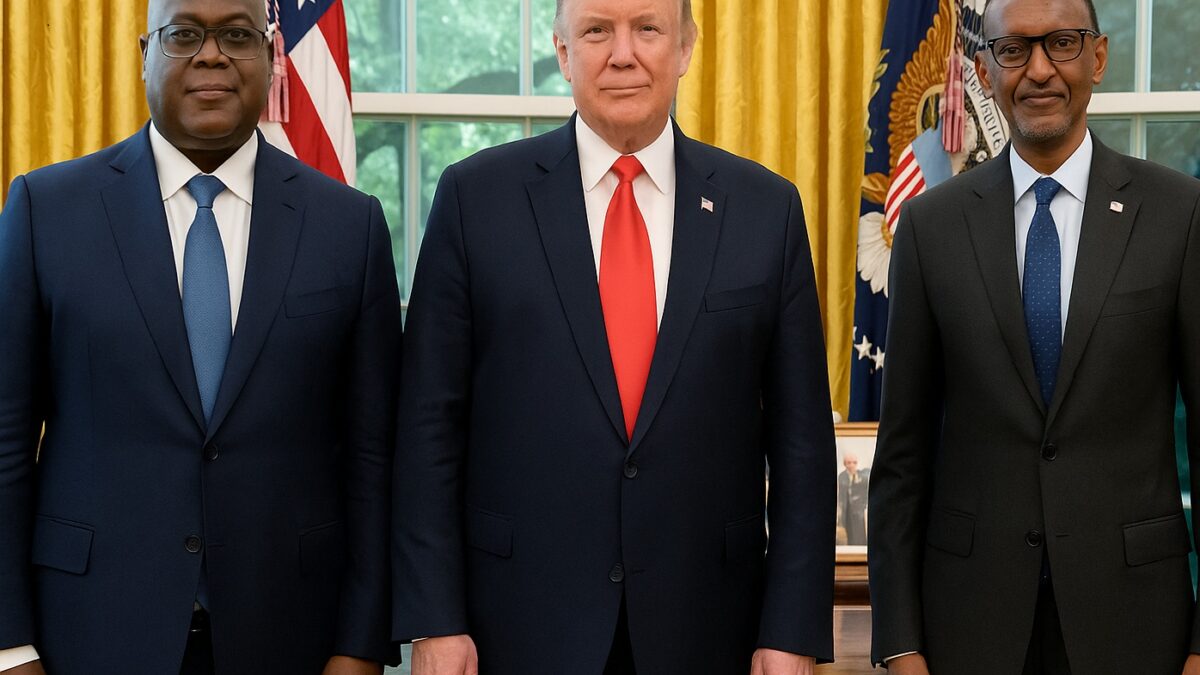
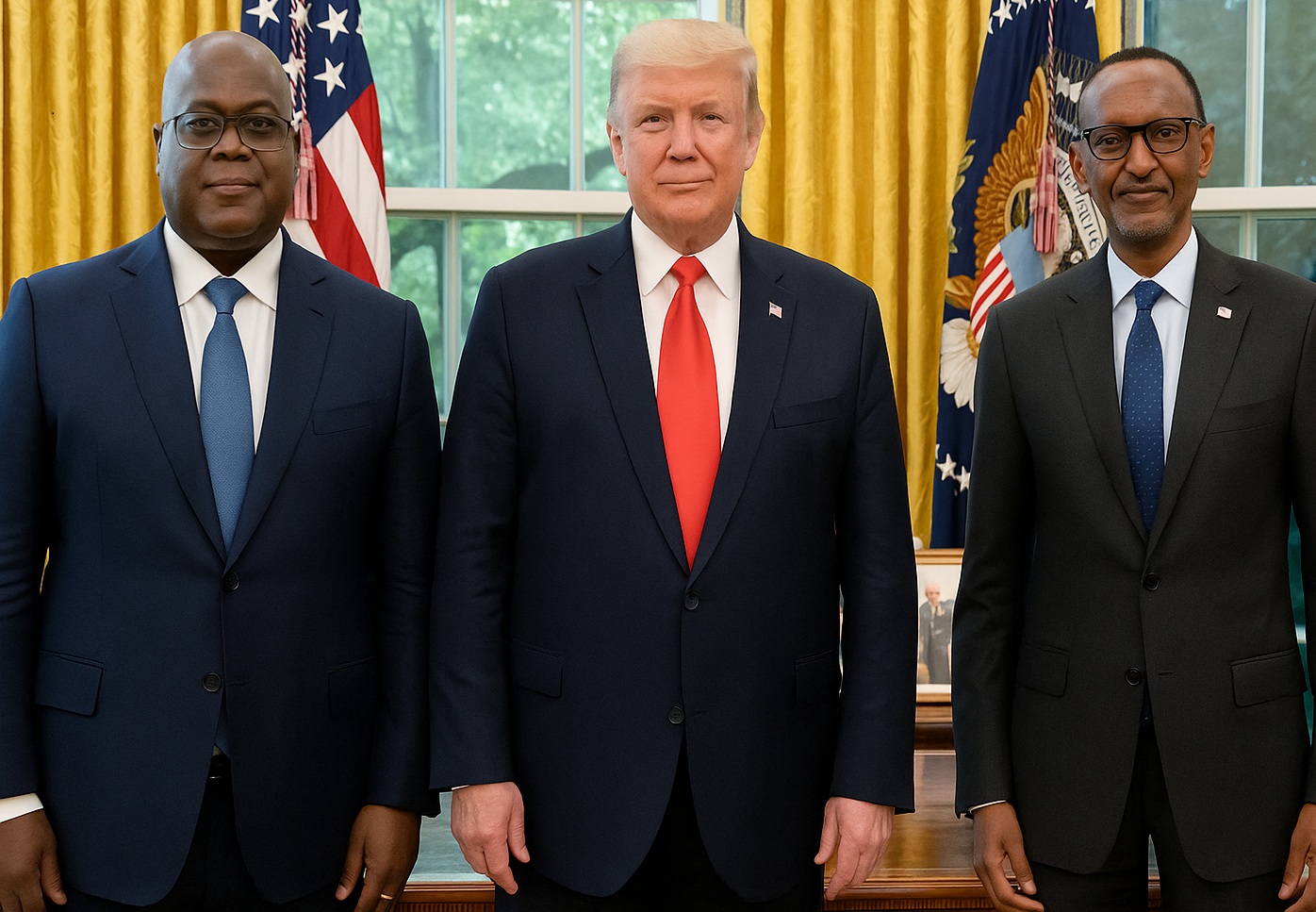
In a significant development today, former U.S. President Donald Trump is set to host a historic peace summit involving the presidents of the Democratic Republic of Congo (DRC) and Rwanda, Félix Tshisekedi and Paul Kagame respectively. The meeting aims to formalize a peace agreement to address decades-long tensions and conflicts that have impacted the Great Lakes region of Africa.
Related: Trump Highlights ‘Very Good’ Meeting Between Witkoff, Kushner, and Putin
Related: In tight Tennessee congressional race, Republican Matt Van Epps pulls out victory
Related: How Belgium Became Russia’s Most Valuable Asset
Background: Longstanding Tensions in the Great Lakes Region
The relationship between the DRC and Rwanda has been strained by a complex history of conflict, political disputes, and cross-border security issues. The Great Lakes region has witnessed intermittent violence, fueled by armed groups operating in eastern DRC, many of which have alleged links to Rwanda. These tensions have led to humanitarian crises, displacement, and economic disruptions affecting millions of people.
Efforts at reconciliation and peace have been ongoing for years, involving multiple international actors and regional bodies. However, progress has been intermittent, often hindered by mutual distrust and geopolitical interests. The involvement of a former U.S. president as a mediator marks an unusual but potentially impactful step towards resolving these entrenched conflicts.
Details of the Upcoming Peace Summit
The summit is scheduled to take place within the next few days at a yet undisclosed venue under the auspices of Donald Trump. Both Félix Tshisekedi and Paul Kagame have confirmed their participation, signaling a willingness to engage directly in diplomatic dialogue. The agenda includes:
- Signing a comprehensive peace agreement addressing border security and military cooperation.
- Commitments to dismantle armed groups operating in eastern DRC.
- Economic collaboration initiatives to foster regional development.
- Establishment of a joint monitoring mechanism to ensure compliance with the agreement.
- Frameworks for humanitarian assistance and refugee protection.
While specifics of the agreement remain confidential, sources close to the negotiations describe it as a multi-faceted treaty aiming for sustainable peace and cooperation.
Implications for Regional Stability and Development
The peace deal holds significant potential to transform the security landscape of the Great Lakes region. Persistent instability has undermined economic growth and development opportunities, making peace a critical prerequisite for progress. Key implications include:
- Enhanced Security: Reduction in cross-border insurgencies and violence is expected to improve safety for millions of residents.
- Economic Growth: Stability can attract foreign investment and encourage trade between the two nations and beyond.
- Humanitarian Relief: Peace will facilitate better access for aid agencies to vulnerable populations displaced by conflict.
- Regional Cooperation: The agreement could set a precedent for resolving other disputes within the East African Community and the African Union framework.
Moreover, the involvement of a global political figure like Donald Trump may draw increased international attention and support for the peace process.
Challenges and Risks Ahead
Despite the optimism, several challenges could affect the implementation and durability of the peace agreement:
- Deep-rooted mistrust: Historical grievances and political rivalries may hinder full cooperation.
- Armed Groups’ Compliance: Ensuring all militant factions disarm and integrate peacefully remains a complex task.
- Domestic Political Pressures: Both presidents face internal constituencies that may resist concessions made during the negotiations.
- Regional Dynamics: Neighboring countries’ interests could influence the process positively or negatively.
Effective monitoring and international backing will be essential to overcome these obstacles.
Expert Insights on the Peace Initiative
Analysts specializing in African geopolitics highlight several critical aspects of this development:
- Unconventional Mediation: The role of a former U.S. president, outside official diplomatic channels, introduces an unconventional but potentially influential mediation dynamic.
- Symbolism and Messaging: Hosting the summit signals a strong commitment to peace by all parties and may encourage broader international involvement.
- Long-Term Commitment: Experts emphasize that signing a peace deal is only the first step; sustained political will and community engagement are necessary for lasting peace.
- Economic Opportunities: Peace could unlock vast economic potential in mining, agriculture, and infrastructure sectors, benefiting local populations.
Overall, the consensus among regional experts is cautiously optimistic, noting that this initiative could represent a turning point if effectively managed.
Consumer and Humanitarian Impact
For ordinary citizens in the DRC and Rwanda, the peace deal promises tangible improvements in daily life. Reduced violence would allow displaced families to return home, access education and healthcare, and participate in economic activities. Additionally, the agreement could lead to better regional infrastructure, improving market access and consumer goods availability.
Humanitarian organizations are also expected to benefit from improved security conditions, enabling more efficient relief operations and development programs. This could contribute to addressing persistent challenges such as food insecurity, health crises, and poverty alleviation.
Forward-Looking Analysis
Looking ahead, the success of this peace initiative will hinge on several factors:
- Implementation Mechanisms: The establishment of credible, transparent monitoring bodies to enforce the agreement.
- International Support: Ongoing engagement from global stakeholders, including the United Nations, African Union, and key donor countries.
- Community Involvement: Inclusion of local leaders and civil society to ensure grassroots buy-in and reconciliation.
- Economic Integration: Development of joint projects that bind the two nations economically and socially.
If these elements are effectively addressed, the peace deal could serve as a model for conflict resolution in other parts of Africa and beyond.
Conclusion
The upcoming peace summit hosted by former President Donald Trump, bringing together Félix Tshisekedi and Paul Kagame, represents a pivotal moment for the Democratic Republic of Congo, Rwanda, and the broader Great Lakes region. The potential peace agreement could end years of conflict, foster regional stability, and unlock economic and humanitarian benefits for millions.
While challenges remain, the unprecedented engagement and commitment displayed by the leaders offer a hopeful path forward. The international community’s role in supporting and sustaining this peace process will be crucial in turning today’s historic negotiations into lasting peace and prosperity.
- Los Gatos ‘Party Mom’ Who Supplied Teens With Alcohol and Pressured Them Faces Lengthy Jail Sentence

- Anti-AIPAC Group Faces Setback as Rep. Valerie Foushee Wins Primary Battle

- Texas Judge Declines to Close Camp Mystic but Bars Construction on Flood-Damaged Campus

- Netflix, After Walking Away From Warner Bros. Deal, Will Move Forward With $2.8 Billion Cash Reserve, CFO Says

- Democratic Rivals in Close Senate Primary Amid Texas Polling Confusion