
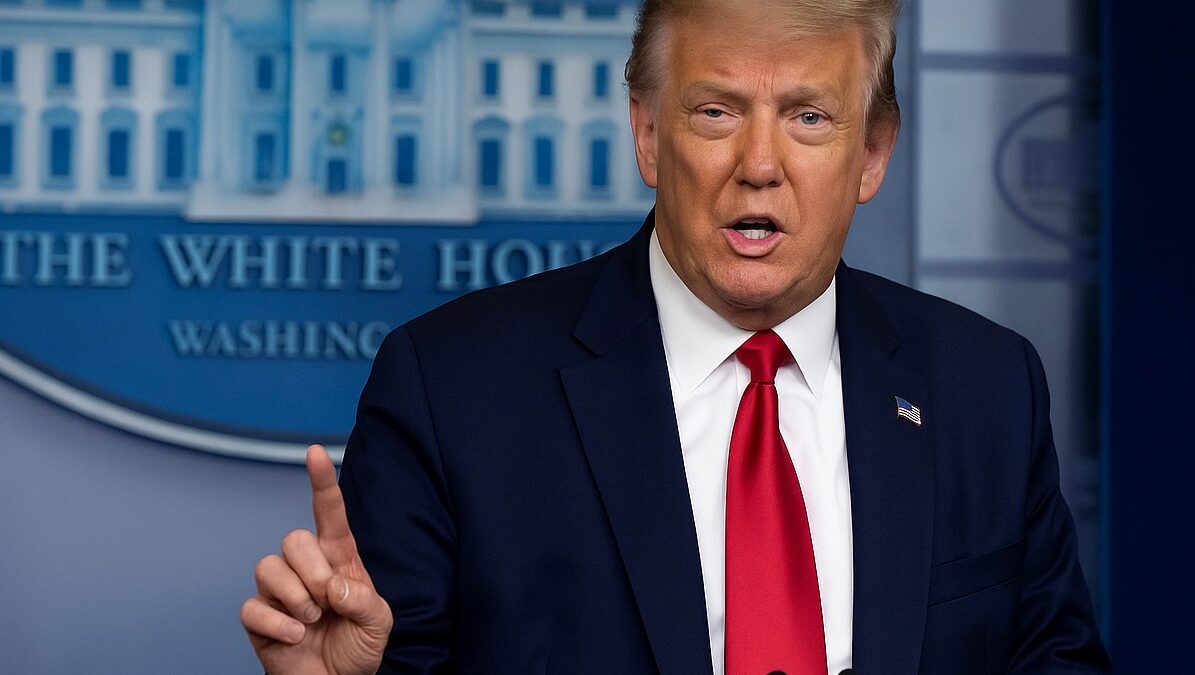
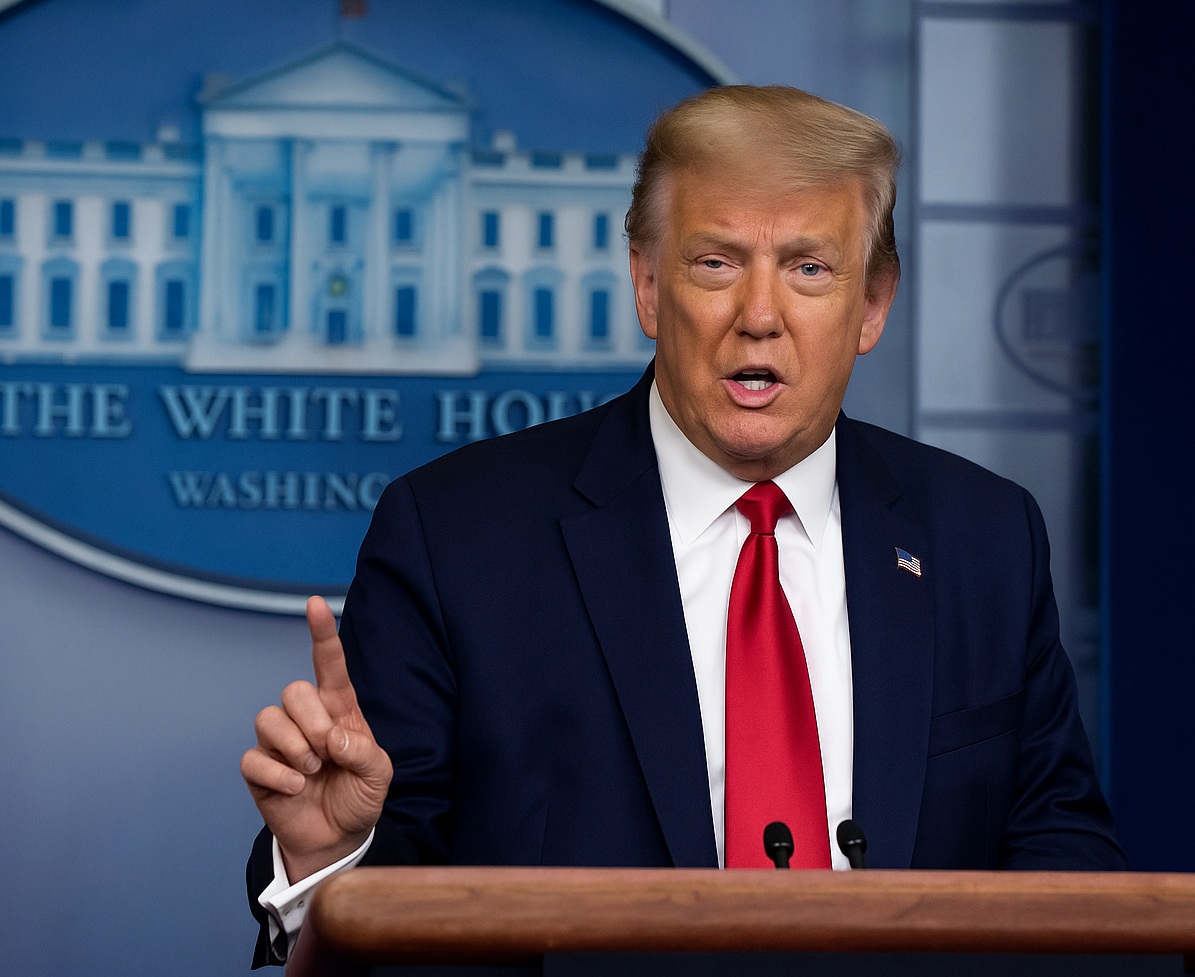
Former President Donald Trump declared today that he intends to cancel all executive orders issued by President Joe Biden that were signed using an autopen device. This announcement has ignited a wave of discussion among legal experts, political analysts, and policy observers regarding the legitimacy, implications, and potential consequences of such a move.
Related: Trump to Hold Venezuela Oval Office Meeting, Sources Say
Related: The Emerging MAGA Fractures: Understanding the Divisions Within a Political Movement
Related: The Next Big Battleground Test: A Wisconsin Race That Has Tortured Republicans
Understanding the Use of Autopen in Presidential Orders
The autopen is a mechanical device that allows the replication of a person’s signature, commonly used by presidents to expedite the signing of documents when they are unavailable to sign in person. Historically, autopen usage has been employed by multiple administrations for a variety of documents including executive orders, legislation, and official correspondence.
President Biden’s administration has reportedly utilized the autopen to sign certain executive orders, a practice that has been defended as a practical solution to maintain government operations efficiently. However, Trump’s assertion challenges the legitimacy of these orders on procedural grounds.
Legal Basis Behind the Cancellation Claim
Trump’s announcement rests on the argument that executive orders signed via autopen lack the legal authenticity required for enforcement. While the Constitution does not explicitly prohibit the use of autopen devices by the president, the legal debate centers on whether such signatures meet the necessary standards for valid presidential actions.
Legal experts emphasize that the validity of executive orders is generally determined by the authority vested in the president and the content of the order itself, rather than the physical act of signing. Historically, courts have upheld the legitimacy of autopen-signed documents, but the current challenge introduces a fresh perspective on executive authority and process.
Political and Administrative Implications
If Trump were to regain the presidency and follow through with his plan, the cancellation of all executive orders signed via autopen could lead to substantial policy reversals and administrative disruption. Executive orders often cover a wide array of policy areas, including immigration, environmental regulations, healthcare, and national security.
This move could:
- Nullify key Biden administration policies enacted quickly through executive action.
- Trigger legal challenges from stakeholders affected by the cancellations.
- Create uncertainty among federal agencies tasked with implementing these orders.
- Impact international agreements or commitments tied to executive directives.
The potential scale of impact underscores the contentious nature of executive orders as instruments of policy and the debate over the permanence and legitimacy of actions taken via autopen.
Historical Precedents and Autopen Usage
Autopen use by U.S. presidents is not unprecedented. Past administrations have utilized it for various official documents to maintain continuity in governance, especially during travel or incapacitation of the president. The device’s use has been generally accepted within the norms of executive operations, although rarely subjected to direct public scrutiny.
This announcement by Trump, however, appears to be a strategic challenge to the administrative practices of the Biden presidency, framing autopen usage as a procedural flaw warranting cancellation of affected orders.
Expert Insights on the Controversy
Legal scholars and political analysts offer diverse perspectives on the ramifications of Trump’s claim:
- Constitutional Law Experts: Many argue that the Constitution grants the president broad authority to execute laws and issue orders, with no explicit language restricting the method of signature. The use of an autopen, they note, is a technical means rather than a substantive defect.
- Political Strategists: The announcement may be viewed as a political maneuver aimed at rallying support among Trump’s base by highlighting administrative grievances and asserting a strong stance against the Biden administration’s legitimacy.
- Governance Analysts: They caution that invalidating executive orders en masse based on signature method could set a risky precedent, potentially undermining government stability and the continuity of executive functions.
Overall, experts emphasize the importance of judicial review and congressional oversight in resolving such disputes, underscoring the system of checks and balances designed to address executive authority issues.
Consumer and Public Impact
The cancellation of executive orders signed via autopen could have tangible effects on everyday Americans, particularly in areas where executive actions directly influence regulatory frameworks and social programs. For example:
- Healthcare: Orders expanding access or adjusting regulations could be rolled back, affecting patient services and insurance provisions.
- Environmental Policies: Reversal of climate-related executive directives may impact pollution standards, energy development, and conservation initiatives.
- Immigration: Changes to enforcement policies or humanitarian protections may arise, potentially affecting immigrant communities and border management.
- Employment and Labor: Orders concerning workplace safety, wages, or benefits might be rescinded, influencing the labor market.
Such changes could create uncertainty for businesses, non-profit organizations, and state governments relying on consistent federal guidance and regulations.
Looking Ahead: Potential Developments and Challenges
The announcement sets the stage for a complex legal and political battle. Key questions moving forward include:
- Whether Trump will have the political authority and legal means to implement these cancellations.
- How courts might interpret challenges to executive orders based on the method of signature.
- The response of federal agencies tasked with enforcing or rescinding the affected orders.
- The broader implications for executive power and administrative processes in future presidencies.
Observers will be closely monitoring legislative and judicial responses, as well as any statements from the Biden administration addressing these claims.
Conclusion
Former President Trump’s announcement to cancel all executive orders signed using an autopen by President Biden marks a significant escalation in the ongoing political tensions between the two administrations. While autopen usage has historical precedent and legal acceptance, this challenge raises important questions about executive authority, administrative legitimacy, and the mechanisms of governance.
The potential cancellation of numerous executive orders carries wide-reaching consequences for federal policy, government operations, and affected populations. As this situation unfolds, legal scrutiny and political dynamics will play crucial roles in determining the outcome, highlighting the delicate balance between efficient governance and adherence to procedural norms.
- Los Gatos ‘Party Mom’ Who Supplied Teens With Alcohol and Pressured Them Faces Lengthy Jail Sentence

- Anti-AIPAC Group Faces Setback as Rep. Valerie Foushee Wins Primary Battle

- Texas Judge Declines to Close Camp Mystic but Bars Construction on Flood-Damaged Campus

- Netflix, After Walking Away From Warner Bros. Deal, Will Move Forward With $2.8 Billion Cash Reserve, CFO Says

- Democratic Rivals in Close Senate Primary Amid Texas Polling Confusion