
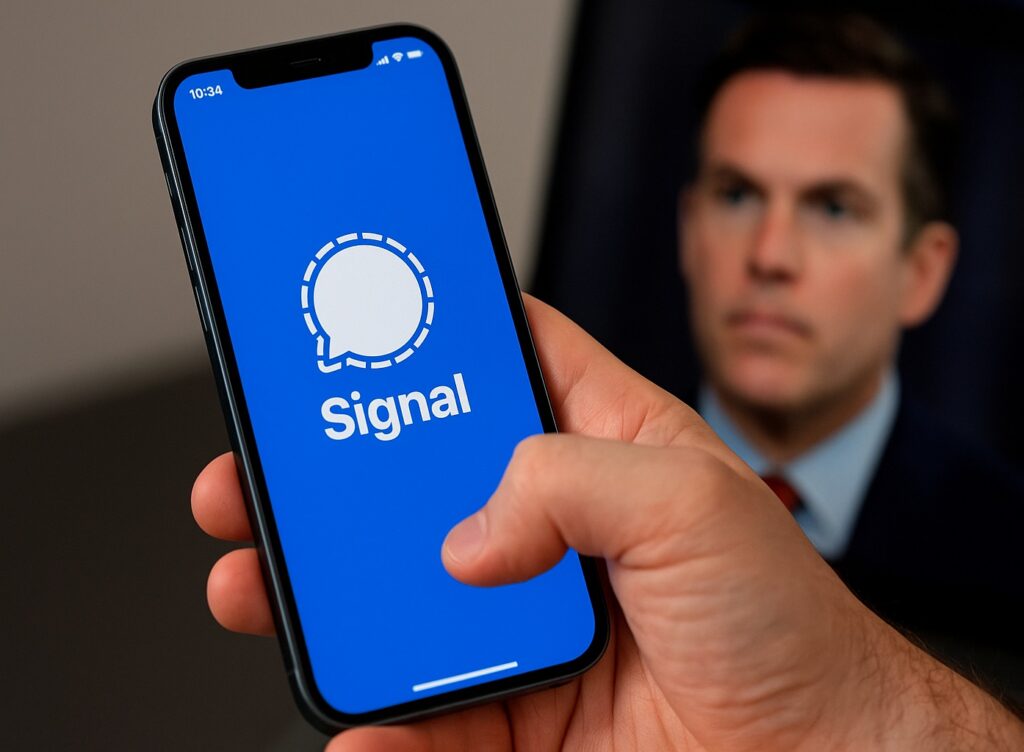
The Pentagon’s internal watchdog has raised serious concerns regarding the use of the encrypted messaging app Signal by a prominent figure, Pete Hegseth, reportedly putting U.S. personnel at potential risk, according to sources familiar with a recent investigation shared with The Associated Press (AP) and PBS.
Related: Pentagon Watchdog Finds Hegseth Risked U.S. Forces’ Safety by Using Signal App
Related: How Belgium Became Russia’s Most Valuable Asset
Related: Watchdog Finds Hegseth Violated Pentagon Protocol in ‘Signalgate’ Affair
Background on the Issue and Investigation
In the last 24 hours, credible sources have disclosed that the Department of Defense’s Office of Inspector General (DoD OIG) has been scrutinizing communications practices involving Signal, an app popular for its end-to-end encryption. The investigation centers on whether the use of Signal by Hegseth, who has known ties to military circles and media, compromised the security of sensitive information or exposed U.S. personnel to operational vulnerabilities.
Signal, widely regarded for its privacy features, has become a favored application for secure messaging worldwide. However, its adoption within government or military contexts is subject to strict regulations and protocols designed to safeguard classified data and personnel safety. The watchdog’s report indicates that Hegseth’s use of the app might have contravened these protocols, raising alarms about potential breaches.
Details of the Report and Alleged Risks
While specific details remain classified, the key concerns highlighted in the watchdog’s findings include:
- Unauthorized Communication Channels: Use of Signal outside approved communication systems may circumvent official monitoring and record-keeping, hindering accountability.
- Exposure of Sensitive Information: Messages sent via Signal could be vulnerable if devices are compromised or if the app’s metadata is accessed by adversaries.
- Operational Security Risks: The possibility that non-secure or non-sanctioned platforms might inadvertently reveal troop movements, strategies, or identities of personnel.
The DoD OIG reportedly emphasized that such risks are not theoretical but have tangible implications for the safety and effectiveness of U.S. military operations.
Contextualizing Signal’s Role in Secure Communications
Signal has grown in popularity globally due to its strong encryption standards and open-source protocols. Many privacy advocates endorse it for protecting individual communications from surveillance. However, within the context of government and military communications, encryption alone does not guarantee security compliance.
U.S. defense and intelligence agencies employ highly specialized communication platforms that integrate stringent security controls, audit trails, and compliance with federal regulations. These platforms are designed to balance encryption with necessary operational oversight. The introduction of third-party apps like Signal, without proper authorization, undermines these controls and may create security blind spots.
Regulatory Framework and Compliance
Federal guidelines and Department of Defense policies strictly regulate the use of communication tools to prevent inadvertent leaks or breaches. These policies mandate:
- Approval and vetting of all software used for official communications.
- Use of encrypted platforms that meet or exceed government security standards.
- Regular audits and monitoring to detect unauthorized information sharing.
Failure to comply with such regulations can result in disciplinary action and potentially jeopardize national security interests.
Potential Implications of the Watchdog’s Findings
The revelation that Hegseth’s use of Signal may have exposed personnel to risks triggers several important implications:
- Operational Security Concerns: If adversaries gained access to communications or metadata, it could lead to compromised missions or endanger the lives of deployed personnel.
- Policy Reassessment: The Pentagon may need to review and reinforce its communication policies, including stricter enforcement and education on approved platforms.
- Accountability and Oversight: This case underscores the importance of robust oversight mechanisms within government entities to detect and mitigate unauthorized technology use.
- Public Trust and Transparency: Given Hegseth’s public profile, the issue may influence public discourse on the balance between privacy, security, and transparency in military communications.
Expert Insights on Secure Communication Practices
Cybersecurity and defense communication experts emphasize the delicate balance required when integrating modern communication apps in sensitive environments. General observations include:
- Encryption Is Necessary but Not Sufficient: While encryption protects message content, metadata leakage and device vulnerabilities remain critical concerns.
- Human Factors Are Crucial: Even the most secure systems can be compromised by user error or unauthorized use of non-sanctioned apps.
- Continuous Training and Awareness: Regular education of personnel regarding approved communication tools and operational security protocols is essential.
- Technology Vetting Processes: Any adoption of new communication platforms should undergo rigorous government vetting to ensure compliance with security standards.
Experts also highlight that high-profile cases such as this demonstrate the challenges governments face in the digital age, where consumer-grade technologies intersect with national security needs.
Consumer Impact and Wider Relevance
Though this investigation is centered on military and government use, it holds broader lessons for consumers and organizations about the use of encrypted messaging apps. Key takeaways include:
- Evaluate Security Needs: Not all encrypted apps meet the security requirements for sensitive or classified communications.
- Understand Risks: Users should be aware that encryption protects content but may not shield against all types of data exposure.
- Follow Organizational Policies: Adhering to prescribed communication tools is critical to maintaining operational security and compliance.
Forward-Looking Analysis and Recommendations
Moving forward, the Pentagon and other government agencies are likely to take several steps to mitigate risks associated with non-compliant communication app usage, including:
- Strengthening Enforcement: Increased monitoring and disciplinary protocols to prevent unauthorized app usage.
- Enhanced Vetting Processes: More rigorous security assessments for any newly adopted communication technologies.
- Awareness Campaigns: Comprehensive training programs emphasizing the critical importance of operational security in communications.
- Technological Innovation: Development or procurement of secure, user-friendly communication platforms that meet both security and usability needs.
Such steps will be crucial in adapting to the evolving threat landscape and ensuring that technological conveniences do not unintentionally compromise national security.
Conclusion
The Pentagon watchdog’s findings regarding Pete Hegseth’s use of the Signal app shine a spotlight on the complexities and vulnerabilities inherent in modern secure communications within defense environments. While Signal is widely respected for its encryption, unauthorized use in sensitive contexts may pose significant risks to U.S. personnel and operations.
This case underscores the necessity of strict adherence to established communication protocols and highlights the ongoing challenges faced by government agencies in balancing privacy, security, and technological advancement. As the Department of Defense reviews and responds to these findings, the broader implications for secure communication practices will remain a critical area of focus for national security and cybersecurity professionals alike.