
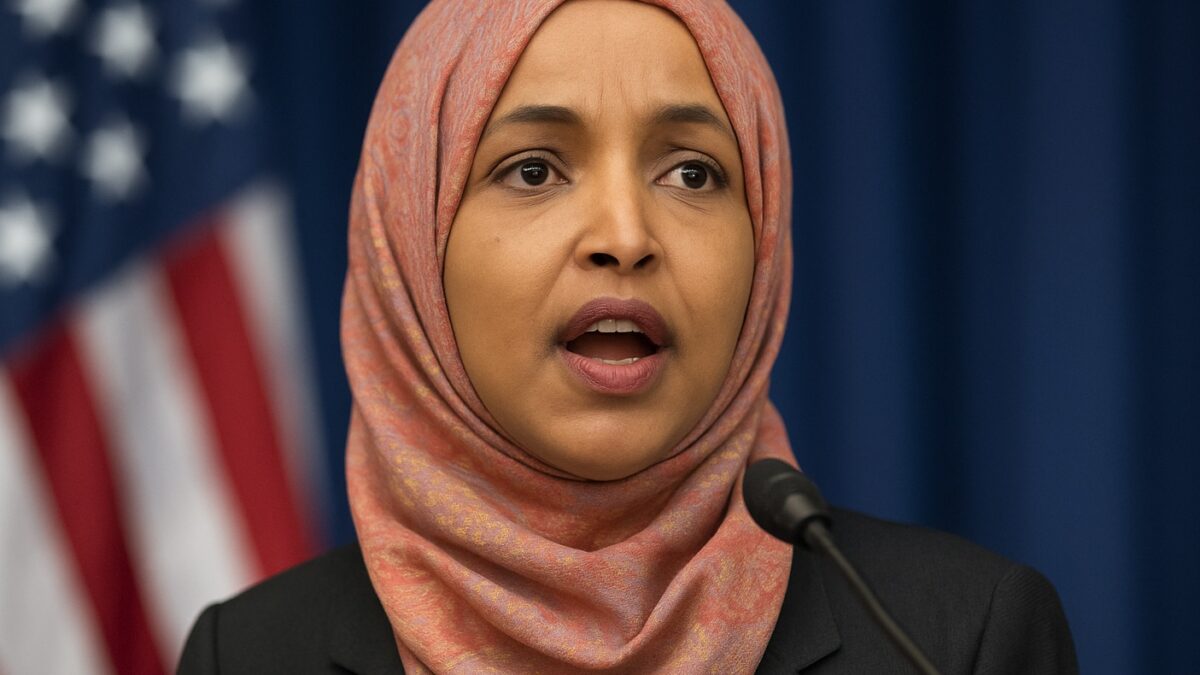
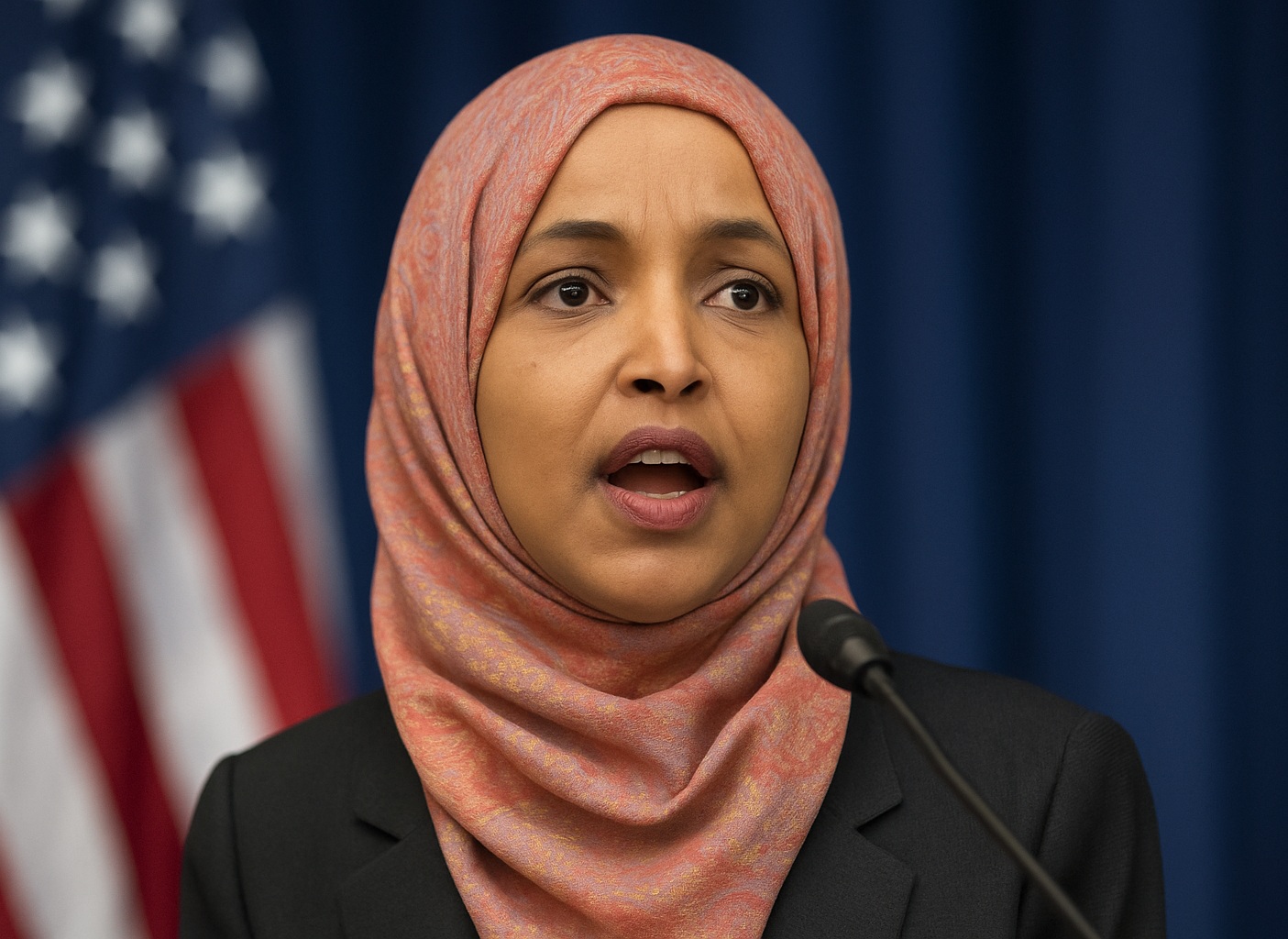
In the latest development within the political discourse surrounding immigration and ethnic communities in the United States, Representative Ilhan Omar has publicly addressed recent attacks by former President Donald Trump targeting Somali immigrants. Omar characterized these attacks as deliberate efforts to deflect public and media scrutiny away from pressing political and legal issues involving Trump himself.
Related: Trump Highlights ‘Very Good’ Meeting Between Witkoff, Kushner, and Putin
Related: In tight Tennessee congressional race, Republican Matt Van Epps pulls out victory
Related: How Belgium Became Russia’s Most Valuable Asset
Background: The Context of the Attacks
Over the past few days, Donald Trump has intensified rhetoric aimed at the Somali immigrant community, a group with a significant presence in Minnesota, which is also the congressional district represented by Ilhan Omar. These remarks have come amid ongoing investigations and political controversies involving the former president. Observers note the timing suggests an attempt to shift public conversation towards immigration and away from the challenges Trump faces.
The Somali-American community in Minnesota is one of the largest in the country and has been a focal point in national discussions about immigration policy, integration, and political representation. Ilhan Omar, herself a Somali immigrant and a prominent figure in American politics, has frequently been at the center of debates involving both her heritage and political stance.
Ilhan Omar’s Response: Deflecting Attention
In a recent statement, Omar emphasized that the attacks on Somali immigrants serve as a distraction from the scrutiny directed at Trump. She argued that by targeting a vulnerable community, Trump is attempting to rally his base and change the narrative away from the ongoing investigations and controversies that currently dominate headlines.
Omar’s remarks highlight a broader pattern in political communication where controversial or marginalized groups are used as scapegoats. This tactic, she suggests, undermines serious public discourse while exacerbating divisions within communities.
Political Implications
The attacks come at a politically sensitive time, as the nation grapples with questions about immigration reform, community integration, and the role of ethnicity in politics. Omar’s district has been a microcosm of these debates, and her defense of the Somali community underscores the importance of immigrant representation in American political life.
Meanwhile, Trump’s rhetoric may be aimed at energizing his political base by appealing to concerns about immigration and national identity, issues that remain deeply polarizing in the United States. The Somali community’s visibility in Minnesota makes it a symbolic target in these broader cultural and political conflicts.
Historical and Social Context of Somali Immigration
The Somali immigrant population in the United States began growing significantly in the early 1990s, largely as a result of civil war and instability in Somalia. Minnesota became a primary resettlement location due to its welcoming policies and existing refugee support services.
Since then, the community has contributed to local economies, culture, and politics, but it has also faced challenges including discrimination, economic hardship, and social integration. The visibility of Somali Americans in politics, with figures like Ilhan Omar, marks a milestone in the community’s evolving role in American society.
- Economic contributions include entrepreneurship and participation in diverse industries.
- Social integration efforts involve community organizations and educational programs.
- Political representation has increased, with Somali Americans holding local and national offices.
Impact on Policy and Public Perception
Political attacks on immigrant communities can have tangible effects on policy debates and public opinion. Negative rhetoric may influence immigration policies, funding for refugee programs, and social services. It also affects the daily lives of immigrants who may face increased discrimination or social exclusion.
Conversely, public figures like Ilhan Omar play a critical role in advocating for inclusive policies and raising awareness about the contributions and challenges of immigrant communities.
Expert Insights on the Political Strategy
Political analysts note that deflection tactics are common when politicians face legal or ethical scrutiny. By shifting focus to divisive issues such as immigration, they can mobilize support from particular voter bases and complicate media coverage.
Experts also point out that targeting immigrant communities often serves to distract from substantive policy discussions and can deepen societal divisions. This approach risks marginalizing groups that are already vulnerable and may undermine social cohesion.
Furthermore, the Somali community’s prominence in Minnesota makes the attacks especially potent in local politics, influencing electoral dynamics and community relations.
Broader Trends in Political Rhetoric
- Use of immigrant communities as political scapegoats has historical precedent in the U.S.
- Media amplification of such rhetoric contributes to polarized public discourse.
- Counter-narratives from affected communities and allies are essential to balance the conversation.
Forward-Looking Analysis: Potential Outcomes
Looking ahead, the ongoing tension between political figures and immigrant communities like the Somali Americans in Minnesota is likely to persist. The strategic use of immigrant-focused rhetoric by politicians facing scrutiny could continue to shape media narratives and public opinion.
However, increased political engagement and representation from immigrant communities may mitigate some negative impacts. Advocacy for immigrant rights and inclusive policies remains vital.
Key areas to watch include:
- Legislative responses to immigration and integration challenges.
- Community initiatives aimed at fostering dialogue and understanding.
- The role of media in framing immigration-related political discourse.
Conclusion
Ilhan Omar’s assertion that Donald Trump’s attacks on Somali immigrants are intended to deflect attention from scrutiny underscores the complex interplay between political strategy and social issues. The Somali community in Minnesota, emblematic of broader immigrant experiences, remains at the center of national debates on immigration, identity, and representation.
As the political landscape evolves, careful attention to the implications of such rhetoric is essential for policymakers, media, and the public. Supporting inclusive dialogue and resisting divisive tactics will be crucial in fostering unity and addressing the challenges faced by immigrant communities.
- Los Gatos ‘Party Mom’ Who Supplied Teens With Alcohol and Pressured Them Faces Lengthy Jail Sentence

- Anti-AIPAC Group Faces Setback as Rep. Valerie Foushee Wins Primary Battle

- Texas Judge Declines to Close Camp Mystic but Bars Construction on Flood-Damaged Campus

- Netflix, After Walking Away From Warner Bros. Deal, Will Move Forward With $2.8 Billion Cash Reserve, CFO Says

- Democratic Rivals in Close Senate Primary Amid Texas Polling Confusion