Overview of the New Policy Change
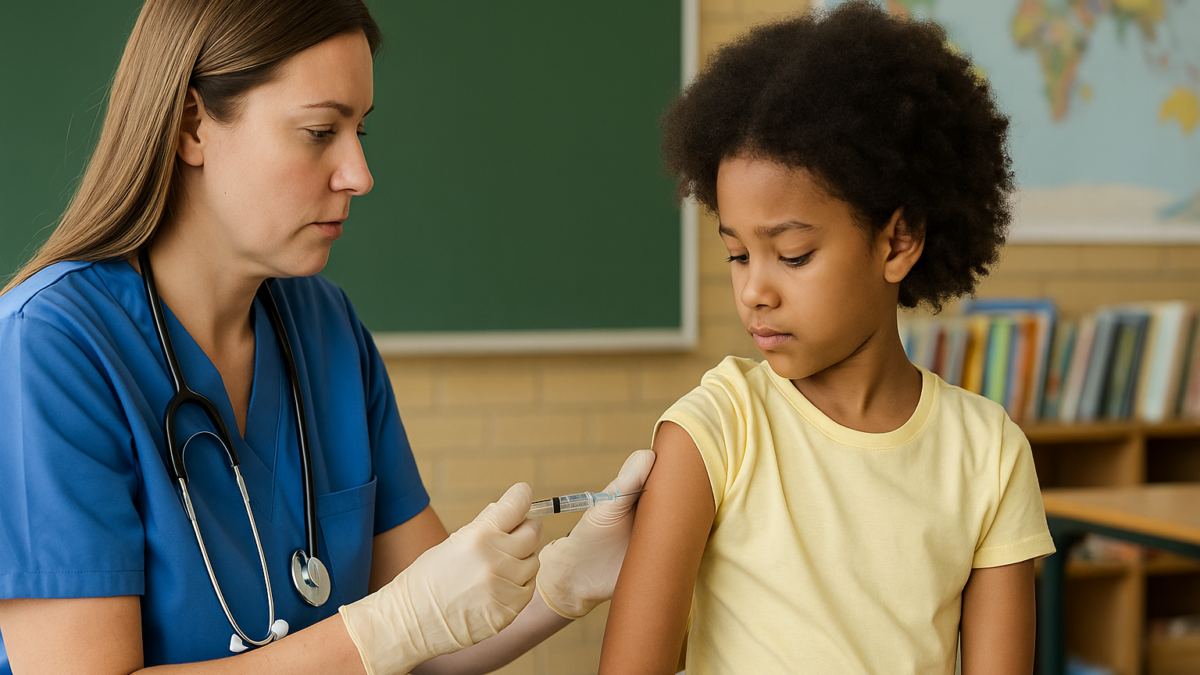
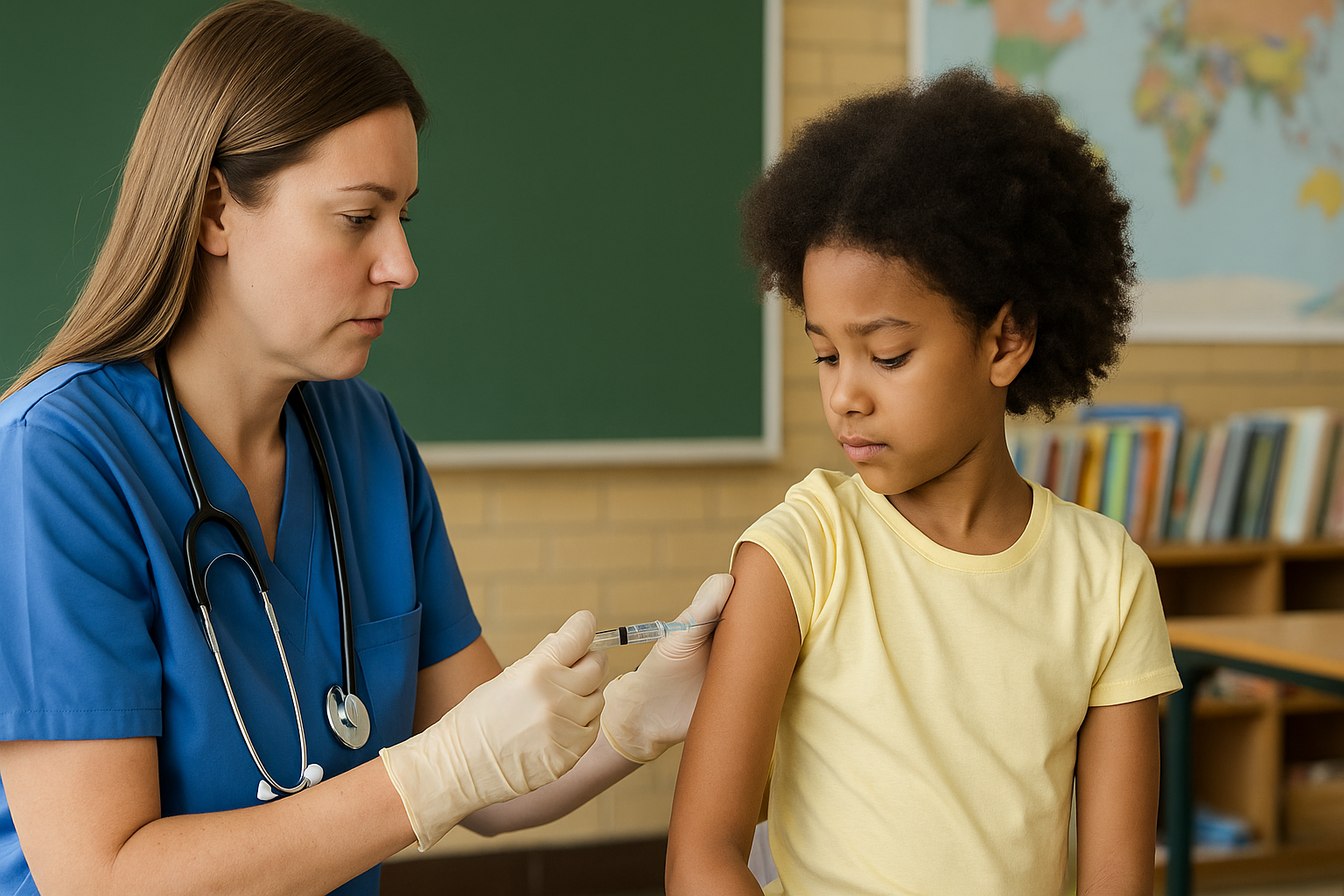
In a significant public health move, West Virginia has reinstated its policy banning religious exemptions for school vaccine requirements. The decision, announced within the last 24 hours, prohibits parents from claiming religious beliefs as a reason to opt out of mandatory vaccinations for their children attending public and private schools across the state.
Related: New York Declares Flu Prevalent; Mask Mandate Enacted for Certain Workers
Related: In tight Tennessee congressional race, Republican Matt Van Epps pulls out victory
Related: How Belgium Became Russia’s Most Valuable Asset
This latest development reflects ongoing efforts by state officials to increase immunization rates among school-aged children and reduce preventable disease outbreaks. The policy aligns West Virginia with a growing number of states prioritizing public health over non-medical exemptions.
Background and Historical Context
Vaccine requirements for school attendance have long been a cornerstone of public health policy in the United States. Traditionally, states have allowed exemptions based on medical, religious, or philosophical grounds. However, in recent years, the rise of vaccine hesitancy and outbreaks of diseases like measles and whooping cough have prompted many states to reconsider the breadth of exemptions.
West Virginia’s decision to ban religious exemptions is not unprecedented but represents a renewed commitment. Previously, the state had limited exemptions primarily to medical reasons. This policy aims to close any loopholes that could allow parents to bypass vaccination mandates on religious grounds.
Details of the Ban on Religious Exemptions
The policy change mandates that all students enrolled in schools must be vaccinated according to the state’s immunization schedule unless they have a valid medical exemption certified by a licensed healthcare provider.
- Religious exemptions will no longer be accepted for enrollment in public or private K-12 schools.
- Medical exemptions remain available but are subject to verification to prevent misuse.
- School administrators are instructed to enforce compliance rigorously and report vaccination status to state health authorities.
- Parents who fail to comply may face consequences including exclusion of unvaccinated children from school attendance.
Public Health Implications
Experts emphasize that high vaccination coverage in schools is critical for maintaining herd immunity and preventing disease outbreaks. By eliminating religious exemptions, West Virginia aims to close gaps in immunization coverage that have led to increased vulnerability to communicable diseases.
Vaccines protect not only individual children but also those who cannot be vaccinated due to medical conditions, thus safeguarding the broader community. This policy is expected to bolster overall vaccination rates, thereby reducing the risk of outbreaks and associated public health costs.
Reactions from Stakeholders
The policy has drawn mixed reactions from various stakeholders across the state:
- Public health officials have largely welcomed the ban, citing the necessity of strong vaccination coverage to control infectious diseases.
- Parents and advocacy groups opposed to mandatory vaccinations on religious grounds have expressed concerns about personal freedoms and parental rights.
- Educational institutions are preparing to implement new verification processes and communicate these changes to families effectively.
State lawmakers have emphasized that the policy was crafted with public safety as the paramount concern and that it reflects scientific consensus on vaccine efficacy and safety.
Comparative Analysis: How Other States Handle Religious Exemptions
West Virginia’s ban places it among a minority of states that do not permit religious exemptions for school vaccination requirements. Most states still allow these exemptions, although some have tightened requirements or eliminated philosophical exemptions.
States such as California, Maine, and New York have enacted similar bans following outbreaks of vaccine-preventable diseases. These efforts have generally led to measurable increases in immunization rates and decreased incidence of outbreaks.
Conversely, states allowing broad religious or philosophical exemptions have seen fluctuating vaccination rates and periodic disease outbreaks, underscoring the public health risks associated with broad exemption policies.
Expert Insights
Public health experts note that eliminating non-medical exemptions can significantly improve vaccination coverage and community health resilience. They emphasize:
- Vaccines are rigorously tested for safety and effectiveness and represent one of the most impactful public health interventions.
- Religious beliefs, while deeply respected, do not scientifically justify exemption from vaccination, especially when public health is at risk.
- Clear, consistent policies on vaccine requirements reduce confusion, ensure equitable health protections, and facilitate school compliance.
- Ongoing education and communication with parents remain critical to address vaccine hesitancy and misinformation.
Experts caution that while legal and policy measures are important, fostering trust in vaccines through transparent communication and community engagement is equally vital for long-term success.
Consumer Impact and Practical Considerations
For families in West Virginia, the reinstatement of this policy means:
- Parents must ensure their children’s vaccinations are up to date according to state schedules before school enrollment.
- Those relying on religious exemptions will need to seek medical exemptions if applicable or comply with vaccination mandates.
- Schools will require documentation of immunizations and may deny enrollment to non-compliant students, affecting attendance and participation.
- Healthcare providers may see increased demand for vaccination appointments and medical exemption consultations.
Families are encouraged to consult healthcare professionals to understand vaccine requirements and address any concerns about immunizations.
Forward-Looking Analysis
West Virginia’s policy change signals a broader trend toward stricter vaccine mandates at the state level. As public health agencies continue to confront vaccine-preventable diseases and emerging infectious threats, such policies are expected to become more common.
Ongoing monitoring will be required to assess the impact of the ban on vaccination rates and public health outcomes. Additionally, legal challenges or legislative debates may arise as stakeholders with differing views engage in dialogue about the balance between individual rights and collective health.
Technological advancements in vaccine tracking and school health data systems may facilitate smoother implementation and compliance verification in the future.
Conclusion
West Virginia’s decision to again ban religious exemptions for school vaccine requirements highlights the state’s commitment to safeguarding public health and ensuring high immunization rates among children. This policy aligns with scientific recommendations and reflects growing recognition of the risks posed by vaccine-preventable diseases.
While the policy may prompt debate regarding personal freedoms, it underscores the priority of protecting communities, particularly vulnerable populations, through comprehensive vaccination coverage. As the state moves forward, collaboration between public health officials, educators, healthcare providers, and families will be essential to successfully implement this mandate and promote a healthier future for all West Virginians.
- Los Gatos ‘Party Mom’ Who Supplied Teens With Alcohol and Pressured Them Faces Lengthy Jail Sentence

- Anti-AIPAC Group Faces Setback as Rep. Valerie Foushee Wins Primary Battle

- Texas Judge Declines to Close Camp Mystic but Bars Construction on Flood-Damaged Campus

- Netflix, After Walking Away From Warner Bros. Deal, Will Move Forward With $2.8 Billion Cash Reserve, CFO Says

- Democratic Rivals in Close Senate Primary Amid Texas Polling Confusion