
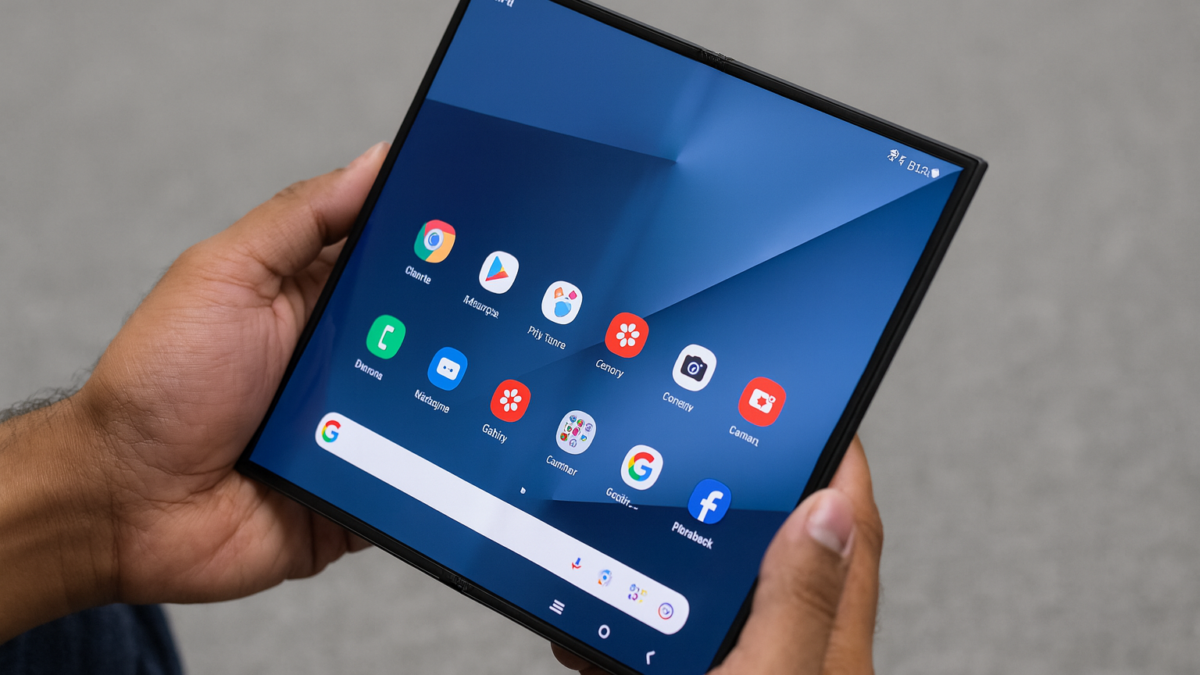
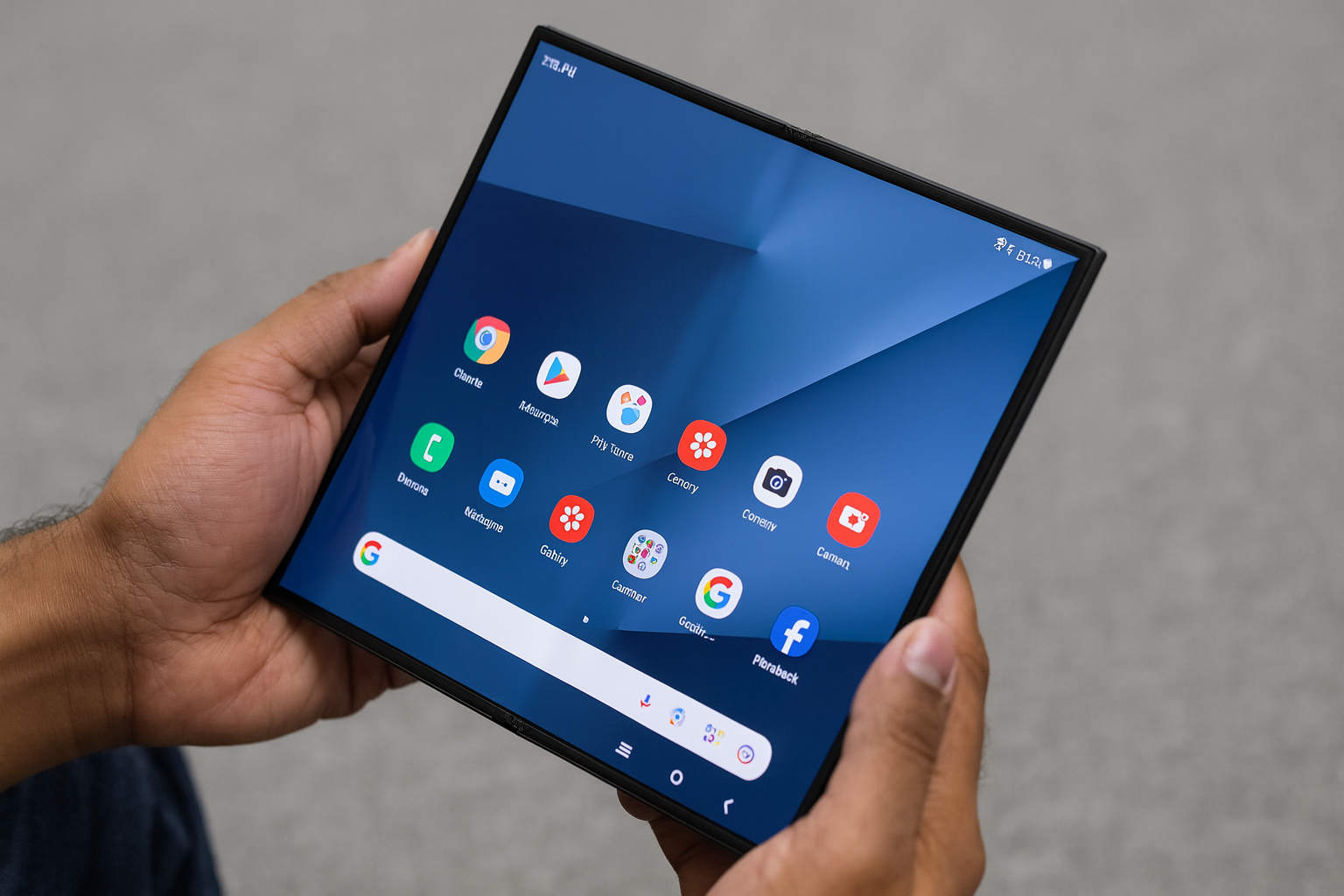
Samsung’s upcoming Galaxy Z TriFold, the company’s first triple-folding smartphone, is generating significant buzz following new pricing insights and an early hands-on preview. With a rumored price tag near $2,800 and a design that pushes the boundaries of foldable technology, the TriFold promises a unique user experience but also raises questions about display durability and overall value.
Related: AI Finds Its Way Into Apple’s Top Apps of the Year
Related: The Switch 2 Remains Available at Multiple Retailers After Cyber Monday
Related: Samsung Reveals Galaxy Z TriFold with 10-Inch Foldable Screen, Astronomical Price
Samsung’s Evolution in Foldable Devices
Since the launch of its first foldable device, Samsung has steadily advanced the foldable smartphone market through iterative design improvements and software enhancements. The Galaxy Z Fold and Flip series have set benchmarks, combining premium hardware with flexible displays. The Galaxy Z TriFold represents the next step in this evolution, featuring a form factor that folds twice to create a compact yet expansive screen experience.
This triple-fold design aims to blend smartphone portability with tablet-level screen real estate, targeting users who want a device versatile enough for multitasking, media consumption, and productivity.
Pricing Insights: Around $2,800
Recent reports suggest the Galaxy Z TriFold will be priced around $2,800, placing it at the high end of the current foldable smartphone market. This pricing reflects the complexity of the triple-fold mechanism, premium materials, and the inclusion of advanced features such as Samsung DeX and multiple displays.
For context, Samsung’s current Galaxy Z Fold models typically start at prices between $1,800 and $2,000. The TriFold’s price premium highlights the added manufacturing challenges, research and development costs, and positioning as a flagship device for early adopters and tech enthusiasts.
Such a price point also indicates Samsung’s confidence in the device’s appeal to a niche but lucrative market segment willing to pay for cutting-edge innovation.
First Look: Display Creases and Build Quality
Early hands-on videos and previews of the Galaxy Z TriFold reveal some expected and unexpected characteristics of the device’s display and build. A notable observation is the presence of visible creases along the folding lines, a common concern in foldable smartphones but potentially more pronounced due to the device’s triple-fold design.
While fold lines are typical in current foldable phones, the TriFold’s additional hinge increases the number of folding points, which could affect long-term durability and visual aesthetics. Industry insiders note that although the creases are noticeable, they do not appear to interfere significantly with touch responsiveness or display functionality.
The device’s construction uses a combination of ultra-thin glass and flexible polymer layers to balance rigidity with foldability. Samsung’s engineering efforts aim to mitigate crease prominence through material innovations and hinge design improvements.
Samsung DeX Support Enhances Productivity
The Galaxy Z TriFold supports Samsung DeX, a feature that allows users to connect their phone to an external display or use a desktop-like interface directly on the device. DeX enhances productivity by enabling multitasking with multiple resizable windows, keyboard and mouse input, and compatibility with desktop apps.
On the TriFold, DeX is expected to leverage the expanded screen space to deliver a more immersive and practical desktop experience without needing an external monitor. This integration positions the TriFold as not just a smartphone but a potential laptop replacement for professionals and power users.
Experts view this as a strategic move by Samsung to capitalize on the growing demand for mobile productivity tools, especially as remote and hybrid work environments become more prevalent.
Design and Display Specifications
The Galaxy Z TriFold reportedly features three flexible AMOLED panels connected by two hinges, allowing it to fold twice. When fully unfolded, the device offers a large tablet-sized display, ideal for gaming, streaming, and multitasking.
- Main Display: Approximately 8 inches when unfolded, with high resolution and vivid color reproduction.
- Cover Display: A secondary external screen that allows access to notifications, calls, and basic tasks when the device is folded.
- Hinge Mechanism: Engineered for smooth folding and durability, though the additional hinge introduces complexity and potential wear points.
Despite the innovative design, some reviewers note the device’s increased thickness and weight compared to dual-fold models, which could affect pocketability and one-handed use.
Consumer Impact and Market Implications
The Galaxy Z TriFold’s introduction could influence consumer expectations and competitive dynamics in the foldable smartphone segment. Its pricing and form factor target a premium niche, potentially expanding the market for foldable devices beyond early adopters.
However, the visible creases and bulkier form may temper enthusiasm among mainstream buyers who prioritize sleekness and durability. Samsung’s ability to address these concerns through software optimization and warranty support will be critical to the device’s commercial success.
Additionally, the TriFold’s integration with Samsung’s ecosystem, including DeX and One UI enhancements, may encourage users to invest in complementary devices and services, strengthening brand loyalty.
Expert Insights
Industry analysts highlight the Galaxy Z TriFold as a bold experiment in foldable design that pushes the boundaries of current smartphone technology. They note the following:
- Innovation vs. Practicality: While the triple-fold design offers unprecedented screen size in a pocketable format, it also raises concerns about durability and user comfort due to increased thickness and creases.
- Price Justification: The $2,800 price point reflects the high cost of advanced engineering and materials but may limit the device’s market to enthusiasts and professionals willing to invest in premium tech.
- Software Integration: Samsung DeX and multitasking capabilities are key differentiators that may drive adoption among business users and content creators.
- Future Trends: The TriFold could set the stage for further innovations in foldable tech, encouraging competitors to explore multi-fold mechanisms and hybrid form factors.
Experts also advise consumers to consider use cases carefully before investing, as foldable phones remain a developing category with unique benefits and trade-offs.
Conclusion
The Samsung Galaxy Z TriFold emerges as a pioneering device in the foldable smartphone landscape, combining a triple-fold design with advanced features like Samsung DeX. While the rumored $2,800 price positions it at the premium end, early impressions highlight trade-offs such as visible display creases and increased device bulk.
For consumers seeking cutting-edge innovation and enhanced productivity on the go, the TriFold offers compelling advantages. However, its success will depend on how Samsung addresses durability concerns and communicates the value proposition to a discerning audience.
As foldable technology continues to mature, the Galaxy Z TriFold represents both a milestone and a stepping stone towards more versatile and capable mobile devices in the near future.
- Los Gatos ‘Party Mom’ Who Supplied Teens With Alcohol and Pressured Them Faces Lengthy Jail Sentence

- Anti-AIPAC Group Faces Setback as Rep. Valerie Foushee Wins Primary Battle

- Texas Judge Declines to Close Camp Mystic but Bars Construction on Flood-Damaged Campus

- Netflix, After Walking Away From Warner Bros. Deal, Will Move Forward With $2.8 Billion Cash Reserve, CFO Says

- Democratic Rivals in Close Senate Primary Amid Texas Polling Confusion