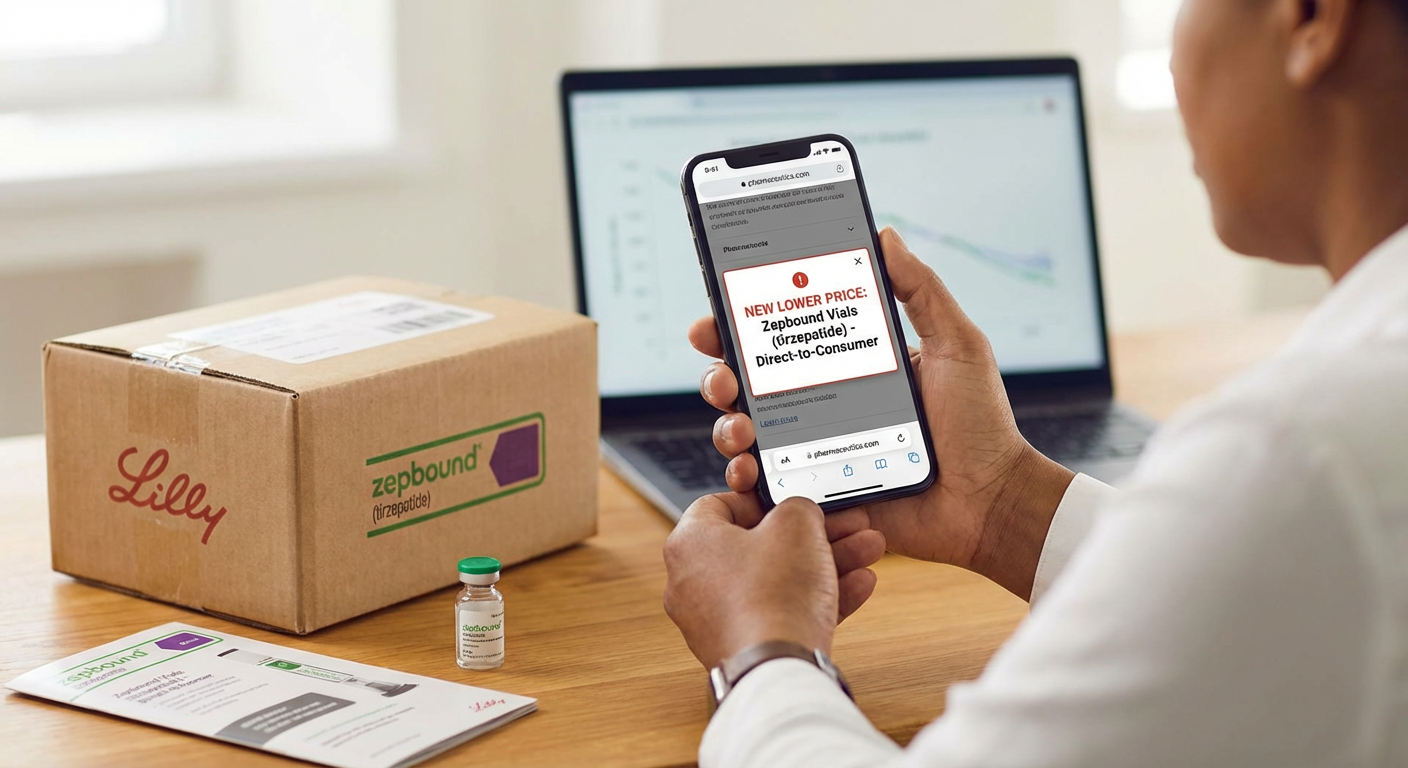
Eli Lilly Reduces Cash Prices of Zepbound Weight Loss Drug Vials on Direct-to-Consumer Platform
In a significant development within the pharmaceutical and weight management sectors, Eli Lilly has announced a reduction in the cash prices of its weight loss drug, Zepbound, when purchased directly through the company’s consumer-facing website. This strategic pricing adjustment marks a notable shift aimed at improving patient access and affordability amid rising demand for effective obesity treatments.
Related: Just Like He Never Left: Joe Burrow Feasts On Ravens
Background on Zepbound and Its Market Position
Zepbound is a GLP-1 receptor agonist designed to assist with weight loss by regulating appetite and metabolic processes. Since its introduction, it has garnered considerable attention for its efficacy in clinical trials and real-world use. Obesity remains a major public health challenge, with millions seeking safe and effective pharmacological aids alongside lifestyle interventions.
Historically, the high cost of weight loss drugs has been a barrier for many patients, particularly those without comprehensive insurance coverage. Prior to this pricing adjustment, the cash price for Zepbound vials was often cited as prohibitive, limiting broad-based access.
Details of the Price Reduction
Effective immediately, Eli Lilly’s direct-to-consumer platform has lowered the cash prices for Zepbound vials. While exact figures vary depending on dosage and quantity, the price cuts reflect a company-wide effort to enhance affordability. This move aligns with broader industry trends where pharmaceutical manufacturers are responding to public and regulatory pressure to make medications more accessible.
This pricing adjustment is exclusive to purchases made through the official Eli Lilly site, bypassing traditional pharmacies and insurance intermediaries. By directly engaging with consumers, the company can streamline distribution and offer reduced prices.
Impact on Consumers
- Improved Affordability: Lower cash prices reduce the upfront financial burden for uninsured or underinsured patients.
- Convenience: Direct purchasing may simplify the acquisition process, making it easier for consumers to start or continue treatment.
- Access Equity: Patients in regions with limited pharmacy availability or insurance coverage gaps may benefit from enhanced access.
Despite these advantages, experts advise consumers to consult healthcare providers before initiating or modifying treatment regimens to ensure proper medical guidance and monitoring.
Industry Context and Competitive Landscape
The weight loss drug market has become increasingly competitive, with several pharmaceutical companies developing GLP-1 receptor agonists and other innovative therapies. Pricing strategies have emerged as a critical factor influencing market share and patient accessibility.
Eli Lilly’s decision to reduce prices on its direct sales channel could be interpreted as a response to competitive pressures and ongoing debates around drug affordability in the United States. It may also reflect the company’s recognition of the growing demand for obesity treatments and the necessity of adapting to shifting healthcare dynamics.
Regulatory and Public Health Considerations
Weight management drugs have attracted scrutiny from regulators and consumer advocacy groups concerned about pricing transparency and equitable access. Eli Lilly’s pricing move aligns with calls for pharmaceutical companies to demonstrate social responsibility and support public health goals.
Moreover, the reduction in cash prices through a direct-to-consumer model may serve as a case study for future pricing innovations within the pharmaceutical industry, potentially influencing policy discussions.
Expert Insights
Industry analysts and healthcare economists generally view Eli Lilly’s price cut as a pragmatic step toward balancing profitability with patient accessibility. Experts highlight several key points:
- Market Adaptation: Pharmaceutical companies must innovate not only in drug development but also in pricing and distribution to remain competitive and socially responsible.
- Patient-Centric Approaches: Direct-to-consumer sales coupled with transparent pricing can empower consumers but require robust support systems to ensure safe and informed use.
- Long-Term Implications: If this pricing model proves successful, it could catalyze broader shifts in how specialty medications are marketed and sold.
Experts caution, however, that pricing alone is not a panacea. Comprehensive obesity management involves multidisciplinary care, including diet, exercise, behavioral support, and medical supervision.
Consumer Considerations and Next Steps
For prospective Zepbound users, the price reduction may offer an opportunity to access treatment that was previously cost-prohibitive. Consumers are encouraged to:
- Discuss treatment options with healthcare professionals to evaluate suitability and safety.
- Understand the full cost implications, including potential insurance coverage or assistance programs.
- Monitor for side effects and maintain regular follow-up appointments.
Additionally, consumers should verify purchases are made through authorized channels to avoid counterfeit products and ensure quality.
Looking Ahead: The Future of Weight Loss Drug Accessibility
Eli Lilly’s pricing initiative may signal a broader evolution in pharmaceutical marketing and patient engagement. As obesity rates persist and demand for effective treatments grows, companies face mounting pressure to balance innovation, affordability, and accessibility.
Future developments may include:
- Expansion of direct-to-consumer sales models for other specialty medications.
- Greater collaboration between pharmaceutical companies, insurers, and healthcare providers to optimize patient outcomes.
- Regulatory encouragement of transparent pricing and patient assistance programs.
- Integration of digital health tools to support medication adherence and lifestyle changes.
These trends underscore the dynamic nature of the pharmaceutical landscape in 2024 and beyond.
Conclusion
Eli Lilly’s decision to cut cash prices on Zepbound weight loss drug vials via its direct-to-consumer platform represents a pivotal move in enhancing patient access and addressing affordability concerns. This pricing adjustment reflects broader industry trends emphasizing patient-centric strategies and responsiveness to public health needs.
While this development offers tangible benefits to consumers, it also highlights the complexities inherent in obesity treatment and pharmaceutical pricing. Continued collaboration among stakeholders—including manufacturers, healthcare providers, regulators, and patients—will be essential to ensure that effective weight loss therapies are accessible, safe, and sustainable.
As the healthcare environment evolves, Eli Lilly’s approach may serve as a benchmark for innovation in drug pricing and distribution, shaping the future of pharmaceutical accessibility in the United States and globally.
- Los Gatos ‘Party Mom’ Who Supplied Teens With Alcohol and Pressured Them Faces Lengthy Jail Sentence

- Anti-AIPAC Group Faces Setback as Rep. Valerie Foushee Wins Primary Battle

- Texas Judge Declines to Close Camp Mystic but Bars Construction on Flood-Damaged Campus

- Netflix, After Walking Away From Warner Bros. Deal, Will Move Forward With $2.8 Billion Cash Reserve, CFO Says

- Democratic Rivals in Close Senate Primary Amid Texas Polling Confusion